KNDS Faces a Race Against the Calendar as Auditor and Government Disputes Threaten Summer IPO
11.06.2026 - 14:06:11 | boerse-global.de
The German-French defence group KNDS has never been busier. Its order backlog stands at €33.1bn, revenues climbed 16% last year to €4.4bn, and the operating margin hit a punchy 15%. Yet the company’s long-awaited flotation on the Frankfurt and Paris bourses is stuck in a holding pattern, caught between an unresolved audit and a political tug-of-war over how much of the equity Berlin should own.
On the operational front, the news keeps getting better. Switzerland’s armasuisse signed a contract on 8 June 2026 for 32 DONAR 10x10 self-propelled howitzers. GDELS-Mowag will build the Piranha IV carrier as a subcontractor, with deliveries to the Swiss Army scheduled to start in 2031. The deal marks the second time the automated artillery module has been mounted on a vehicle other than the Boxer, underlining KNDS’s platform strategy. The system’s ability to fire on the move makes it a difficult target for counter-battery fire.
That Swiss follow-on order adds to an already bulging pipeline. The UK has ordered 72 remote-controlled RCH 155 howitzers for nearly £1bn under the Trinity House agreement, a contract that secures at least 500 British jobs. In the United States, American Rheinmetall – a joint venture with KNDS – has proposed the RCH 155 for the Army’s Mobile Tactical Cannon programme. No final selection has been made, but the proposal places KNDS directly in Pentagon procurement discussions. Canada, too, is being courted for modernisation programmes.
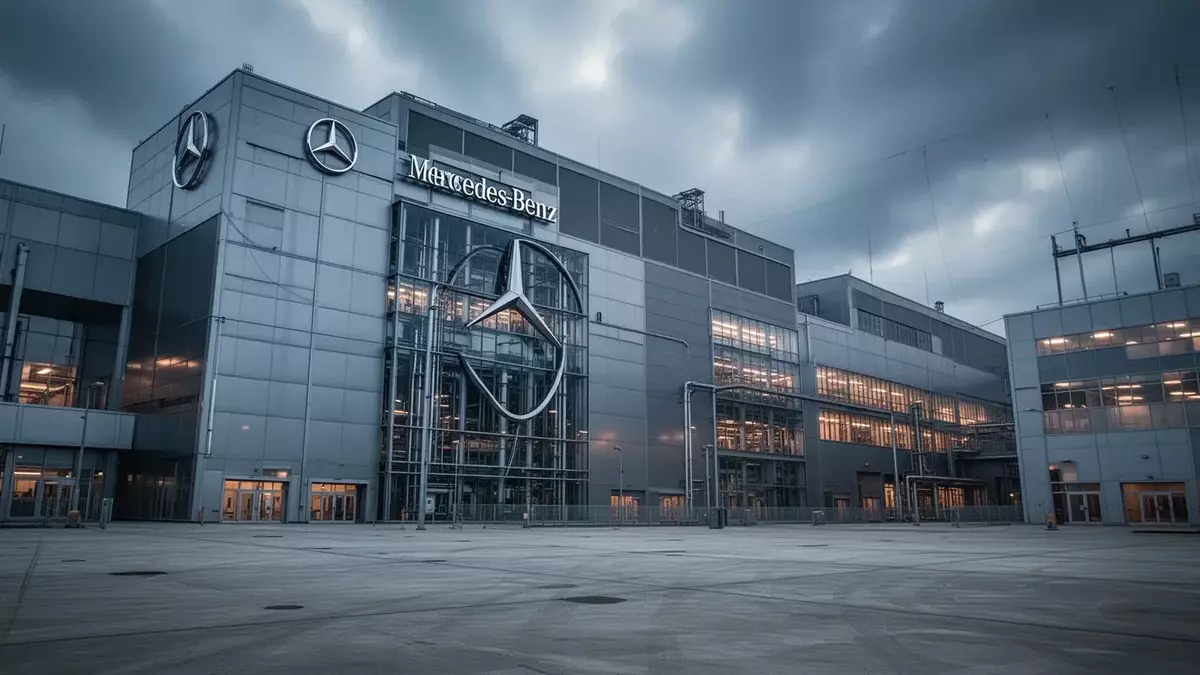
The financial backbone supporting all this activity is robust. Revenue hit €4.4bn, operating profit reached €661m, and the order intake surged to €13.5bn. The backlog now stands at €33.1bn. CEO Jean-Paul Alary is simultaneously expanding production capacity: KNDS is in talks with Mercedes-Benz about taking over its Ludwigsfelde plant near Berlin, where it would initially share a production line for Sprinter vans alongside Boxer armoured vehicles, with a longer-term plan to acquire the entire site. Similar discussions with Volkswagen over the Osnabrück factory have been described by VW chief Oliver Blume as “promising”. Up to 2,000 employees could switch employers.
Should investors sell immediately? Or is it worth buying KNDS?
Yet beneath this industrial momentum, two serious obstacles are stalling the planned initial public offering. The first is a dispute over valuation and state ownership. The German government, via the state development bank KfW, wants to take a direct stake of roughly 40% – though internally, the defence ministry favours 40%, while the economy ministry and chancellery lean towards 30%. France would hold a similar share, leaving just 20% for free float. That thin slice concerns institutional investors, who worry it will depress liquidity and force a valuation discount.
The price tag itself is contentious. The IPO banks – Bank of America, Deutsche Bank, Goldman Sachs and Société Générale – have already trimmed their valuation range from an initial 20–25bn to 18–20bn. But a Handelsblatt report indicates that Berlin’s internal revaluation is far lower, at just €15bn. The German shareholders are reportedly considering simply blocking the state’s entry at those terms, while the government demands veto rights that the owning families and KNDS management reject.
The second hurdle is purely legal. PricewaterhouseCoopers refuses to sign off on KNDS’s 2025 annual accounts until the law firm Freshfields completes an internal investigation into a 2013 contract with the Qatari armed forces. That deal – covering howitzers, Leopard tanks, training and support – was worth €1.89bn. Allegations of multi-million-euro commission payments prompted KNDS to launch the probe in late April. So far, no evidence of criminal wrongdoing has emerged, but PwC insists on waiting for the final report. Without an audited financial statement, there can be no approved securities prospectus, and without that, no IPO.
KNDS at a turning point? This analysis reveals what investors need to know now.
The preferred launch window is June or July 2026, with September as a fallback. But the clock is ticking. Freshfields must deliver its conclusions, PwC must then issue its sign-off, and the German government must reach a political compromise on both its stake size and the valuation – all before the summer holidays. Every month of delay raises the risk that the window closes entirely, leaving KNDS’s blockbuster public debut stranded on the runway.
Ad
KNDS Stock: New Analysis - 11 June
Fresh KNDS information released. What's the impact for investors? Our latest independent report examines recent figures and market trends.