Lady Gaga new era: from Chromatica Ball to next chapter
13.06.2026 - 13:41:25 | ad-hoc-news.de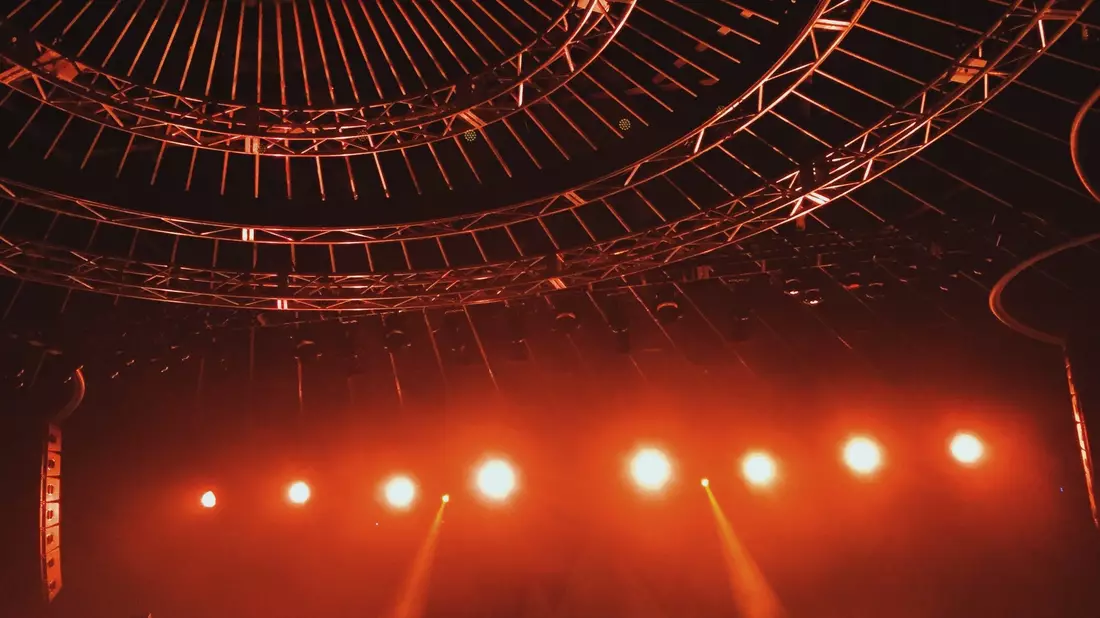
Spotlights cut through the dark as Lady Gaga rises from beneath the stage, sequined armor catching every flash of light, a stadium roaring over the first synth stabs of Chromatica. In that collision of pop hooks, rock attitude, and theater-scale storytelling, Lady Gaga reminds fans why her name still defines the modern pop spectacle.
From club stages to stadium operas
Lady Gaga came out of New York's downtown club scene with a blend of pop songwriting discipline and performance-art provocation that immediately set her apart from radio peers rooted in conventional star narratives. Across a relatively short span of time, she moved from Lower East Side gigs and songwriting work for other artists into full-scale global stardom built on a clear understanding of hooks, persona, and image control.
Her 2008 debut album The Fame established the basic palette: synth-heavy dance-pop, sharp melodic writing, and a visual universe that treated celebrity itself as both subject and spectacle. Singles like Just Dance and Poker Face framed Gaga as a club-pop figure, but from the beginning, her vocals and storytelling hinted at deeper roots in classic rock, piano balladry, and theater. As mainstream pop culture moved further into EDM and electro-pop, Gaga used that framework as a springboard rather than a limit.
The follow-up project The Fame Monster, initially a bonus disc and quickly recognized as a standalone statement, expanded her range. Tracks such as Bad Romance, Telephone, and Alejandro stitched larger cinematic ambitions into club structures, supported by videos that treated each song as a short film rather than a simple promotional clip. That early period already showed the core of Gaga's appeal to rock and pop audiences alike: a willingness to turn chart-focused material into multi-layered, concept-driven work without losing immediacy.
From there, she built a reputation not only as a hitmaker but as an artist willing to pivot. With each new album cycle she tested different balances of pop, rock, jazz, and singer-songwriter traditions, showing that the spectacle associated with Gaga sits on top of a foundation of craft. That duality — hook-driven pop on the surface, art-school rigor underneath — continues to define her position in the broader rock and pop landscape.
Milestones and eras that define Lady Gaga
Across more than a decade of major-label releases, certain Gaga records have come to stand as signposts in her evolution. Each era refines or repositions her approach to genre, image, and narrative, giving listeners multiple entry points into her catalog.
- The Fame (2008) and The Fame Monster (2009) consolidated her as a global pop force built on danceable hooks and avant-pop visuals.
- Born This Way (2011) pushed into rock, metal, and gospel textures while foregrounding identity, self-acceptance, and LGBTQ+ solidarity.
- Joanne (2016) stripped back the production toward rock and Americana influences, highlighting Gaga's songwriting and guitar work.
- Chromatica (2020) returned to high-intensity dance-pop while processing themes of trauma, healing, and chosen family.
By the time Born This Way arrived, Gaga had already proven herself in chart terms. That album shifted the conversation toward her as a generational voice. Its title track became an anthem at Pride events and pop radio alike, tying together gospel-inflected choruses, rock guitar touches, and a message of radical acceptance. Other songs from the album, such as Judas and Edge of Glory, balanced bombastic production with melodic structures that felt closer to classic rock than to disposable club trends.
With Joanne, she leaned into a more stripped-down sound, foregrounding live instrumentation and drawing on rock, country, and folk traditions. That era emphasized her skills as a vocalist and guitarist, making space for rawer performances that contrasted with the hyper-stylized pop of her earlier records. In doing so, she underscored that the theatrics of the Gaga persona rest on a musician who can carry a song alone with a piano or a guitar when needed.
Chromatica represented another pivot. Released during a moment when global audiences were grappling with isolation and uncertainty, the record turned dance-pop into a vehicle for exploring mental health, resilience, and the search for community. Driving beats and high-tempo arrangements framed lyrics about trauma and healing, fusing catharsis with club energy. For many listeners, this era tied together the disparate threads of Gaga's earlier work: her theatrical dance-pop, rock-leaning emotional intensity, and a recurring focus on chosen family.
Roots in New York, rise on global charts
Long before stadium runs and award stages, Gaga developed her craft in New York City, performing in clubs and small venues where theatrics and songwriting needed to win over audiences quickly. That early environment rewarded risk-taking and direct engagement, traits that still appear in her larger-scale work, whether through spontaneous monologues in the middle of a ballad or the willingness to rework arrangements live.
Her early industry years included writing for other pop artists and building a network within the major-label system. That background meant that when she broke through with her own material, she already understood the mechanics of pop radio, club play, and visual branding. It also gave her a vantage point from which to experiment with how far a mainstream pop act could push fashion, choreography, and narrative in an era dominated by music video platforms and social media.
As her singles climbed charts in the United States and abroad, Gaga's live performances evolved in scale but remained grounded in a certain New York attitude: a mix of confrontational energy, camp, and sincerity. On television appearances, award-show stages, and festival slots, she routinely treated each performance as a unique event rather than a simple promotional repetition of the studio version.
Those instincts culminated in high-visibility moments where rock and pop worlds intersected. A collaboration-heavy Super Bowl halftime show, high-profile award-show tributes to classic rock and pop icons, and stripped-back television performances that foregrounded her piano playing all reinforced the idea that Gaga is as much a rock performer in spirit as she is a pop star on the charts. Her ability to move from sequined bodysuit to denim and a guitar without losing coherence is central to her persona.
Sound, image, and key songs in focus
Across albums, the core elements of Gaga's sound include strong melodic hooks, often built around memorable chorus lines; rich, layered synths; and rhythm sections that draw on both club music and rock performance energy. While early singles leaned heavily into dance-pop, subsequent work has incorporated rock guitar, live drums, and arrangements that mirror the dynamics of classic rock ballads.
Her vocal approach is a major part of that identity. Gaga is capable of theatrical belting, controlled softer phrasing, and the slightly raspy rock edge she sometimes brings into climactic moments. This versatility allows her to bridge different audiences: fans of mainstream pop hooks, rock listeners drawn to big, emotionally charged choruses, and audiences who value vocal performance in a more traditional sense.
Certain songs have become shorthand for different sides of her artistry. Bad Romance showcases her ability to combine avant-garde production with radio-ready hooks. Born This Way operates as a manifesto-style anthem. Million Reasons from Joanne emphasizes her strengths as a ballad writer and vocalist, using relatively simple instrumentation to highlight emotional nuance. Rain on Me from Chromatica folds personal resilience into a high-tempo pop framework, illustrating her continued interest in pairing dance music with lyrical depth.
Visual presentation is inseparable from the music. The era-defining choice to appear at an award show encased in an egg, the now-classic meat dress, and the more recent blend of futuristic armor and classic Hollywood styling all show how she uses fashion as narrative, not just decoration. Each album cycle arrives with its own visual universe, often extending from videos into stage design, merchandising, and even her everyday public appearances.
Behind the scenes, Gaga's collaborations with producers and songwriters have been central to her evolving sound. Partnerships with dance and pop producers shaped her earliest hits, while later projects brought in musicians with backgrounds in rock, electronic music, and even jazz. These relationships helped her shift between genres without sounding like a guest in someone else's style; instead, the Gaga perspective remains the through-line.
Live performance reputation and fan connection
While chart placements and awards tell one part of the story, Gaga's live reputation completes the picture. Her tours have been conceived as full-scale theatrical productions, often structured as journeys with distinct acts, costume changes, and narrative interludes. Fans familiar with rock concept albums will recognize a similar sensibility in the way she sequences shows, blending high-energy bangers with quiet, spotlight-only ballads.
At the center of those performances is a strong rapport with her audience, often referred to as Little Monsters. Gaga treats the crowd as collaborators, not just spectators, encouraging sing-alongs, call-and-response moments, and emotional exchanges that turn large venues into spaces of shared catharsis. In these settings, the line between pop concert and rock spectacle blurs, as extended instrumental sections and improvised vocal runs bring spontaneity to carefully rehearsed productions.
Intimate moments within otherwise massive shows have become a distinctive feature. Stripped-back piano segments, in which Gaga speaks directly to the audience about personal experiences and the themes behind songs, connect large-scale production to the small-club roots of her career. These passages give the same emotional weight found in rock acts known for confessional songwriting, even when wrapped inside choreography and special effects.
Beyond her own tours, Gaga's festival and one-off performances have followed a similar pattern. Whether the context is a multi-artist bill or a special-event appearance, she tends to build mini-narratives into short sets, balancing familiar hits with unexpected song choices or reworked arrangements. This approach keeps her catalog flexible and emphasizes the underlying songwriting, which can survive translation from dance-pop to piano ballad to rock-leaning arrangement.
Cultural footprint and cross-genre legacy
Gaga's impact extends well beyond radio playlists and tour grosses. Over the years, she has become a central figure in conversations about LGBTQ+ visibility in mainstream pop culture, body image, mental health, and the politics of celebrity. Her advocacy work, including support for LGBTQ+ youth and anti-bullying initiatives, has helped frame her songs as more than entertainment for many fans, especially younger listeners seeking affirmation.
Her cultural presence also includes significant work in film and television, where she has translated her musical persona into acting roles. These roles, combined with soundtrack contributions and award-season visibility, positioned her as a multi-hyphenate artist whose influence travels across media. For rock and pop audiences, this broad presence reinforces the idea that she belongs to a lineage of performers whose personas and careers include music, film, and fashion as interconnected practices.
Visually, Gaga has become a reference point across scenes. Emerging pop and rock acts cite her video art direction, fashion bravery, and commitment to new personas for each era as inspiration. Within fan communities, her ability to embody different archetypes — from glam-rock alien to heartland singer-songwriter to futurist club empress — has encouraged audiences to see identity as something fluid and self-directed.
Musically, her influence shows up in the willingness of younger artists to blend genres once held at arm's length from each other. The idea that a pop singer can incorporate rock guitars, EDM drops, jazz phrasing, and musical-theater storytelling into a coherent brand owes a great deal to the path Gaga carved out. For listeners, this translates into a landscape where playlists can comfortably move from her material to alt-pop, indie rock, and electronic acts without jarring shifts.
As of 13.06.2026, Gaga occupies a position in which her back catalog already reads like a modern pop canon, even as fans continue to anticipate new directions. Her records are revisited not only for nostalgia but for clues about where mainstream pop might go next, particularly regarding the integration of theatricality, rock energy, and digital-age storytelling.
Frequently discussed questions about Gaga
How did Lady Gaga become a defining pop figure?
Lady Gaga's rise combined songwriting craft, visual innovation, and a deep understanding of how pop culture cycles work. Starting from New York's club scene, she used early singles like Just Dance and Poker Face to gain global traction while simultaneously building a highly stylized persona through videos, fashion, and live performance concepts. Her willingness to change direction between eras, from dance-pop to rock-inflected balladry to jazz collaborations, has kept her relevant and unpredictable.
What makes Lady Gaga's music resonate with rock and pop fans?
Gaga's catalog resonates across genre lines because it draws on the intensity and big-chorus sensibilities of rock, the hook-driven immediacy of pop, and the emotional directness of singer-songwriter traditions. Many of her songs are built around structures that would work in a rock context — verse, pre-chorus, massive chorus, bridge — even when wrapped in electronic production. Her live band arrangements and piano performances further underline the rock DNA running through much of her work.
Which Lady Gaga albums are essential starting points?
For listeners new to Gaga, The Fame and The Fame Monster provide an introduction to her early dance-pop era and the visual iconography that made her famous. Born This Way is crucial for understanding her role in identity-focused pop and her fusion of rock and electronic styles. Joanne showcases her more stripped-back, rock and Americana side, while Chromatica illustrates her ability to turn dance-pop into a vehicle for processing pain and healing. Together, these records offer a comprehensive view of her range and evolution.
Lady Gaga across platforms and playlists
Lady Gaga's presence stretches across social networks and streaming services, where fans revisit past eras, dissect live clips, and follow hints about future projects. Whether through official videos, user-generated content, or live performance archives, her work continues to generate conversation and reinterpretation well beyond initial release cycles.
Lady Gaga – moods, reactions, and trends across social media:
Further reading and listening on Gaga
For fans looking to deepen their understanding of Gaga's evolving artistry, returning to each album in sequence reveals how themes recur and transform across eras. Early experiments with celebrity and spectacle become, in later work, reflections on vulnerability and survival, while consistent commitments to community and self-definition anchor her constant reinventions.
More coverage of Lady Gaga at AD HOC NEWS and elsewhere:
Read more about Lady Gaga on the web -> Search all Lady Gaga coverage at AD HOC NEWS ->