Queen mark 50 years of A Night at the Opera
13.06.2026 - 17:13:13 | ad-hoc-news.de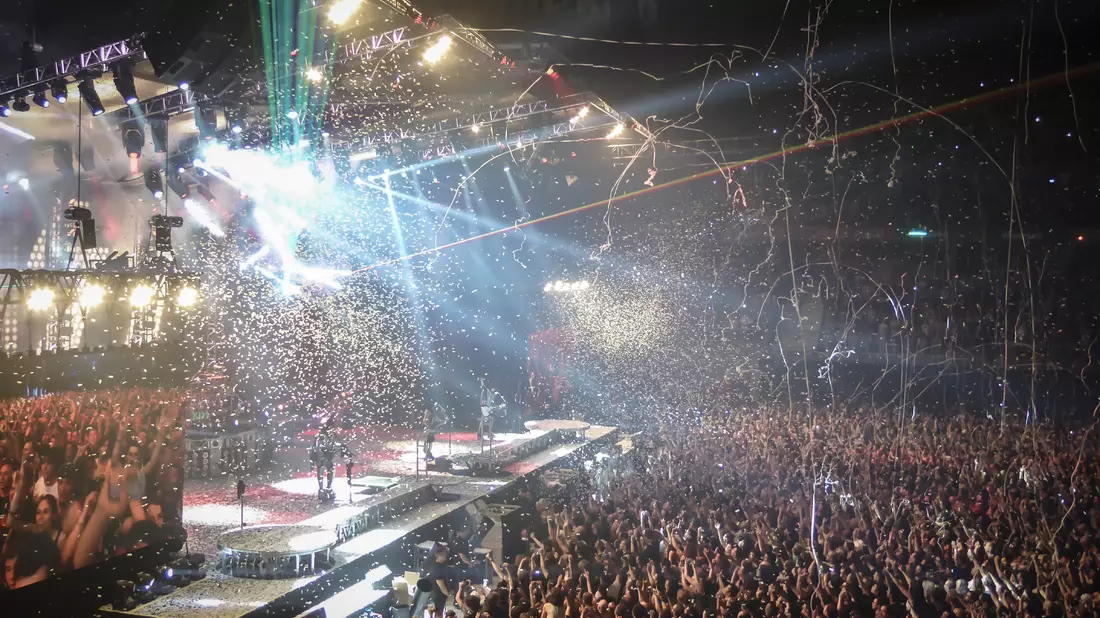
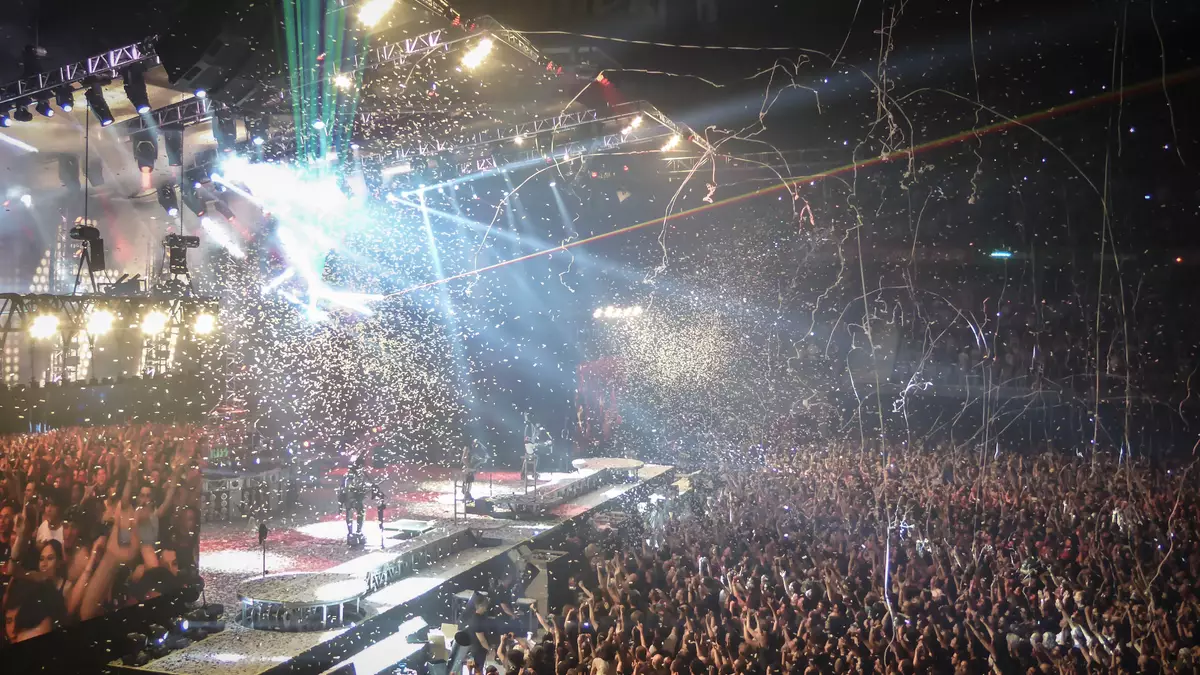
The first time Queen unleashed the operatic climax of Bohemian Rhapsody on a packed arena, rock staging changed overnight. The British band’s mix of precision harmonies, stacked guitars, and theatrical flair turned that six-minute studio epic into a communal roar that still echoes through sports arenas and classic-rock radio.
Fifty years of A Night at the Opera
When A Night at the Opera arrived in late 1975, Queen were an ambitious rock band coming off the breakthrough of Sheer Heart Attack, but they were not yet the stadium-conquering legends that US listeners now take for granted. The album’s fusion of hard rock, vaudeville, prog, and music-hall drama pushed studio craft to a new extreme and laid the groundwork for the band’s global rise.
Critics and fans alike point to A Night at the Opera as a turning point in album-oriented rock, not only for the way it elevated the single Bohemian Rhapsody but for how it treated the LP as a theater stage where heavy riffs and campy cabaret could sit side by side. The record helped define Queen’s fearless approach to genre, which would later surface in everything from the funk-inflected Hot Space to the anthemic sweep of The Game.
In the US, the album became Queen’s first top-five entry on the Billboard 200, marking the band’s graduation from cult favorite to mainstream rock powerhouse. According to coverage in major music publications at the time, the success of A Night at the Opera also repositioned EMI and Elektra’s expectations of what a hard rock band could achieve creatively and commercially in the album era.
Today, with the record crossing the 50-year mark, its layered vocal arrangements, Brian May’s distinctive multitracked guitar orchestrations, and Freddie Mercury’s dynamic songwriting are still treated as reference points in rock production. As of 06/13/2026, playlists, reissues, and documentaries continue to keep the album in circulation for new generations of listeners who might first encounter its songs through films, streaming services, or sports arenas.
For US rock fans, the album’s anniversary underscores why Queen remain central to discussions of classic rock’s golden age, alongside acts like Led Zeppelin, The Who, and Pink Floyd. Even in a streaming landscape dominated by hip-hop, pop, and country crossovers, the durable appeal of A Night at the Opera shows how meticulously crafted rock albums can keep gaining new audiences decades after release.
- A Night at the Opera established Queen as global rock innovators
- Bohemian Rhapsody became a template for ambitious singles
- US chart success on the Billboard 200 confirmed their mainstream impact
- The record’s 50-year legacy continues to inform rock production and stagecraft
Why Queen still matter to US rock fans
Part of Queen’s continued relevance lies in how their songs function as communal experiences. Tracks like We Will Rock You and We Are the Champions, both featured prominently on News of the World, have become shorthand for triumph in American sports culture, echoing through stadiums from high school gyms to the Super Bowl. Their presence in arenas keeps the band in front of younger fans who might not yet know the deeper album cuts.
At the same time, Queen’s catalog has never been locked into one niche. On US radio, they bridge the gap between classic-rock rotations and adult contemporary or pop formats, with songs like Another One Bites the Dust and Under Pressure crossing genre lines thanks to their danceable grooves and melodic hooks. This versatility means that the band’s music can appear in film trailers, commercials, and TV syncs without feeling dated or out of place.
Major outlets such as Rolling Stone and Billboard have repeatedly highlighted Queen in lists of the greatest rock artists and albums, cementing their status in the canon. When the 2018 biopic focused on Freddie Mercury and the band’s rise hit theaters, it reintroduced Queen’s story to a mainstream US audience and drove a surge in streaming and catalog consumption, especially around the tracks featured prominently in the film’s narrative.
For US listeners who discovered the band long before that cinematic revival, the appeal often centers on the interplay between Mercury’s flamboyant vocal presence and Brian May’s guitar tone, supported by John Deacon’s melodic bass lines and Roger Taylor’s tight, cymbal-rich drumming. Those elements, honed on classic albums like A Day at the Races, Jazz, and The Game, exemplify a band that could balance technical musicianship with stadium-sized hooks.
Queen’s songs also continue to inspire new generations of artists across pop, rock, and metal scenes. From indie bands borrowing their layered harmonies to pop stars channeling Mercury’s theatricality, the group’s influence persists not only through cover versions but through the production choices and stagecraft of contemporary performers. US readers can hear that lineage whenever a modern arena show incorporates call-and-response chants, elaborate lighting, and genre-blending setlists.
From London clubs to worldwide breakthrough
Queen’s path to the top of the rock world began in early 1970s London, when guitarist Brian May and drummer Roger Taylor, already veterans of the band Smile, teamed up with art-school vocalist Freddie Mercury and later recruited bassist John Deacon. The group built its reputation on the British club circuit, combining heavy rock riffs with operatic vocals and a campy visual presentation that stood apart from the more straightforward blues-rock acts of the time.
Under the guidance of producer Roy Thomas Baker, Queen recorded their early self-titled album Queen and its follow-up Queen II, both of which hinted at the band’s ambitions with multi-part suites, fantasy lyrics, and intricate vocal overdubs. While these records won a dedicated cult following, especially among fans of progressive rock and glam, it was 1974’s Sheer Heart Attack that provided the first true breakthrough, yielding the hit Killer Queen and showcasing a tighter, more focused songwriting approach.
The success of Sheer Heart Attack on both sides of the Atlantic set up the band for the leap they would make with A Night at the Opera. They embraced more expensive studio sessions and complex overdubbing techniques, drawing on Mercury’s love of music hall and May’s interest in orchestral arrangements. The resulting album balanced hard rock tracks like Death on Two Legs with lighter fare such as Lazing on a Sunday Afternoon, while the sprawling Bohemian Rhapsody tied together the band’s ambitions in a single track.
As Queen’s reputation grew, they began mounting more elaborate live shows, bringing their layered studio sound to life with meticulous vocal harmonies and multi-part guitar solos. The band’s commitment to delivering album-accurate performances while still leaving room for spontaneous crowd interaction became a key factor in their ascent from theaters to arenas and eventually stadiums, both in Europe and in North America.
US tours across the late 1970s and early 1980s, documented in contemporary press reports and fan accounts, underscored how Queen’s theatricality connected with American audiences in cities ranging from New York to Los Angeles. Their willingness to mix hits with deep cuts in the setlist, along with Mercury’s charismatic crowd work, created shows that felt both polished and unpredictable, reinforcing the impression that Queen were more than just a studio band with radio hits.
By the time albums like News of the World, Jazz, and The Game arrived, Queen had evolved from cult favorites and critical curiosities into one of the defining hard rock acts of the era. The band’s early struggles with record labels and industry expectations gave way to battles over creative control and artistic direction, but through it all, they maintained a commitment to making records that sounded like no one else.
Studio alchemy and era-defining songs
One of the most distinctive aspects of Queen’s catalog is the group’s ability to inhabit multiple genres without losing their musical identity. On A Night at the Opera, the band moved from the heavy guitar work of Sweet Lady to the music-hall whimsy of Seaside Rendezvous, yet every track bore the unmistakable stamp of May’s guitar tone and Mercury’s vocal phrasing. That same instinct defined later albums, where disco-inflected tracks could sit next to rock anthems without breaking the record’s internal logic.
In the years after A Night at the Opera, Queen continued to refine this genre-blending approach. News of the World delivered blunt stadium anthems, Jazz offered playful and sometimes controversial experimentation, and The Game leaned into more streamlined pop-rock songwriting that helped broaden the band’s radio appeal in the US. Each record introduced new textures and ideas while retaining the band’s core melodic sensibility.
Signature songs like Bohemian Rhapsody, We Will Rock You, We Are the Champions, Another One Bites the Dust, and Under Pressure have become fixtures in playlists and cultural memory. These tracks owe their staying power to a combination of strong hooks, memorable riffs, and dynamic arrangements that move through multiple sections without losing focus. Producers and songwriters often cite Queen’s work as an example of how ambitious structures can still yield instantly recognizable hits.
Queen’s production techniques, including May’s multitracked guitar choirs and the band’s stacked vocal arrangements, have been dissected by engineers and historians for decades. Detailed features in outlets such as Sound on Sound and interviews with the band’s collaborators describe how they pushed the limits of analog tape and mixing consoles to achieve their massive sound. These studio choices, honed on albums like A Day at the Races and The Game, continue to influence how rock records are recorded and mixed.
Beyond the technical innovations, Queen’s lyrics and visual presentation contributed to a distinct artistic persona. Mercury’s interest in theatricality, opera, and fashion gave the band a visual identity that could shift from glam sparkle to leather-clad toughness, while the videos for songs like Bohemian Rhapsody and Radio Ga Ga helped define the emerging language of rock music on television and, later, on dedicated video channels.
Over time, Queen’s later albums, including The Works, A Kind of Magic, and Innuendo, added new layers to their story, blending synth-driven sounds with their classic rock foundations. While critical opinion has sometimes fluctuated on these records, dedicated fans and music journalists continue to reassess them, highlighting deep cuts and underrated tracks that showcase the band’s willingness to experiment late into their career.
Cultural legacy from Live Aid to streaming era
Queen’s cultural status was dramatically amplified by their performance at the 1985 Live Aid charity concert at London’s Wembley Stadium, widely regarded as one of rock history’s most electrifying sets. Broadcast globally and later replayed in documentaries and retrospectives, the performance illustrated how Mercury’s command of the crowd and the band’s tight musicianship could turn a short time slot into a defining moment of the decade.
This Live Aid appearance, often ranked among the greatest live performances by outlets including the BBC and Rolling Stone, became a touchstone for discussions about stagecraft and audience connection. Younger viewers encountering the footage today, whether in archival broadcasts or online clips, still respond to the immediacy of Mercury leading tens of thousands of people in unison vocal lines.
Queen’s influence extends into the film and television world, where songs like Bohemian Rhapsody, We Will Rock You, and Don’t Stop Me Now have been used in key scenes that introduce the band to new generations. Popular movies and series have used these tracks for both comedic and dramatic effect, reinforcing the songs’ versatility and emotional range.
From a commercial standpoint, organizations such as the RIAA have recognized many of Queen’s releases with Gold and Platinum certifications in the US, highlighting the enduring sales and streaming strength of albums like A Night at the Opera, News of the World, and the compilation Greatest Hits. As of 06/13/2026, catalog listening continues to drive strong numbers for classic rock mainstays, with Queen often appearing near the top of streaming charts for legacy acts.
Critically, Queen’s reputation has shifted from a sometimes polarizing band in the 1970s and 1980s to a widely celebrated cornerstone of the rock canon. Publications such as The Guardian, NME, and US outlets have revisited earlier mixed reviews and acknowledged how the band’s adventurousness anticipated later developments in genre-blurring and theatrical rock. The story of their evolving critical reception mirrors the broader reappraisal of classic rock more generally.
Fan culture around Queen remains vibrant, with tribute acts, fan conventions, and online communities dissecting setlists, rare recordings, and memorabilia. In the US, cover bands continue to perform full-album shows centered on A Night at the Opera and other key releases, reflecting how deeply embedded these songs are in both musician and fan circles.
Key questions about Queen, answered
Why is Queen’s album A Night at the Opera so important?
A Night at the Opera is widely considered Queen’s creative breakthrough because it fused hard rock, operatic vocals, music-hall influences, and studio experimentation into a cohesive album anchored by the ambitious single Bohemian Rhapsody. The record helped redefine what a rock LP could be in the mid-1970s and paved the way for the band’s global success.
How did Queen shape arena rock in the US?
Queen helped shape arena rock by pairing massive, chant-ready songs like We Will Rock You and We Are the Champions with theatrical stage production and precise musicianship. Their approach turned concerts into immersive spectacles, influencing how later acts structured their live shows and wrote songs designed for large venues and crowd participation.
Which Queen songs should new listeners start with?
New listeners often begin with cornerstone tracks such as Bohemian Rhapsody, We Will Rock You, We Are the Champions, Another One Bites the Dust, and Under Pressure, then dive into albums like A Night at the Opera, News of the World, and The Game for a fuller sense of the band’s range, from heavy rock to pop, funk, and ballads.
Queen across platforms and playlists
Queen’s catalog thrives in the streaming era, where algorithmic playlists, classic-rock stations, and user-curated mixes keep their songs in constant circulation. Fans who first encounter a single track in a movie, ad, or sports broadcast can dive into full albums or live recordings within seconds, reinforcing the band’s presence across generations and formats.
Queen – moods, reactions, and trends across social media:
Further reading and listening for Queen fans
More coverage of Queen at AD HOC NEWS and elsewhere:
Read more about Queen on the web -> Search all Queen coverage at AD HOC NEWS ->