The Smashing Pumpkins mark alt?rock milestones again
13.06.2026 - 13:22:58 | ad-hoc-news.de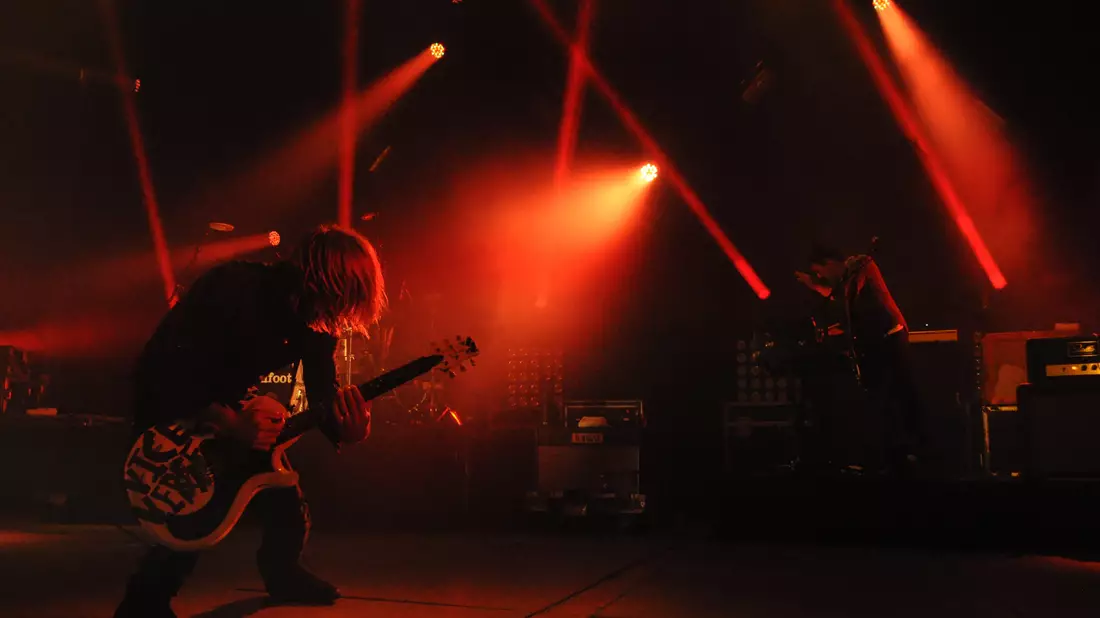
In the early 1990s, as alternative rock was breaking into the mainstream, The Smashing Pumpkins emerged from Chicago with a sound that was both heavier and more ornate than most of their peers. The band fused towering guitar layers, introspective lyrics, and art?rock ambition into a body of work that still defines how many listeners hear 90s rock today.
The Smashing Pumpkins were formed in Chicago in 1988 by guitarist and vocalist Billy Corgan, who quickly became the group’s primary songwriter and creative architect. From the start, Corgan’s vision pushed beyond local?scene expectations: he wanted a band that could be as crushing as metal, as hook?driven as classic pop, and as emotionally open as the indie underground.
Alongside Corgan, the classic lineup included guitarist James Iha, bassist D’arcy Wretzky, and drummer Jimmy Chamberlin. This configuration would go on to record a string of influential releases that turned the quartet into one of the defining American rock bands of the decade. Although the lineup has shifted over the years, this original core remains central to how fans, critics, and historians remember the group’s first era.
The band’s debut studio album, Gish, arrived in 1991 and announced The Smashing Pumpkins as a serious creative force. Produced by Butch Vig, who also worked with Nirvana, the record blended hard?hitting drums with shimmering guitar overdubs and psychedelic colors. Songs like Rhinoceros and Siva hinted at the expansive dynamics that would become a band trademark, moving seamlessly from quiet introspection to explosive distortion.
Where many early?90s alternative bands emphasized a raw, stripped?down live energy, The Smashing Pumpkins embraced the possibilities of the studio. Corgan and Vig layered guitars into massive walls of sound, bending shoegaze textures toward a more urgent, riff?based attack. This approach helped the band stand out in a crowded field and pointed forward to the more elaborate productions that would define their peak years.
Their breakthrough came with the 1993 album Siamese Dream, widely regarded as a landmark of alternative rock. With tracks such as Cherub Rock, Today, and Disarm, the album balanced aggression and vulnerability in a way that resonated with a broad audience. The guitars were dense and saturated, yet the melodies remained memorable and direct, inviting listeners who might not otherwise gravitate to heavy music.
Critics have frequently highlighted how Siamese Dream captured the anxieties and aspirations of its era without resorting to easy slogans. Corgan wrote about depression, alienation, and self?doubt in a manner that felt personal rather than generically rebellious, and the band’s arrangements amplified those themes with sudden dynamic shifts and carefully crafted crescendos. For many fans, it remains the definitive Smashing Pumpkins record.
If Siamese Dream opened the door to mainstream success, the band’s next project, the double album Mellon Collie and the Infinite Sadness, flung it wide open. Released in 1995, this sprawling collection ran across two discs and more than two dozen tracks, aiming to be a kind of 1990s rock epic. It mixed crushing anthems, delicate ballads, orchestral experiments, and electronic touches into a panoramic statement about youth, loss, and possibility.
Songs like Bullet with Butterfly Wings, with its snarling riffs and memorable chorus, sit alongside gentler moments such as 1979, a wistful, mid?tempo track built around pulsing guitars and a nostalgic lyric about suburban adolescence. The juxtaposition helped demonstrate the range of The Smashing Pumpkins and their willingness to treat albums as cinematic experiences rather than simply collections of singles.
The mid?1990s also marked a period when the band’s videos became fixtures on music television, strengthening their presence in youth culture. Visuals for songs like Tonight, Tonight, inspired by early cinema, emphasized the group’s flair for theatrical imagery and narrative. The band’s aesthetic extended beyond sound into a broader artistic vision that drew on film, art history, and science?fiction motifs.
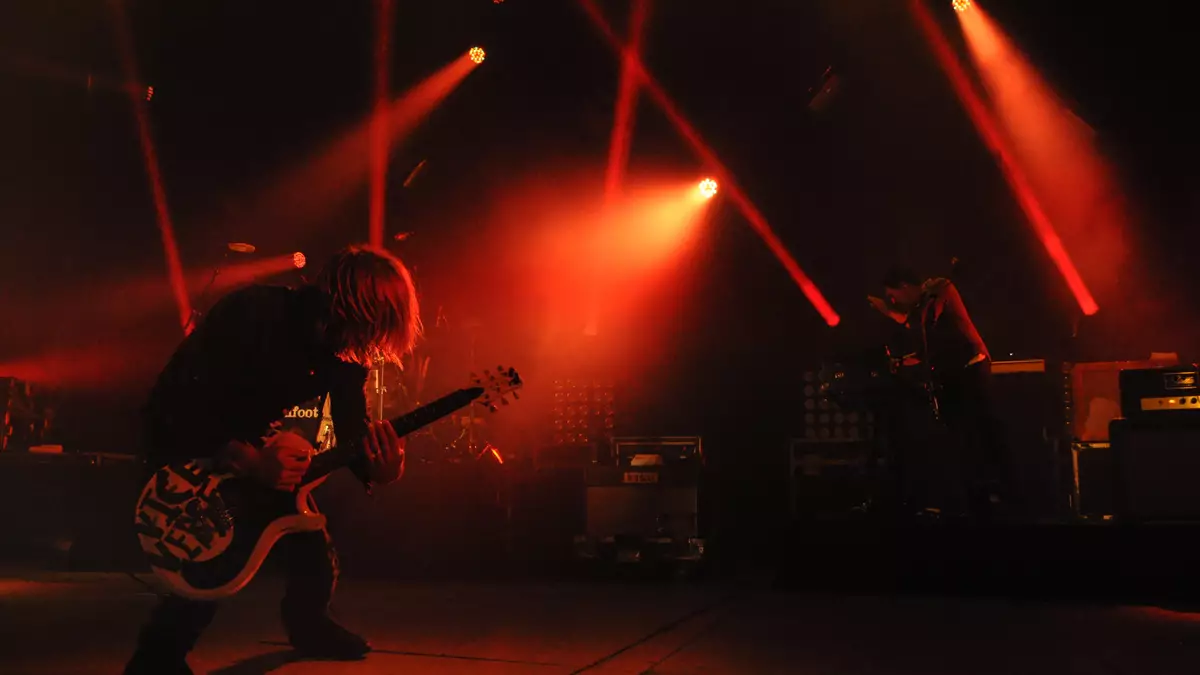
Throughout these years, The Smashing Pumpkins developed a reputation for intense, sometimes unpredictable live performances. On stage, Corgan’s guitar work and Chamberlin’s drumming formed a powerful core, capable of shifting from tight, disciplined grooves to extended improvisations. Audiences came to expect not only the hits but also deep cuts and reworked arrangements that showcased the band’s musical curiosity.
As the 1990s progressed, the group continued to evolve. Later releases like Adore and Machina/The Machines of God brought electronic textures, drum machines, and darker atmospheres into the mix. While these albums did not always match the commercial heights of their predecessors, they underlined Corgan’s determination to avoid repeating earlier formulas. For listeners, this meant an unpredictable but consistently ambitious catalog.
The early 2000s brought lineup changes and a temporary disbandment, but The Smashing Pumpkins eventually returned, reaffirming their place within the rock landscape. Over time, new members would join alongside returning figures, and the band would continue to tour and record, adding chapters to a story that began in small Chicago clubs and grew outward toward arenas and festival stages.
Even as the commercial center of rock shifted, The Smashing Pumpkins remained a touchstone for younger artists. Bands across alternative, metal, emo, and indie scenes have cited the group’s combination of emotional directness and sonic ambition as an important influence. The Pumpkins’ willingness to pair intricate studio work with raw lyrical content suggested a model for how rock could be both grand and vulnerable.
The group’s sound has often been described as an intersection of alternative rock, heavy metal, dream?pop, and classic guitar rock. Corgan’s distinctive voice, with its nasal tone and wide emotional range, cuts through dense arrangements, while the guitars weave between thick distortion and crystalline arpeggios. The rhythm section, especially during the classic period with Chamberlin on drums, provides a muscular backbone that can handle abrupt tempo shifts and complex patterns.
Production has always been a crucial part of The Smashing Pumpkins’ identity. Albums like Siamese Dream and Mellon Collie and the Infinite Sadness are known for their extensive overdubs and carefully sculpted tones. Rather than relying on live?in?the?room recordings, the band has often embraced meticulous multi?tracking to create a sense of scale. This approach helped define the group at a time when many rock acts favored a more stripped?down sound.
Lyrically, Corgan frequently returns to themes of isolation, romantic turmoil, spiritual searching, and the tension between innocence and experience. Songs such as Tonight, Tonight, Mayonaise, and Perfect capture a longing for connection in a world that can feel indifferent or hostile. This emotional core, delivered through vivid imagery and direct phrasing, has helped the music resonate across generations of listeners.
The Smashing Pumpkins’ discography extends beyond their most famous albums. Releases like Oceania, Monuments to an Elegy, and later multi?part projects show the band revisiting progressive structures and concept?album frameworks. While some of these works speak most directly to devoted fans, they reinforce a pattern: the Pumpkins are more interested in exploration than in simply repeating past successes.
Over the decades, the group’s relationship with the music industry has evolved along with broader shifts in how people hear and discover rock. In the 1990s, radio and music television played a key role in the band’s rise. In the streaming era, playlists and algorithmic recommendations introduce new listeners to catalog tracks alongside recent material, keeping songs like 1979 and Today in circulation for audiences who were not yet born when the records first dropped.
The band’s cultural footprint extends into fashion, film, and online communities. Iconography from album artwork and videos continues to appear on posters, T?shirts, and social media posts. For many fans, discovering The Smashing Pumpkins becomes a gateway into exploring 1990s rock more broadly, linking the group to contemporaries from Seattle grunge acts to Britpop bands, even though the Pumpkins never fit neatly into either category.
Critical conversation around The Smashing Pumpkins often returns to the sheer ambition of their peak output. Rather than settling for a single, tightly focused album, the band delivered sprawling, multi?layered projects that invited close listening. This encouraged critics and fans alike to treat the group less as a straightforward alt?rock band and more as a studio?driven project in the tradition of classic?rock auteurs.
The band’s story also offers insight into the pressures that came with alternative rock’s mainstream breakthrough. Rapid success, intense touring, and media scrutiny created tensions within the group, as they did for many of their peers. Lineup changes and public disagreements became part of the narrative, but through it all, the core idea of The Smashing Pumpkins as a vehicle for expansive, emotionally charged rock music persisted.
For US listeners, The Smashing Pumpkins occupy a distinctive space in the national rock memory. Their songs have appeared in films, television, and sports broadcasts, and their albums are frequently cited in fan and critic polls about the strongest releases of the 1990s. Tracks like Tonight, Tonight and 1979 have become generational touchstones, instantly recognizable from their opening notes.
Part of the group’s enduring appeal lies in how their music captures adolescence and early adulthood with unusual clarity. The lyrics often describe the confusion and intensity of those years, while the music mirrors that intensity with dramatic shifts in volume and texture. Listeners who first encountered the band as teenagers frequently return to the songs later in life and find new layers of meaning.
In live settings, The Smashing Pumpkins have continually reinterpreted their catalog, adjusting arrangements to suit new lineups and venues. Some performances emphasize the heavier side of the band’s sound, foregrounding thunderous drums and overdriven guitars, while others highlight the more melodic and atmospheric elements. This flexibility keeps the songs alive and allows different eras of the band to converse with one another in real time.
Although the music industry has changed dramatically since the band’s early days, The Smashing Pumpkins’ catalog remains a staple of rock radio and streaming playlists. Program directors and curators continue to return to their material, recognizing its enduring ability to connect with new listeners. For younger rock bands, the Pumpkins’ combination of sonic experimentation and grounding in strong songwriting provides a compelling template.
As the decades pass, the critical reassessment of 1990s rock often reconfirms The Smashing Pumpkins’ status as one of the decade’s central acts. Their records are frequently re?examined in essays, documentaries, and podcasts that explore how alternative rock moved from underground scenes to the center of popular culture. Within those narratives, the band’s blend of intimacy and grandiosity stands out as a defining feature.
For fans in the United States and beyond, engaging with The Smashing Pumpkins today often means moving fluidly between eras: discovering early deep cuts, revisiting canonical albums, and sampling newer releases. This layered listening experience mirrors the band’s own stylistic range, which has always resisted being pinned down to a single sound or movement.
Whether encountered through a classic track on a playlist, a deep dive into a full album, or stories passed along by older fans, The Smashing Pumpkins continue to serve as an entry point into a broader understanding of rock’s possibilities. Their catalog invites listeners to hear heaviness and vulnerability not as opposites, but as complementary forces within the same musical universe.
For those exploring the landscape of modern rock and pop, the band’s work demonstrates how a group can stay rooted in guitar?driven songwriting while remaining open to new textures and production ideas. That balance has helped The Smashing Pumpkins maintain relevance even as musical fashions shift, ensuring that their songs still feel vivid and emotionally immediate.
From the vantage point of today, The Smashing Pumpkins’ journey illustrates how ambition, risk?taking, and a strong sense of identity can carry a band across decades of change. Their story, written in towering guitar riffs and fragile melodies alike, continues to unfold every time a listener presses play.
From Gish to a towering 90s breakthrough
The earliest chapter in The Smashing Pumpkins story begins on Chicago’s North Side in the late 1980s, when Billy Corgan started sketching out songs that did not fit neatly into any single underground scene. He envisioned a band that could channel metal’s power, punk’s urgency, and dream?pop’s atmosphere, all at once.
When the group committed those ideas to tape on Gish, listeners encountered a debut that felt both rooted in the alternative rock of the period and strangely untethered from it. The record’s blend of heavy riffing and swirling, almost psychedelic guitar layers signaled that the Pumpkins were thinking beyond local clubs and toward a more expansive sonic canvas.
That mindset set the stage for the 1990s run that would transform The Smashing Pumpkins from a promising regional band into an internationally recognized act. It also established Corgan as a songwriter who was willing to push past accepted genre boundaries, a trait that would shape both the band’s sound and its public identity for years to come.
- Debut impact: Gish introduced the Pumpkins’ dense guitars and dynamic songwriting to a wider audience.
- Breakthrough era: Siamese Dream brought the band’s mix of heaviness and melody to the center of 1990s alternative rock.
- Epic scope: Mellon Collie and the Infinite Sadness expanded their ambitions into double?album territory.
- Ongoing evolution: Later releases showcased the band’s willingness to adapt, experiment, and challenge listener expectations.
Why The Smashing Pumpkins still matter
Decades after their emergence, The Smashing Pumpkins continue to matter because their music occupies a rare space where mainstream appeal and experimental impulses overlap. Few bands from their era matched their ability to write songs that worked on rock radio while also rewarding deep, album?length listening.
The Pumpkins’ catalog offers entry points for multiple kinds of rock fans. Listeners drawn to weighty riffs can latch onto tracks built around massive guitar tones, while those who prefer more atmospheric or melodic work can find a home in the ballads and mid?tempo songs. This breadth helps explain why the band maintains a presence in playlists that span grunge, alternative, classic rock, and even certain emo and indie contexts.
Another reason the group remains significant is the emotional intensity of Corgan’s writing. Across the albums, he presents vulnerability without disguising it in irony or distance. Lines about loneliness, frustration, and self?doubt appear alongside images of hope and transcendence, suggesting a worldview that recognizes darkness but insists on searching for light within it.
For US audiences, The Smashing Pumpkins also represent a specific historical moment: the time when alternative rock moved from college radio to the center of popular culture. Their rise tracks closely with the genre’s own journey into mainstream consciousness, making the band an essential reference point for anyone trying to understand that broader cultural shift.
Chicago origins and the rise to major stages
The Smashing Pumpkins’ Chicago roots played a central role in shaping their early identity. The city’s music community in the late 1980s and early 1990s was diverse, encompassing punk, industrial, indie rock, and more experimental scenes. The band absorbed elements from this environment while maintaining a sense of apartness, carving out a sound that felt uniquely their own.
Performing in local clubs gave the group a laboratory for refining arrangements and testing out new material. Early shows often featured songs that would later appear, in significantly evolved form, on their first two albums. Fans who witnessed these performances saw a band that was simultaneously raw and clearly ambitious, aiming beyond the confines of small venues.
As word spread, opportunities to play larger stages and reach broader audiences followed. Regional touring introduced the band to new listeners across the Midwest and eventually the rest of the United States. These early tours were intense, physically and emotionally, but they helped build a reputation for a live act that could match the power hinted at on record.
Signing to a major label provided resources that allowed The Smashing Pumpkins to fully pursue their studio vision. With increased support for recording and promotion, they were able to spend more time crafting dense arrangements and exploring new sounds. This investment paid off when the albums connected not only with established alternative?rock listeners but also with a broader mainstream audience.
The rise from local act to international force did not happen overnight, but in retrospect, the path from Chicago clubs to major festivals and arenas looks remarkably direct. Each step introduced the band’s sound to new listeners and reinforced the idea that they were not content to remain a cult favorite; they aimed for a lasting, large?scale impact.
Stacked guitars, fragile lyrics, classic albums
At the core of The Smashing Pumpkins’ signature sound lies a tension between muscular instrumentation and emotional vulnerability. The guitars, often layered in thick stacks of distortion, create an almost orchestral density. Yet within that sonic mass, delicate melodic lines and introspective lyrics find room to breathe.
On albums like Siamese Dream, this balance is especially pronounced. Tracks such as Today juxtapose bright, almost sunny hooks with lyrics that hint at deep personal struggle. The result is music that can feel simultaneously uplifting and haunted, capturing the complexity of lived experience more effectively than a straightforwardly dark or upbeat song might.
Mellon Collie and the Infinite Sadness extends this approach across a double album, allowing the band to explore a wide emotional and stylistic spectrum. Listeners encounter everything from aggressive rockers built on pounding drums and jagged riffs to gentle piano?driven ballads. This breadth underscores the group’s refusal to be confined to a single mood or tempo.
Beyond the foundational trio of Gish, Siamese Dream, and Mellon Collie and the Infinite Sadness, later records such as Adore and Oceania showcase the band’s appetite for reinvention. Adore leans into electronic percussion and a darker, more nocturnal atmosphere, while Oceania integrates progressive?rock influences into a cohesive album experience that feels both expansive and focused.
Individual songs serve as gateways into different facets of the band’s identity. Disarm highlights their knack for orchestration and vulnerability, with its acoustic textures and string arrangements. Bullet with Butterfly Wings channels frustration and anger through a memorable chorus and tightly wound instrumentation. 1979 captures nostalgia and the bittersweet edge of youth, wrapped in a shimmering, mid?tempo groove.
Production choices throughout the catalog reinforce the band’s sense of scale. Rather than chasing lo?fi authenticity, The Smashing Pumpkins often embraced high?definition soundscapes, using the studio as an instrument in its own right. This approach aligns them with a lineage of rock artists who treat albums as immersive environments rather than mere documentations of live performance.
Legacy, influence, and 90s alt?rock memory
The Smashing Pumpkins’ legacy is deeply entwined with the broader story of 1990s alternative rock, but it also stretches beyond that era. For many listeners, their songs provide a kind of emotional shorthand for the decade, evoking memories of adolescence, college years, or the first time guitars and distortion began to feel like personal companions.
Younger bands often point to the Pumpkins as a formative influence, whether they draw directly from the group’s sonic palette or take inspiration from their willingness to pursue expansive, concept?driven projects. In scenes ranging from post?hardcore to ambient metal and indie rock, traces of the Pumpkins’ guitar textures and emotional directness can be heard.
The band’s visual and lyrical aesthetics also continue to resonate. Imagery from album covers, tour posters, and videos circulates widely online, while lines from songs appear in social?media bios, tattoos, and fan art. This ongoing presence suggests that the band’s work still offers a language for describing feelings and experiences that newer generations encounter in their own lives.
Critical histories of alternative rock almost always make room for The Smashing Pumpkins alongside other pivotal acts from the era. Writers and scholars note how the band complicates simple narratives about grunge and Britpop by offering a parallel route: a strain of US alt?rock that was deeply tied to the Midwest, committed to elaborate studio craft, and unafraid of grandeur.
Within US culture, the Pumpkins’ songs surface in contexts ranging from movie soundtracks to sports broadcasts and nostalgia?driven playlists. Each appearance helps keep the music in circulation and introduces it to listeners who may not yet know the full catalog. For some, a single song heard in a new setting becomes the beginning of a deeper engagement with the band’s work.
Questions fans still ask about the band
What makes The Smashing Pumpkins stand out from other 90s rock bands?
The Smashing Pumpkins stand out because they combine heavy, multilayered guitars with emotionally vulnerable lyrics and ambitious album structures. Unlike many bands that lean either toward raw simplicity or intricate experimentation, the Pumpkins manage to occupy both spaces at once. Their records offer immediate hooks for casual listeners, while rewarding deep, attentive listening for fans who want to explore every layer of sound.
Which albums are the best starting point for new listeners?
New listeners often begin with Siamese Dream and Mellon Collie and the Infinite Sadness, since these albums contain many of the band’s most recognizable songs and clearly showcase their core sound. From there, exploring Gish reveals the roots of their style, while records like Adore and Oceania highlight how the group has evolved over time. Each album offers a slightly different angle on the band’s identity.
Why do The Smashing Pumpkins remain influential for younger artists?
The Smashing Pumpkins remain influential because their music demonstrates how rock can be both emotionally direct and sonically adventurous. Younger artists hear in their catalog a blueprint for using distortion and volume without sacrificing melody or nuance. The band’s willingness to take risks, shift sounds, and treat albums as cohesive artistic statements continues to inspire musicians who want to push beyond conventional genre limits.
The Smashing Pumpkins across platforms and playlists
Today, The Smashing Pumpkins’ music lives across multiple platforms, where longtime fans and curious newcomers can explore decades of recordings with a few taps. Catalog tracks sit alongside newer releases in playlists that highlight everything from 1990s rock anthems to introspective guitar music.
The Smashing Pumpkins – moods, reactions, and trends across social media:
Further reading on The Smashing Pumpkins
More coverage of The Smashing Pumpkins at AD HOC NEWS and elsewhere:
Read more about The Smashing Pumpkins on the web -> Search all The Smashing Pumpkins coverage at AD HOC NEWS ->