Uranium Energy’s Zero-Sales Quarter Sends Shares Tumbling, But $794M Cash Pile and Analyst Support Point to Recovery
12.06.2026 - 16:05:41 | boerse-global.de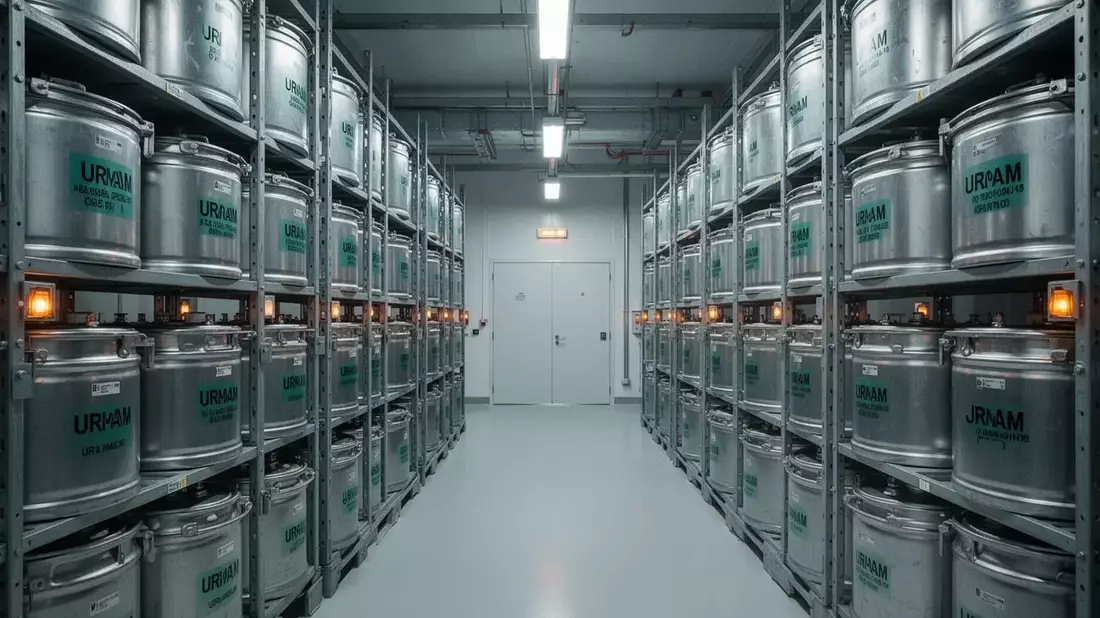
Uranium Energy posted no revenue in its fiscal third quarter, a deliberate decision to hoard its uranium stockpile in a falling spot market. The move triggered a 14% weekly rout and a $52.3 million net loss, but the company’s debt-free balance sheet — armed with $794 million in liquidity — has kept institutional investors from fleeing the stock.
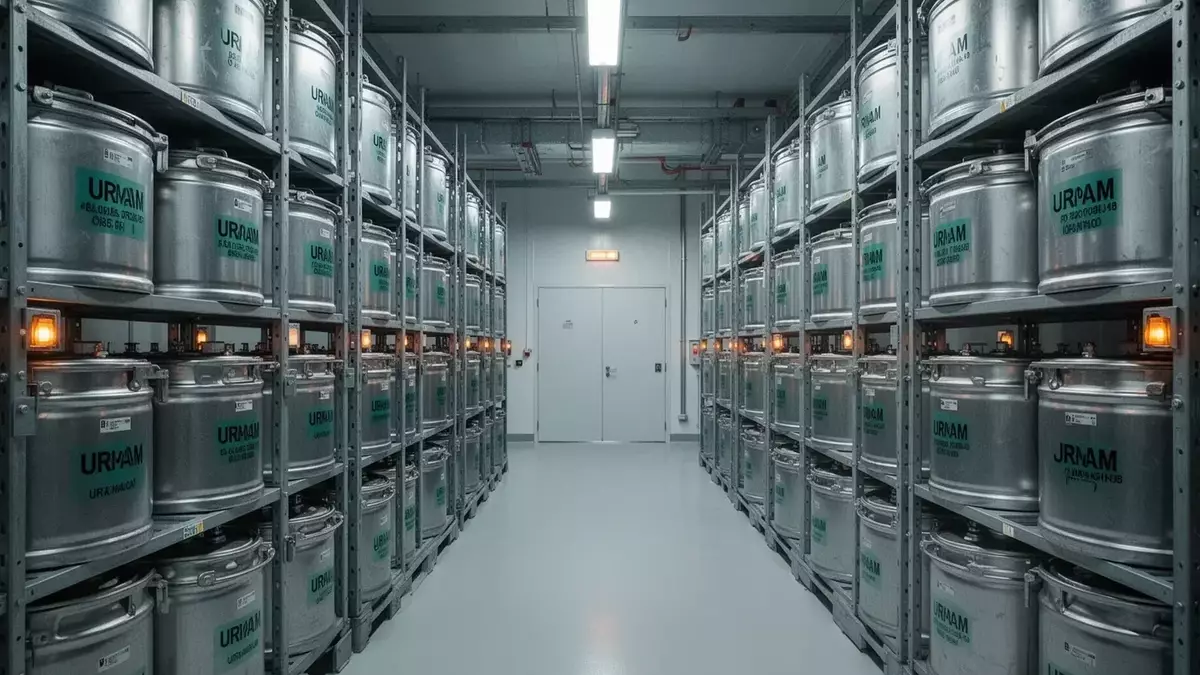
The quarterly report for the period ended April 30, 2026, caught the market off-guard. Revenue dropped to zero from $20 million in the prior quarter, while the net loss widened from $30.2 million a year earlier. Earnings per share came in at a loss of $0.11, far below the $0.03 deficit analysts had forecast. The company chose not to sell any of its 1.5 million pounds of uranium inventory, valued at $127 million, betting that prices will rebound.
That bet rests on the current spot price of $86 per pound, which sits more than 15% below the level at the start of 2026. Uranium Energy is keeping its barrels dry, but the strategy carries a cost: operating expenses surged 73.8% to $40.8 million, driven largely by $29.5 million in mineral property expenditures — an 88.4% jump from the prior year.
Should investors sell immediately? Or is it worth buying Uranium Energy?
Despite the red ink, the company’s financial foundation remains rock solid. It holds $488 million in cash and equivalents and carries zero long-term bank debt. That $794 million war chest gives management ample room to ride out operational setbacks, including delayed regulatory approvals at its Wyoming facilities. Production is expected to ramp in the current fourth quarter, with both the Wyoming assets and the Burke Hollow project in South Texas set to reach full steam.
Institutional investors, who collectively own more than 60% of the shares, stepped in to buy the dip. BI Asset Management disclosed a fresh multimillion-euro stake as the stock touched its lowest levels in months. On Friday, the shares recovered to €9.45, up 2.44% on the day, after having lost nearly 30% over the prior month.
Wall Street analysts remain firmly in the bullish camp despite the quarterly miss. Goldman Sachs trimmed its price target to $16 from $18 but kept a buy rating. H.C. Wainwright held its target at $26.75 with a buy, and Roth MKM maintained a $17 target and a buy recommendation. The consensus price target across covering analysts stands at $20.19 — more than double the current share price.
Technically, the stock still faces headwinds. It trades well below its 50-day moving average, and the relative strength index at 38.7 signals an approaching oversold condition rather than a confirmed bottom. The 52-week high of $17.34, set in January, is now 45% out of reach. Yet the government’s push to build a domestic nuclear fuel supply chain by 2033 provides a long-term tailwind that analysts say outweighs near-term volatility. For now, all eyes are on the uranium spot price — the single factor that will decide whether Uranium Energy’s waiting game ultimately pays off.
Ad
Uranium Energy Stock: New Analysis - 12 June
Fresh Uranium Energy information released. What's the impact for investors? Our latest independent report examines recent figures and market trends.