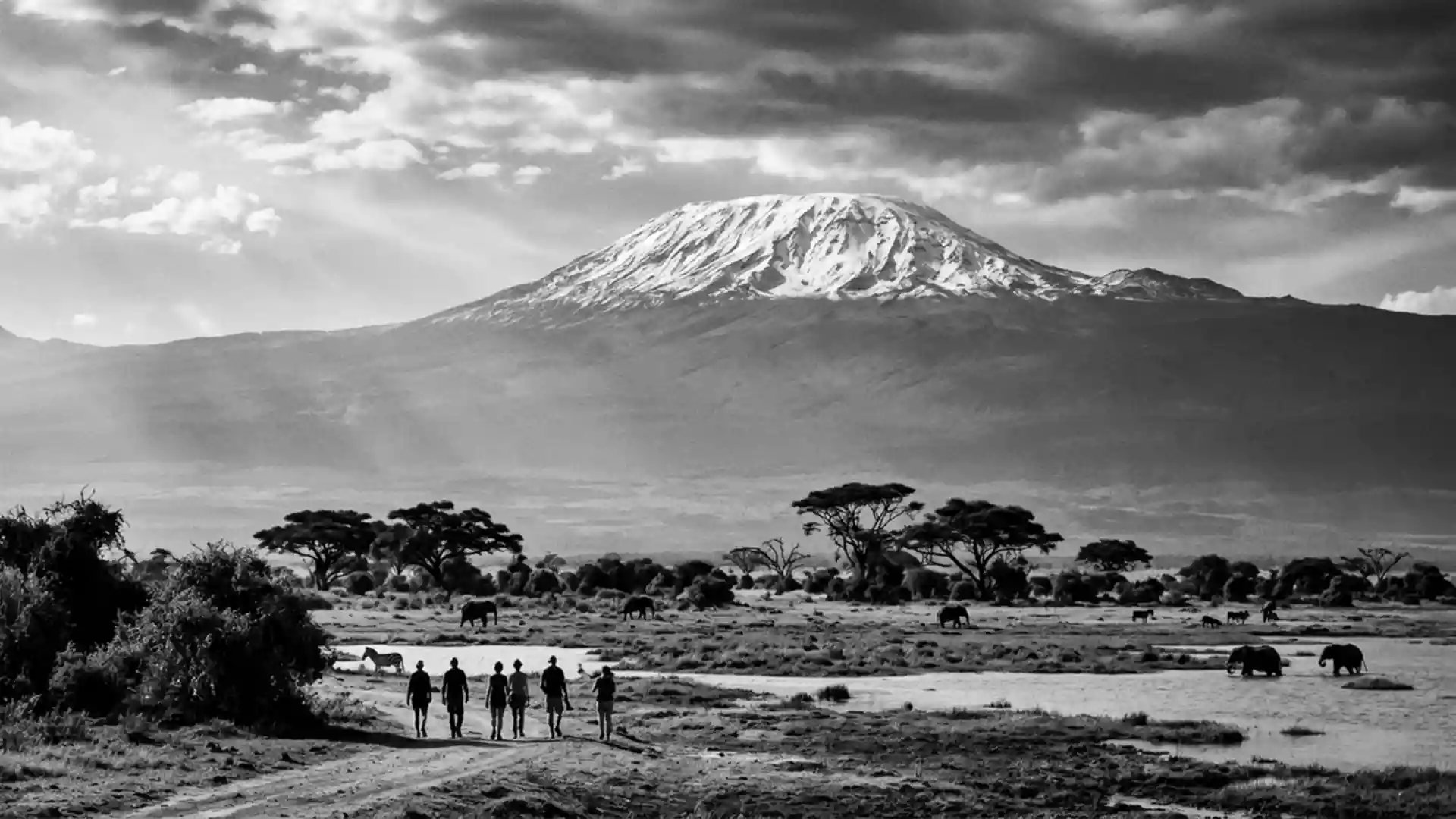
Amboseli National Park and the elephant plains below Kilimanjaro
Published on 08/15/2026 at 14:47 | Editorial responsibility: Rafael Müller, Editor-in-Chief AD HOC NEWS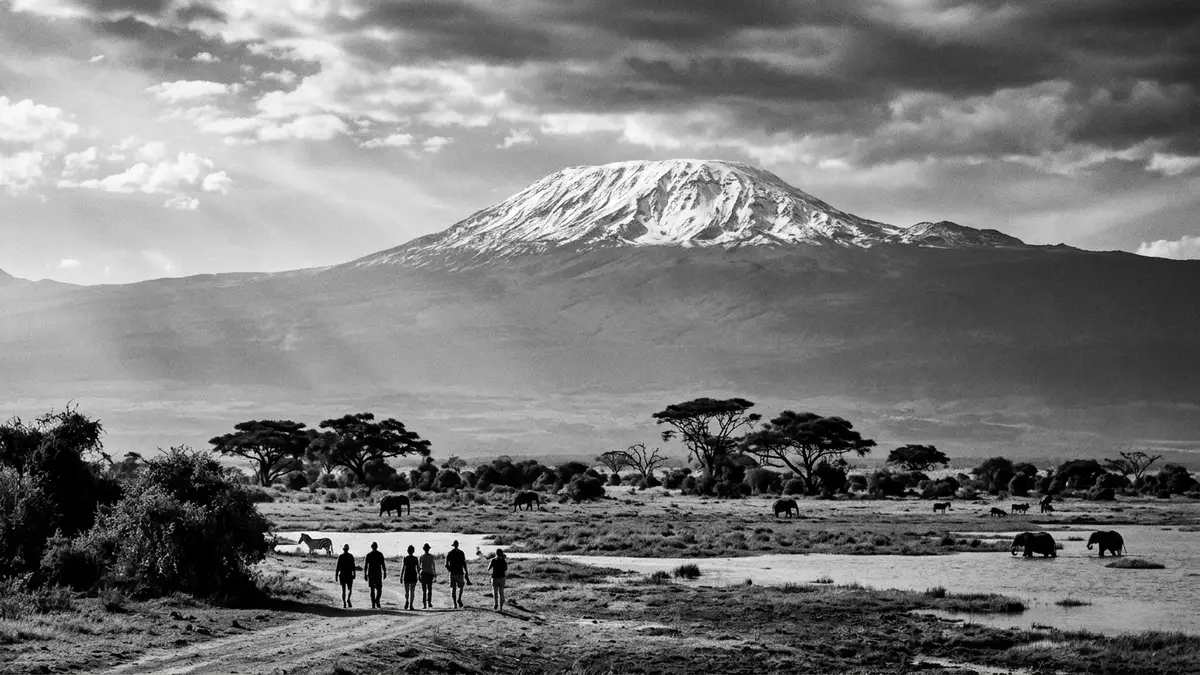
Amboseli National Park in southern Kenya is shaped by open plains, permanent swamps and the dry bed of Lake Amboseli, with the massif of Mount Kilimanjaro rising just across the border in Tanzania. Centred on Lake Amboseli, the protected core of the park covers around 392 km² (151 sq mi) within a wider cross?border ecosystem recognised as the Amboseli Biosphere Reserve in 1991 under UNESCO’s Man and the Biosphere Programme.Centred on Lake Amboseli Amboseli’s modern history as a conservation area reaches back to its establishment as a game reserve in 1948, with national park status following in 1974, a step that preserved a distinctive elephant landscape overlooked by Africa’s highest mountain.Amboseli National Park is located in southern Kenya
Elephants, swamps and the dry lakebed
The core visual experience of Amboseli National Park lies in its broad, low?lying plains broken by swamps and by the flat basin of the Amboseli lakebed. During dry periods the lakebed forms a dusty, alkaline pan, its pale surface stretching between darker islands of vegetation and the silhouettes of wildlife crossing the open space.a flat basin of alkaline soils Around this basin, permanent wetlands and swamps such as Enkong Narok draw groundwater from Kilimanjaro’s slopes, feeding stands of sedges and reeds that remain green when much of the surrounding savanna is dust?dry.Enkong Narok Swamp
Across these plains, Amboseli is widely associated with large elephant herds, their paths converging on the swamps and marsh edges where water and grazing are most reliable. The park’s open grassland, acacia woodland and thornbush country provide habitat for other plains wildlife, including buffalo, zebra, giraffe and a wide variety of antelope recorded by long?running ecological studies.open plains, thornbush country, and acacia woodland Birdlife is equally prominent, with more than 400 species noted around the wetlands and seasonal waters, from large wading birds to raptors scanning the plains from scattered trees.more than 400 species of birds
Kilimanjaro views and Maasai lands
Geographically, Amboseli National Park lies in Kajiado County near Kenya’s border with Tanzania, at the northern foot of Mount Kilimanjaro.Southern Kenya, Kajiado County, near the Tanzania border Kilimanjaro itself stands inside Tanzania, yet its snow?capped summit forms the backdrop for many views across the park’s plains, lending Amboseli one of East Africa’s most recognisable silhouettes: low savanna foregrounds with scattered acacias and elephants, and a high volcanic massif rising beyond. Observation Hill, also known as Nomatior, offers an elevated vantage point over Lake Amboseli and the surrounding swamps, giving a sense of how closely the park’s wetlands and dry surfaces interlock.Observation Hill / Nomatior
Amboseli sits within lands long associated with Maasai pastoral communities, whose cattle ranges intersect the wider ecosystem around the park. The conservation area itself is managed by Kenya Wildlife Service, while the broader Amboseli Biosphere Reserve recognised by UNESCO’s Man and the Biosphere Programme encompasses savanna rangelands, dry mountain forest and wetlands beyond the park boundary.Amboseli Biosphere Reserve This layered protection framework means that visitors encounter not only wildlife habitats and Kilimanjaro views but also a wider cultural landscape shaped by pastoral use, traditional bomas and seasonal grazing routes outside the formal park limits.
From game reserve to national park
Amboseli’s formal conservation history mirrors broader trends in East African wildlife protection. The area around Lake Amboseli was set aside as a game reserve in 1948, reflecting colonial?era efforts to safeguard hunting grounds and wildlife populations across southern Kenya.established as a game reserve in 1948 In 1974, part of this reserve was gazetted as Amboseli National Park, defining a smaller core zone of about 392 km² focused on Lake Amboseli, its plains and key wetland habitats.Gazetted as National Park in 1974 Later, in 1991, the wider ecosystem was recognised as a biosphere reserve under UNESCO’s Man and the Biosphere Programme, highlighting Amboseli’s role as a test case for balancing wildlife conservation with human land use.UNESCO 1991
Within this framework, Kenya Wildlife Service oversees the park’s management and core wildlife protection, while neighbouring group ranches and conservancies help maintain corridors that link Amboseli to surrounding areas and to the transboundary landscapes around Kilimanjaro.Managing Authority Kenya Wildlife Services The park’s small size relative to the larger ecosystem makes these connections significant: Amboseli’s elephants, predators and migratory plains species depend on seasonal movements across the Kenya–Tanzania border region, using wetlands and pastures that extend well beyond the official park boundary.part of a much larger ecosystem
Visiting Amboseli National Park: what travellers from Western Europe should know
- Amboseli National Park lies in southern Kenya’s Kajiado County near the border with Tanzania, reached by road routes from Nairobi through Namanga or Emali and by flights into Kimana airstrip for light aircraft.accessible through Iremito, Kimana, and Meshanani gates
- The terrain consists of low?lying plains, swamp margins and the flat surface of Lake Amboseli’s dry basin, with game?viewing tracks crossing open ground that can become dusty or muddy depending on rainfall.covering approximately 151 square miles
- Amboseli sits close to Mount Kilimanjaro and forms part of the Amboseli Biosphere Reserve; the official language is Swahili and English and the currency is the Kenyan shilling.
- Entry requirements depend on your nationality; UK travellers can check the FCDO travel advice at gov.uk/foreign-travel-advice, Irish travellers the Department of Foreign Affairs at ireland.ie.
Searching for Amboseli National Park on social platforms
These links open searches for Amboseli National Park on each platform.Frequently asked questions about Amboseli National Park
Where is Amboseli National Park located?
Amboseli National Park is in southern Kenya’s Kajiado County near the border with Tanzania, at the northern foot of Mount Kilimanjaro within the Amboseli Biosphere Reserve.
What can visitors expect on a visit to Amboseli?
Visitors encounter open savanna, the dry basin of Lake Amboseli, permanent swamps, large elephant herds and broad views towards Mount Kilimanjaro, alongside diverse plains wildlife and birdlife.
What makes Amboseli National Park distinctive among East African parks?
Amboseli is distinctive for its combination of elephant?rich plains, wetland habitats centred on Lake Amboseli and direct views to Kilimanjaro framed within a relatively compact protected core inside a wider biosphere reserve.