
Antigua Guatemala and its baroque streets under the volcanoes
Published on 08/22/2026 at 17:18 | Editorial responsibility: Rafael Müller, Editor-in-Chief AD HOC NEWS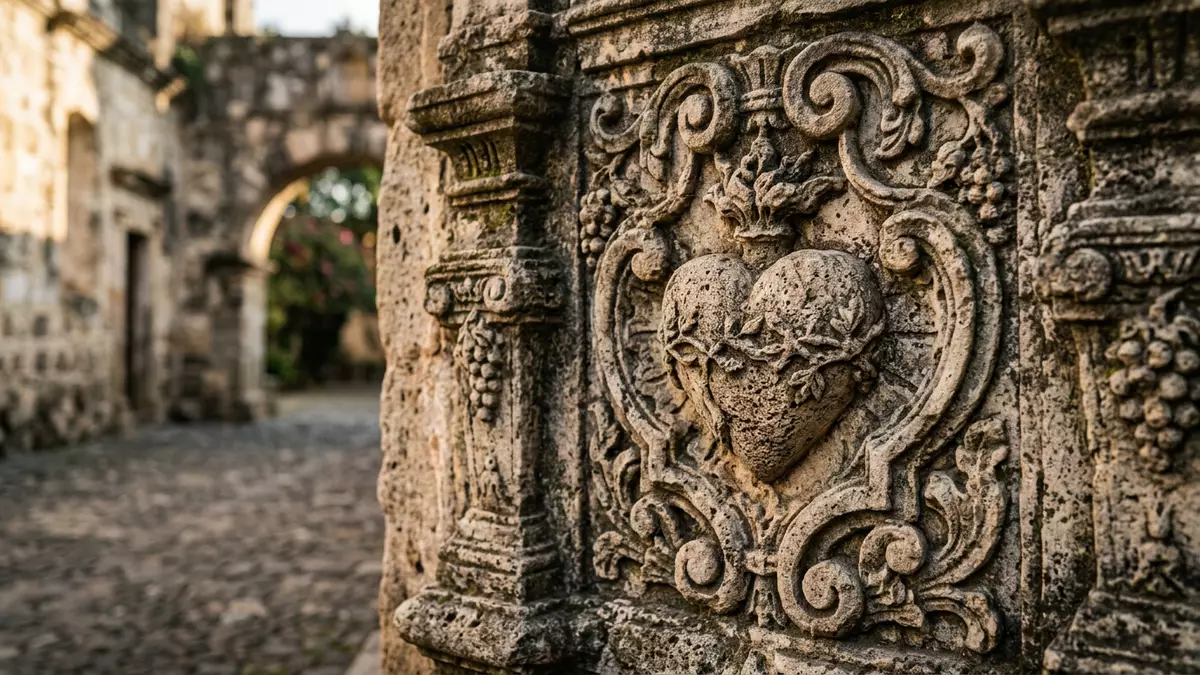
Antigua Guatemala is a historic highland city in Guatemala, framed by volcanic slopes and filled with baroque-era streets, churches and ruins that reveal its past as a colonial capital.
A former colonial capital in the Guatemalan highlands
Antigua Guatemala lies in the central highlands of Guatemala, in the Sacatepéquez Department, in a valley overlooked by Volcán de Agua and other volcanic peaks.central highlands of Guatemala The city was founded in 1543 as Santiago de los Caballeros de Guatemala and served as the capital of the Captaincy General of Guatemala for more than two centuries, giving it a decisive role in the Spanish administration of Central America.founded in 1543
This long period as a seat of power, between the mid sixteenth century and the later eighteenth century, left Antigua Guatemala with a dense urban fabric laid out on a grid plan with straight streets running between low, one and two-storey buildings.grid pattern inspired by the Italian Renaissance The city sits at around 1,530 m (5,029 ft) above sea level in an earthquake-prone region, a combination that shaped its robust building methods and left a legacy of standing churches alongside roofless shells and broken domes.
Baroque architecture, ruins and a UNESCO World Heritage inscription
Much of Antigua Guatemala’s character comes from its Spanish Baroque-influenced architecture, visible in church façades, cloisters and civic buildings that line its cobbled streets.Baroque-influenced architecture During the seventeenth and eighteenth centuries masons and architects created an ensemble of religious complexes and administrative structures whose ornamented fronts contrast with more restrained domestic houses built around inner courtyards.
The city suffered a major earthquake in 1773 that largely destroyed the capital, prompting the relocation of government to what became Guatemala City, yet many principal monuments remained as ruins and have been preserved in that form.destroyed by an earthquake in 1773 In 1979 Antigua Guatemala was inscribed as a UNESCO World Heritage Site for the cultural value of this baroque urban ensemble, its churches, convents and surviving streetscape, and for the insight it offers into Spanish colonial town planning.UNESCO World Heritage Site in 1979
Cerro de la Cruz and the volcanic backdrop
One of the clearest ways to see Antigua Guatemala’s layout and setting is from Cerro de la Cruz, a hill rising above the northern edge of the city with a prominent stone cross marking the viewpoint.Cerro de la Cruz near the city From the platform beside the cross, the rectilinear pattern of streets and the low urban profile become apparent, as roofs and courtyards extend towards the volcanic slopes beyond.
The view from Cerro de la Cruz takes in the silhouette of Volcán de Agua rising behind the city and, on clear days, the outlines of other volcanoes that frame the wider valley.set against Volcán de Agua The relationship between the gridded colonial streets and the surrounding volcanic landscape is one of Antigua Guatemala’s defining visual contrasts, visible both at street level and from elevated vantage points.
Visiting Antigua Guatemala: what travellers from Western Europe should know
- Antigua Guatemala lies west of Guatemala City in the Sacatepéquez Department and is reached by road transport from La Aurora International Airport and the capital.
- The historic centre has cobblestone streets, uneven surfaces and low pavements, so walking involves careful footing and occasional steps between levels.
- Cerro de la Cruz stands above the northern edge of the city and is approached by an uphill path and stairways that climb from the end of 1a Avenida Norte.
- The official language is Spanish and the currency is the Guatemalan quetzal.
- Entry requirements depend on your nationality; UK travellers can check the FCDO travel advice at gov.uk/foreign-travel-advice, Irish travellers the Department of Foreign Affairs at ireland.ie.
Searching for Antigua Guatemala on social platforms
These links open searches for Antigua Guatemala on each platform.
Frequently asked questions about Antigua Guatemala
Where is Antigua Guatemala located?
Antigua Guatemala is in the Sacatepéquez Department of Guatemala, in a highland valley west of Guatemala City and overlooked by Volcán de Agua.
What can visitors expect on a visit to Antigua Guatemala?
Visitors encounter cobbled streets, low colonial buildings, church façades and ruins, all set within a gridded historic centre backed by volcanic slopes.
What makes Antigua Guatemala distinctive among Central American cities?
Its combination of Spanish Baroque-influenced architecture, preserved ruins from eighteenth-century earthquakes and UNESCO World Heritage status makes it distinctive.


