
Basilica of Our Lady of the Pillar hosts Fiestas on 12 October
Published on 10/04/2026 at 03:57 | Editorial responsibility: Rafael Müller, Editor-in-Chief AD HOC NEWS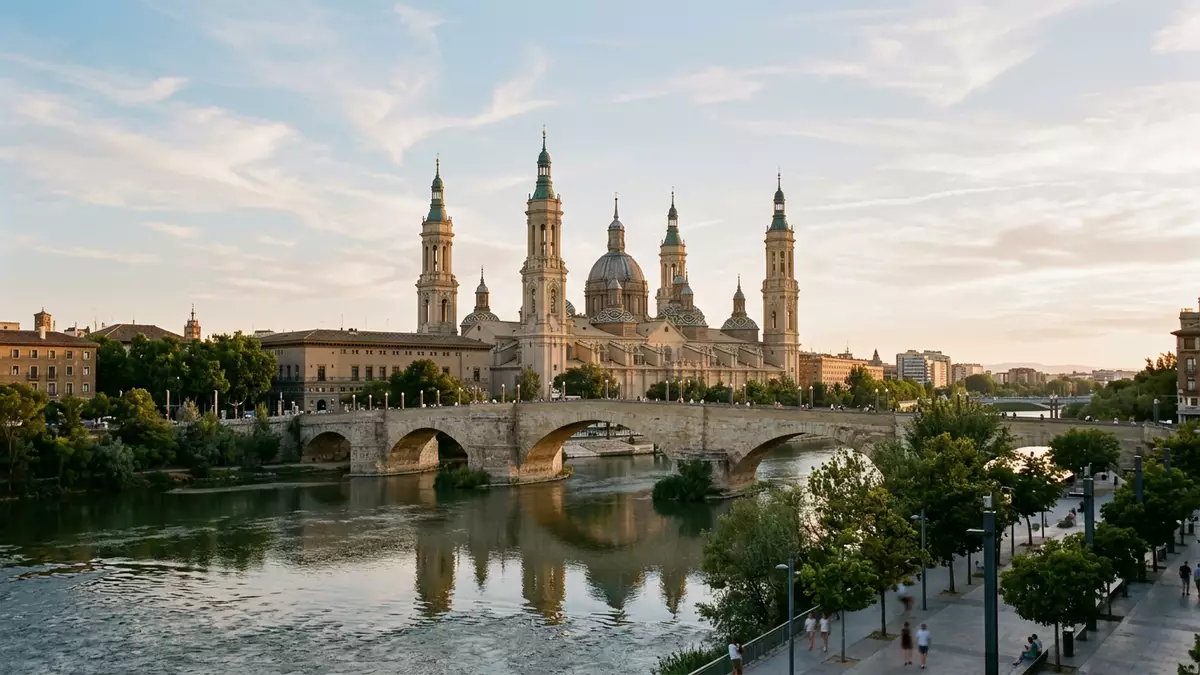
The Basilica of Our Lady of the Pillar (Basílica de Nuestra Señora del Pilar) in Zaragoza is the setting for Fiestas del Pilar ceremonies on 12 October 2026, including a Mass of the Infants and a pontifical Mass. The programme places the events within the city’s main festival, which runs from 9 to 18 October.
Fiestas del Pilar brings ceremonies to the basilica on 12 October
The programme lists the traditional Mass of the Infants at 4.30am in the Holy Chapel on 12 October. Later that morning, the Flower Offering begins at 6.30am in Zaragoza, with individual participants entering the Plaza del Pilar through San Vicente de Paúl and Arcedianos between 6.45am and 8pm.
At noon, a pontifical Mass is scheduled in the High Altar, followed by a procession through the Plaza del Pilar. The same programme also lists the start of the floral carpet assembly at 7.30am, with the procession passing over it after the Mass. The 12 October festival programme names the basilica as the venue for both principal services.
The Holy Chapel connects the festival to the building’s history
The city’s tourism authority describes the basilica as a major Marian sanctuary and an artistic centre containing works from several periods, including frescoes by Francisco de Goya. The present building developed from the growth of Marian devotion during the seventeenth century.
Construction of the current temple began in 1681 under Felipe Sánchez and Herrera el Mozo, according to the city’s historical account. From 1750, Ventura Rodríguez reshaped the interior and designed the Holy Chapel and the Coreto vault. He also revised the exterior plan, adding cupolas and towers that were completed only in the middle of the twentieth century. The Zaragoza tourism history places the building beside the city’s Pilar Square.
That history gives the 12 October programme a specific setting: the early service is held in the chapel designed by Rodríguez, while the midday Mass uses the High Altar before moving into the public square. The festival therefore links the basilica’s devotional spaces with the civic route outside its doors.
Visiting Basilica of Our Lady of the Pillar: what travellers from Western Europe should know
- The dated programme takes place on 12 October 2026. The Mass of the Infants is scheduled for 4.30am in the Holy Chapel, while the pontifical Mass is scheduled for noon in the High Altar.
- The Flower Offering begins at 6.30am, and the listed individual access route leads through San Vicente de Paúl and Arcedianos to the Plaza del Pilar. The programme also lists a procession after the midday Mass.
- The basilica stands beside the Ebro in Zaragoza, at Pilar Square. The festival’s outdoor ceremonies use the square in front of the building as well as its interior chapels.
- Visitors will find a large Baroque temple with cupolas, towers, the Holy Chapel, Goya frescoes and an artistic collection spanning several periods.
- Spanish is the official language of Spain, and the national currency is the euro.
Searching for Basilica of Our Lady of the Pillar on social platforms
These links open searches for Basilica of Our Lady of the Pillar on each platform.
Frequently asked questions about Basilica of Our Lady of the Pillar
When does Fiestas del Pilar take place at Basilica of Our Lady of the Pillar?
The listed ceremonies take place on 12 October 2026, including the Mass of the Infants at 4.30am and the pontifical Mass at noon.
Where is Basilica of Our Lady of the Pillar and how do you get there?
The basilica stands beside the Ebro at Pilar Square in Zaragoza. The festival programme directs individual Flower Offering participants through San Vicente de Paúl and Arcedianos to the square.
What is Basilica of Our Lady of the Pillar?
It is a Baroque Marian sanctuary and artistic centre with Goya frescoes, a Holy Chapel designed by Ventura Rodríguez and a building history reaching back to construction begun in 1681.


