
Belize Barrier Reef, a living wall of coral off Belize City
Published on 09/15/2026 at 06:40 | Editorial responsibility: Rafael Müller, Editor-in-Chief AD HOC NEWS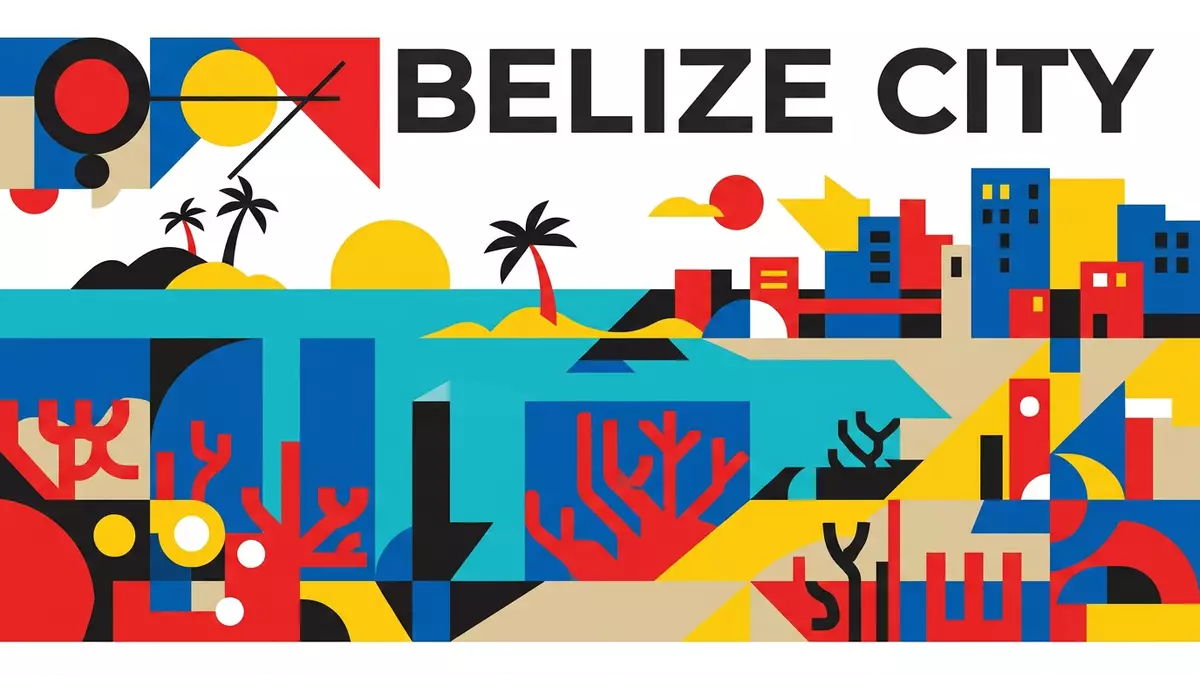
Off the Caribbean coast of Belize City lies the Belize Barrier Reef, a long, shallow wall of coral that runs parallel to the mainland and shelters a mosaic of lagoons, mangroves and sandy islands. Recognised as part of the Belize Barrier Reef Reserve System, a UNESCO World Heritage Site since 1996, it forms a striking edge between open sea and protected waters.
A reef that traces the coast of Belize
The Belize Barrier Reef follows the shoreline from near the border with Mexico southwards towards Guatemala, lying offshore yet close enough that its influence shapes much of Belize’s Caribbean seaboard. In many stretches it sits a short distance out from the mainland, with calm, shallower water between the reef crest and the coast and deeper Caribbean water beyond.Extending for more than 180 miles, it forms a nearly continuous barrier running north–south along the country.
The reef itself is part of the wider Mesoamerican Barrier Reef System, a chain of coral stretching from Mexico through Belize to Honduras.Belize’s section accounts for a substantial share of the system’s total area, and many travellers base themselves in Belize City or the nearby cayes to reach dive sites along its length. Between the reef and the mainland lie coastal lagoons and mangrove thickets, while beyond it rise atolls and sandy cayes that mark different stages of reef formation.
The Belize Barrier Reef Reserve System and its protected sites
The Belize Barrier Reef does not stand alone; large parts of it are protected within the Belize Barrier Reef Reserve System, a serial set of seven marine and coastal areas inscribed on the World Heritage List in 1996 as a natural property. These areas include Bacalar Chico National Park and Marine Reserve in the far north and South Water Caye Marine Reserve further south, along with offshore zones centred on distinctive features such as the Blue Hole and Half Moon Caye.Together they cover around 960 square kilometres of reefs, cayes and coastal habitats.
Within the reserve system the reef forms different structures, ranging from fringing sections close to shore to classic barrier stretches and full atolls in deeper water.The World Heritage datasheet describes the complex as a textbook example of reef development, illustrating how coral builds up over time into rims, patch reefs and enclosed lagoons. For visitors the protected status means that sections of the reef are managed as national parks or marine reserves, with zones where fishing is restricted and anchoring controlled to reduce damage to coral.
Life on and around the reef
Belize Barrier Reef is known for its biodiversity, with many species of coral, fish and other marine life sharing the same shallow shelf. Hard coral forms the structural framework, while soft coral and sponges add texture and shelter. Scientists have catalogued dozens of coral species here, along with hundreds of invertebrates and fish, making the reef a significant habitat within the Caribbean basin.The richness of life has led to the reef being compared to a rainforest in terms of diversity, with many niches occupied across its length.
Larger animals also rely on the reef and its associated mangroves and lagoons. Marine turtles use sandy cayes and beaches for nesting, while West Indian manatees frequent sheltered coastal waters linked to the reef system. The American crocodile is present in some lagoon habitats within the reserve network.UNESCO’s description of the site highlights its importance for threatened species, reinforcing the view of Belize Barrier Reef as part of a larger coastal ecosystem rather than just an underwater wall.
Visiting Belize Barrier Reef: what travellers from Western Europe should know
- Belize Barrier Reef lies offshore along Belize’s Caribbean coast, and many visitors reach reef sites via boat excursions from Belize City or nearby islands such as Caye Caulker and Ambergris Caye.
- Trips to the reef often involve small boats crossing shallow channels and open water; boarding is usually from simple piers or beaches, and conditions can include waves and spray.
- Snorkelling and diving access points around the reef may use ladders or steps from boats, and movement on deck can be affected by the vessel’s motion.
- The official language of Belize is English and the currency is the Belize dollar.
- Entry requirements depend on your nationality; UK travellers can check the FCDO travel advice at gov.uk/foreign-travel-advice, Irish travellers the Department of Foreign Affairs at ireland.ie.
Searching for Belize Barrier Reef on social platforms
These links open searches for Belize Barrier Reef on each platform.
Frequently asked questions about Belize Barrier Reef
Where is Belize Barrier Reef in relation to Belize City?
Belize Barrier Reef runs offshore along the Caribbean coast, and Belize City sits on the mainland behind this line of coral and cayes.
What can visitors expect when they reach the reef?
Visitors usually encounter shallow, clear water over coral formations, with sandy cayes, seagrass beds and areas of mangrove around parts of the reef system.
What makes Belize Barrier Reef distinctive among coral reefs?
Belize Barrier Reef is part of a large reserve system recognised by UNESCO, with extensive biodiversity and a continuous barrier structure fronting much of Belize’s coast.


