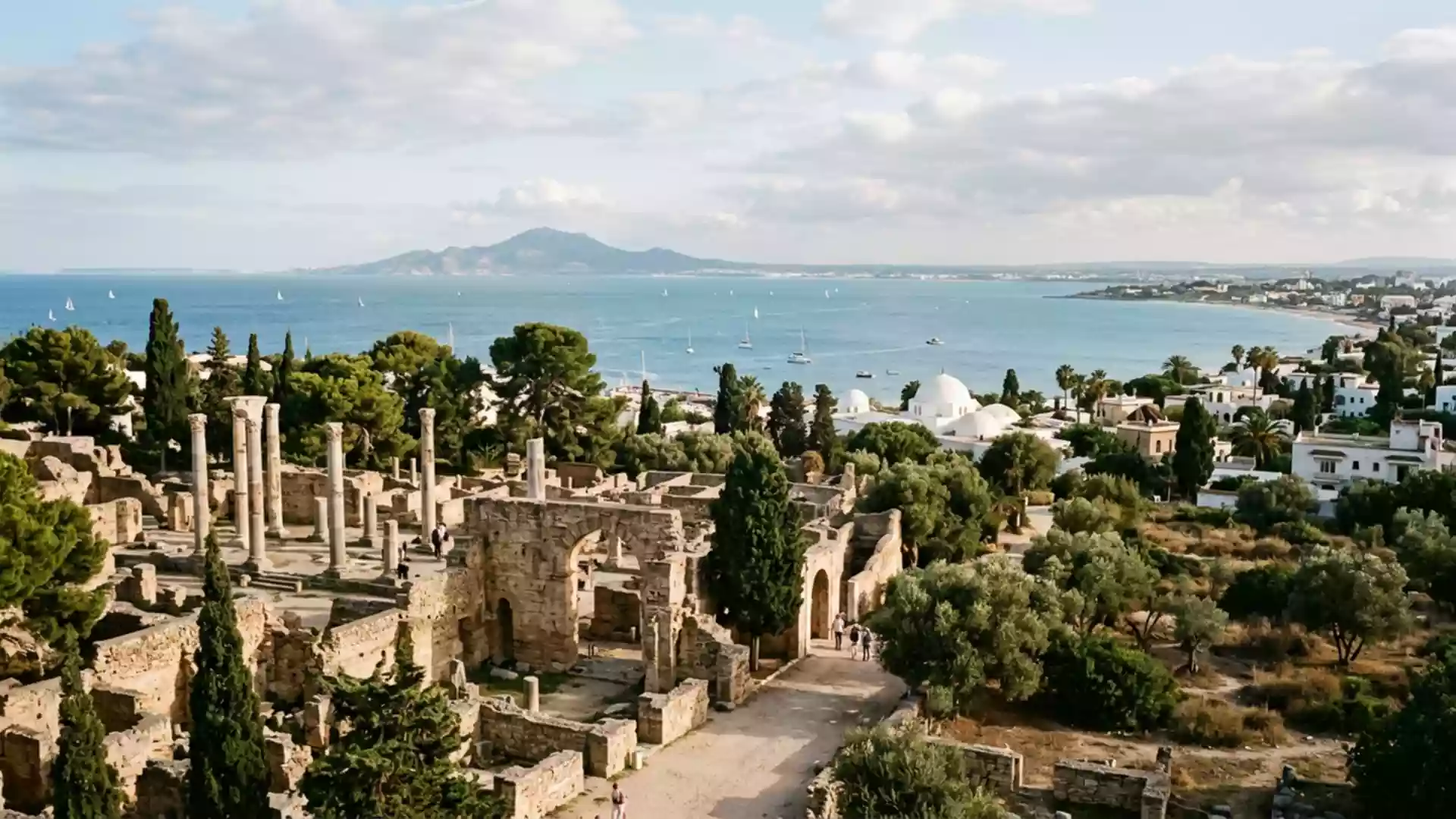
Carthage begins a new archaeological mission on 15 October
Published on 10/31/2026 at 12:10 | Editorial responsibility: Rafael Müller, Editor-in-Chief AD HOC NEWSResearch and preservation at the Punic ports
- The National Heritage Institute began the Tunisian-Chinese mission at the Punic ports on 15 October 2026.
- Researchers from Tunisia and China are carrying out excavations, surveys and collections work until 8 January 2027.
- UNESCO inscribed the Archaeological Site of Carthage on the World Heritage List in 1979.
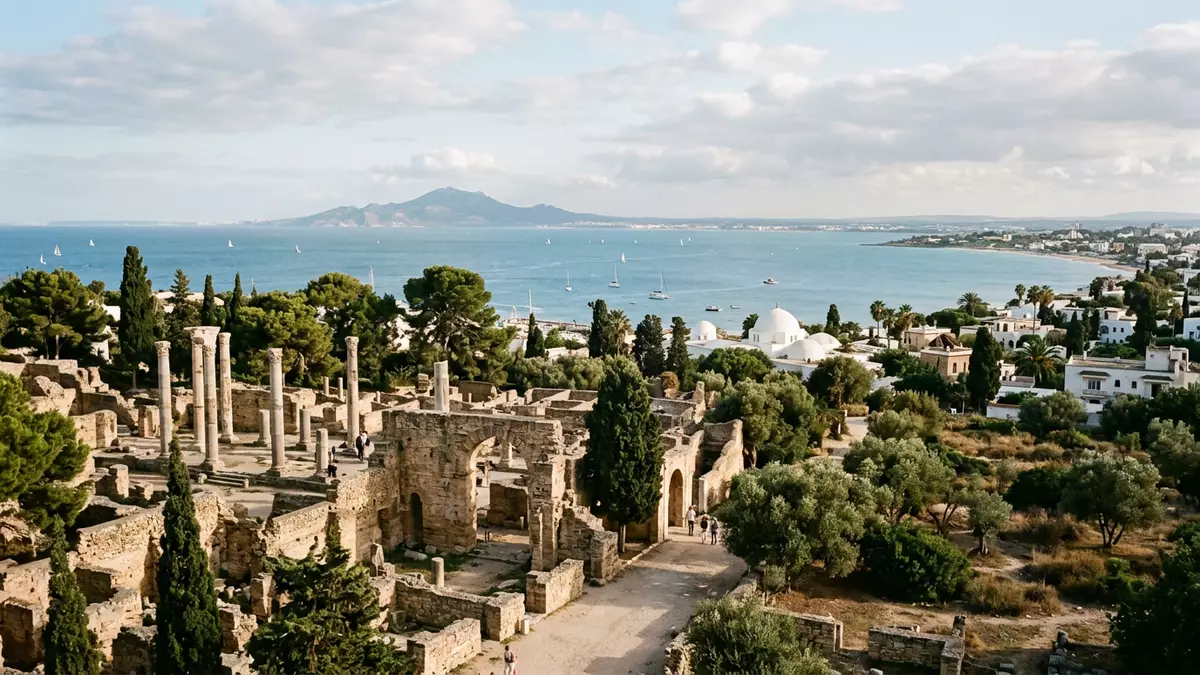
Carthage and its Punic ports are hosting a new archaeological mission from 15 October 2026, bringing Tunisian and Chinese researchers to the ancient site near Tunis. The work continues until 8 January 2027 and focuses on excavation, documentation and conservation.
Archaeological mission continues at the Punic ports
The project was launched by Tunisia's National Heritage Institute, known as the INP, in cooperation with China's National Centre for Archaeology, or NACA. The mission brings together researchers, specialists, heritage conservators and students from both countries.
The programme includes excavations at the Punic ports and studies of the remains and their immediate surroundings. Teams are also carrying out geometric and topographic surveys with modern technology, while archaeological collections found during the work are being studied and inventoried. Details of the mission published by Le Quotidien place the start on 15 October 2026 and the planned end on 8 January 2027.
The Punic ports connect research with conservation
The work is intended to prepare future measures to present and protect the Punic ports. That gives the current activity a direct link to what travellers encounter at the archaeological site: research is taking place alongside the recording and preservation of the remains.
The National Heritage Institute says the project covers both the site and its immediate environment. Its stated tasks combine field archaeology, technical surveying and the inventory of discoveries, rather than a single excavation campaign. The project is part of cooperation between the INP and NACA, with the two institutions working with academic and heritage specialists. The project announcement carried by La Presse and distributed by AllAfrica identifies the same dates and partners.
The archaeological site is part of a wider heritage landscape on the Gulf of Tunis. UNESCO records the Archaeological Site of Carthage as World Heritage property number 37, with the inscription dating from 1979. UNESCO's 2025 decision also refers to the site's conservation and management needs.
Why the 2026 fieldwork matters for the site
The Punic ports are not simply a background for the mission. They are the specific area being explored, surveyed and documented during the period ending on 8 January 2027. The resulting records are intended to support later heritage work and the long-term preservation of the port remains.
For visitors in Tunis, the current news is therefore a research programme at a named part of the archaeological site, not a new festival or a change to the site's regular visitor arrangements. The available announcement describes the scientific activity but does not state a special public programme or a separate visitor entrance.
Visiting Carthage: what travellers from Western Europe should know
- The archaeological mission at the Punic ports runs from 15 October 2026 to 8 January 2027.
- The work concerns excavations, studies, topographic surveys and the inventory of archaeological collections at the Punic ports.
- Carthage is the archaeological site near Tunis that UNESCO lists as World Heritage property number 37.
Searching for Carthage on social platforms
These links open searches for Carthage on each platform.
Frequently asked questions about Carthage
When does the archaeological mission take place at Carthage?
The Tunisian-Chinese mission runs from 15 October 2026 to 8 January 2027 at the Punic ports.
What is the mission doing at Carthage?
Researchers are excavating, studying remains, conducting geometric and topographic surveys, and inventorying archaeological collections.
Where is Carthage and how do you get there?
The archaeological site is near Tunis on the Gulf of Tunis. The verified project information identifies the location but does not specify a particular transport route or station.