Cau Vang and the Golden Bridge above Da Nang
Published on 08/07/2026 at 15:06 | Editorial responsibility: Rafael Müller, Editor-in-Chief AD HOC NEWS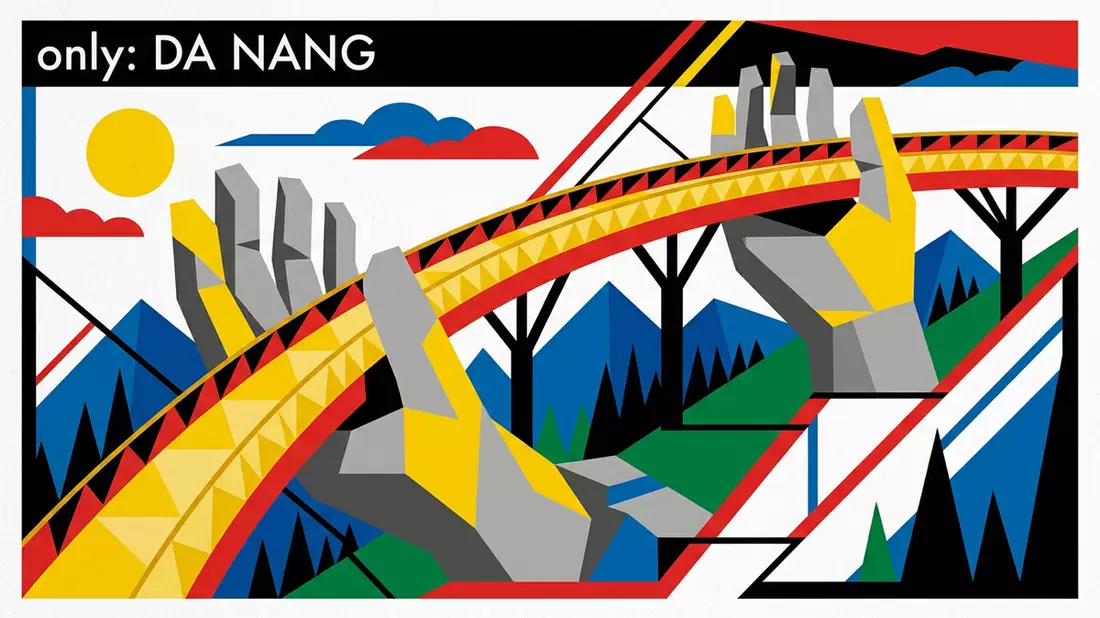
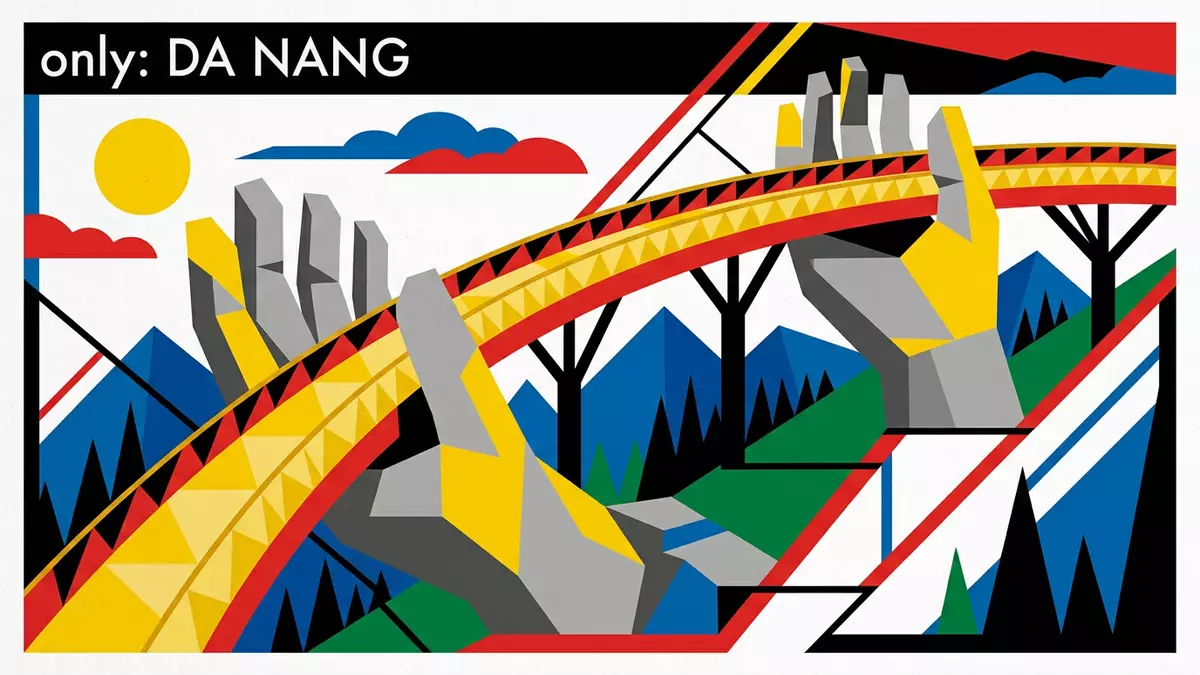
Cau Vang in Da Nang is best known as the Golden Bridge, a pedestrian span that curves above the hills of the Ba Na area. Its most striking feature is the pair of giant stone hands that seem to lift the bridge from the slope.
Cau Vang above the hills of Da Nang
The bridge is part of a mountain resort setting outside the city centre of Da Nang. It is a modern structure with a distinctive gold-coloured deck and a handrail line that runs across the arc.
The visual contrast is immediate: a light, contemporary bridge set against vegetation and mountain terrain. The hands give Cau Vang a sculptural presence that makes the structure easy to recognise from a distance.
A contemporary landmark with a sculptural frame
Cau Vang belongs to the late 2010s wave of destination architecture in Vietnam, where design and scenery are treated as one composition. The bridge is associated with Sun Group and the Ba Na Hills complex, both closely linked with Da Nang’s mountain tourism.
Its form is straightforward to read once you are on site: a pedestrian walkway, a sweeping curve, and the large supporting hands below. The bridge works as a viewing point as much as a crossing, with the landscape open on both sides.
The bridge as part of the Ba Na experience
Visitors usually encounter Cau Vang as one element within a larger mountain visit rather than as an isolated monument. The approach through the Ba Na Hills area places the bridge in a setting of cable transport, gardens and elevated viewpoints.
That mix gives the bridge a second life beyond photography. It functions as a route through a resort landscape while also acting as the main visual marker for the area.
Visiting Cau Vang: what travellers from Western Europe should know
- It is reached from Da Nang by road and by the cable car network that serves Ba Na Hills.
- Admission arrangements and opening hours are set by the site's operator and change with the season; the official website is the only binding source.
- Late morning and early afternoon give the clearest view of the bridge and the surrounding hills, while mist can soften the scene.
- The site involves height, steps and outdoor walking, so sturdy shoes are sensible.
- Vietnamese is used locally, and cashless payment may not be accepted everywhere on site; restrictions may apply on site.
- Entry requirements depend on your nationality. UK travellers should check the FCDO travel advice at gov.uk/foreign-travel-advice; Irish travellers the Department of Foreign Affairs at ireland.ie; EU and EEA citizens their own national foreign ministry.
Searching for Cau Vang on social platforms
These links open searches for Cau Vang on each platform.
Frequently asked questions about Cau Vang
Where is Cau Vang?
Cau Vang is in the Ba Na Hills area near Da Nang in central Vietnam. It sits in a mountain setting above the city.
What should visitors expect?
Expect a pedestrian bridge, wide views and a resort environment linked to cable transport and hillside attractions. The setting involves walking outdoors at altitude.
What makes Cau Vang distinctive?
The bridge is distinctive for its curved gold-toned span and the giant stone hands that appear to support it. That combination makes it one of the most recognisable modern landmarks in Da Nang.