
Centro Historico de San Jose and its historic barrios
Published on 08/15/2026 at 14:09 | Editorial responsibility: Rafael Müller, Editor-in-Chief AD HOC NEWS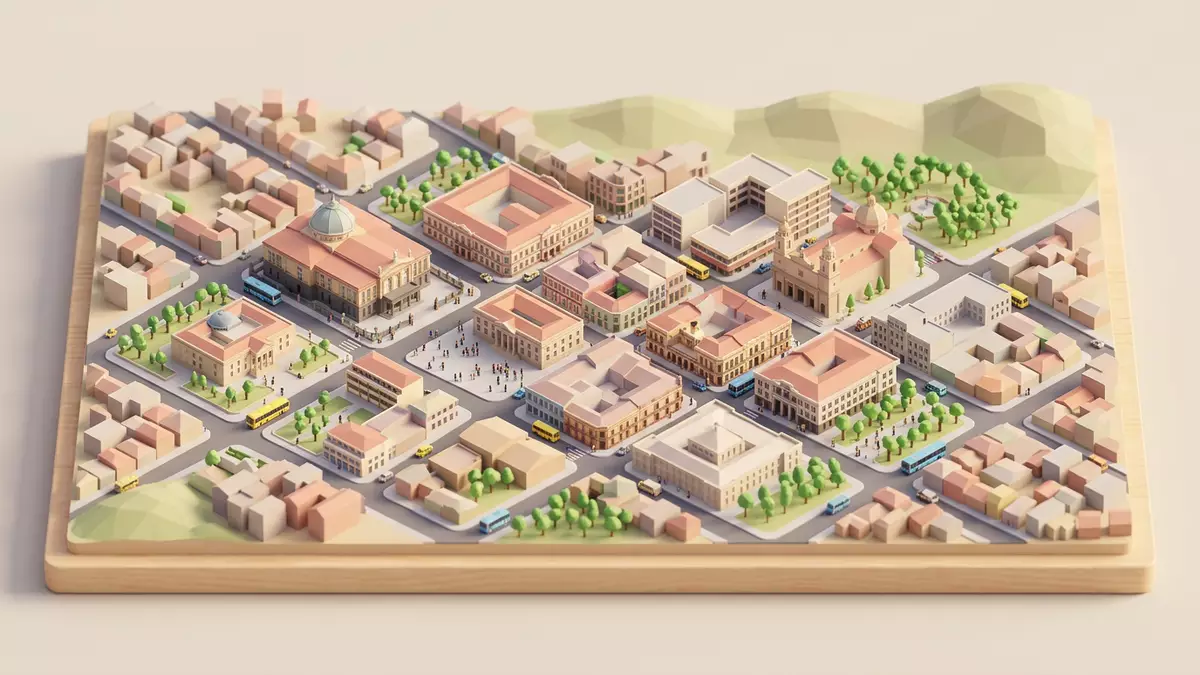
Centro Historico de San Jose is the compact historic core of San Jose, Costa Rica, where civic plazas meet the early residential barrios of Amón and Otoya in a walkable urban landscape. The roots of this district reach back to the eighteenth century, when Spanish colonists laid out the settlement that later became the Costa Rican capital, and its streets still carry architecture from the late nineteenth and early twentieth centuries.
From colonial town to national capital
The historic centre of San Jose grew from a modest colonial foundation into the political and cultural heart of Costa Rica over several centuries. Spanish settlers established a town here in the eighteenth century, and the settlement evolved into the capital as the country consolidated its institutions in the nineteenth century.Spanish colonists founded Villa Nueva de la Asunción in 1737 The historic core that visitors encounter brings together government buildings, churches, markets and theatres that reflect this role as the national capital.
Within Centro Historico de San Jose, the public face of the city appears in its plazas and institutions. The district contains the Catedral Metropolitana, which anchors one of the main squares, and the Teatro Nacional, an ornate theatre erected in the late nineteenth century as Costa Rica asserted its place in the cultural life of Central America.The Teatro Nacional stands beside the central avenues Nearby, the Mercado Central, founded in 1880, continues to operate as a dense covered market whose designation as a national heritage site underlines its importance in the urban fabric.The Mercado Central was founded in 1880 and is a national monument
Barrios Amón and Otoya: elegant residential hills
North-east of the commercial centre, Centro Historico de San Jose slopes up towards Barrio Amón and Barrio Otoya, two adjoining districts that preserve a concentration of historic houses built for coffee growers and the emerging bourgeoisie. Barrio Amón took shape as a residential project promoted by the French coffee entrepreneur Amón Fasileau Duplantier in the late nineteenth century, when he proposed turning his plantation into a neighbourhood of villas for the city’s elite.Barrio Amón developed as a residential project led by Amón Fasileau Duplantier Its streets, laid out on a hillside above the Río Torres, became one of the first elegant quarters of San Jose.
The architecture of Barrio Amón and neighbouring Barrio Otoya mixes styles from the turn of the twentieth century. Houses here incorporate Victorian, eclectic and neoclassical influences, often with timber frames, tiled roofs and decorative details that distinguish them from the adobe structures of earlier neighbourhoods.The barrios are known for Victorian, eclectic and neoclassical houses Many of these villas belonged to coffee barons and urban professionals, and several have been recognised as architectural heritage sites, including the Alianza Francesa building, Casa Obregón Loría and Hotel Britannia.Alianza Francesa, Casa Obregón Loría and Hotel Britannia are protected heritage buildings Today, many houses serve as small hotels, offices, cafés and cultural venues, yet the pattern of tree-lined streets and detached residences remains legible.
Streets, rivers and everyday life in the historic core
Centro Historico de San Jose is compact enough to cross on foot, and its layout can be read through the grid of avenues and streets that define both the commercial centre and the historic barrios. Barrio Amón is bounded to the north by the Río Torres and avenida 13, to the south by avenida 7, to the east by calle 9 and to the west by calle Alfredo Volio Jiménez, a set of clear edges that mark where the hillside neighbourhood meets the rest of the city.Barrio Amón is delimited by the Río Torres, avenida 13, avenida 7, calle 9 and calle Alfredo Volio Jiménez Within these boundaries, blocks of historic houses alternate with small parks and institutional buildings.
Walking south from Barrio Amón and Barrio Otoya brings visitors back to the denser commercial and civic part of Centro Historico de San Jose. Avenida Central carries most of the shops and everyday services, while the plazas around the cathedral and theatre open to public ceremonies and informal gatherings.Historic mansions sit above the commercial avenues North-east of downtown, the historic barrios are recognised in urban studies as a zone of cultural significance, where social, historical and aesthetic values converge and where dozens of buildings have been inventoried for their architectural qualities.Studies identify Amón and Otoya as a cultural significance zone with many heritage buildings
Visiting Centro Historico de San Jose: what travellers from Western Europe should know
- Centro Historico de San Jose lies in the central district of San Jose, with the cathedral and Teatro Nacional near Avenida Central and the historic barrios Amón and Otoya rising to the north-east.
- The terrain in Barrio Amón and Barrio Otoya climbs a noticeable slope above the Río Torres, and several streets include extended uphill sections and stairways between levels.
- San Jose is served by Juan Santamaría International Airport (SJO), and road connections link the airport to the historic centre and the central canton where the old barrios sit.
- The official language is Spanish and the currency is the Costa Rican colón.
- Entry requirements depend on your nationality; UK travellers can check the FCDO travel advice at gov.uk/foreign-travel-advice, Irish travellers the Department of Foreign Affairs at ireland.ie.
Searching for Centro Historico de San Jose on social platforms
These links open searches for Centro Historico de San Jose on each platform.
Frequently asked questions about Centro Historico de San Jose
Where is Centro Historico de San Jose located?
Centro Historico de San Jose is the historic core of San Jose, the capital of Costa Rica, centred on the main civic plazas and extending north-east towards Barrio Amón and Barrio Otoya.
What should visitors expect on a visit?
Visitors encounter a mix of civic buildings, markets and theatres in the commercial centre, alongside hillside streets lined with late nineteenth and early twentieth century villas in the historic residential barrios.
What makes Centro Historico de San Jose distinctive?
Its distinction lies in the way the national institutions of Costa Rica sit within walking distance of historic residential districts such as Barrio Amón and Barrio Otoya, where coffee-era architecture and heritage houses remain part of everyday urban life.


