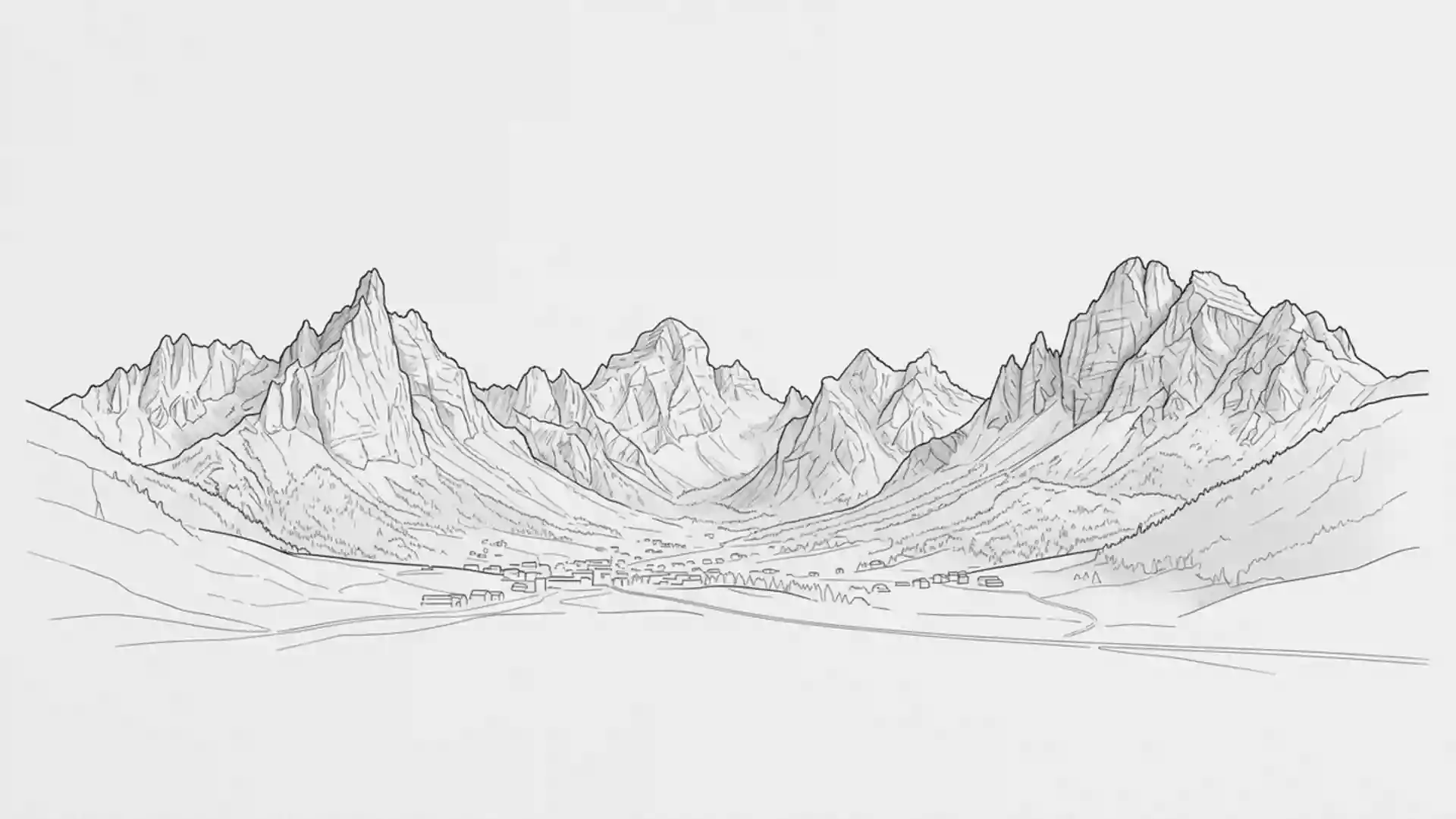
Dolomiti above Cortina d'Ampezzo
Published on 09/08/2026 at 17:03 | Editorial responsibility: Rafael Müller, Editor-in-Chief AD HOC NEWS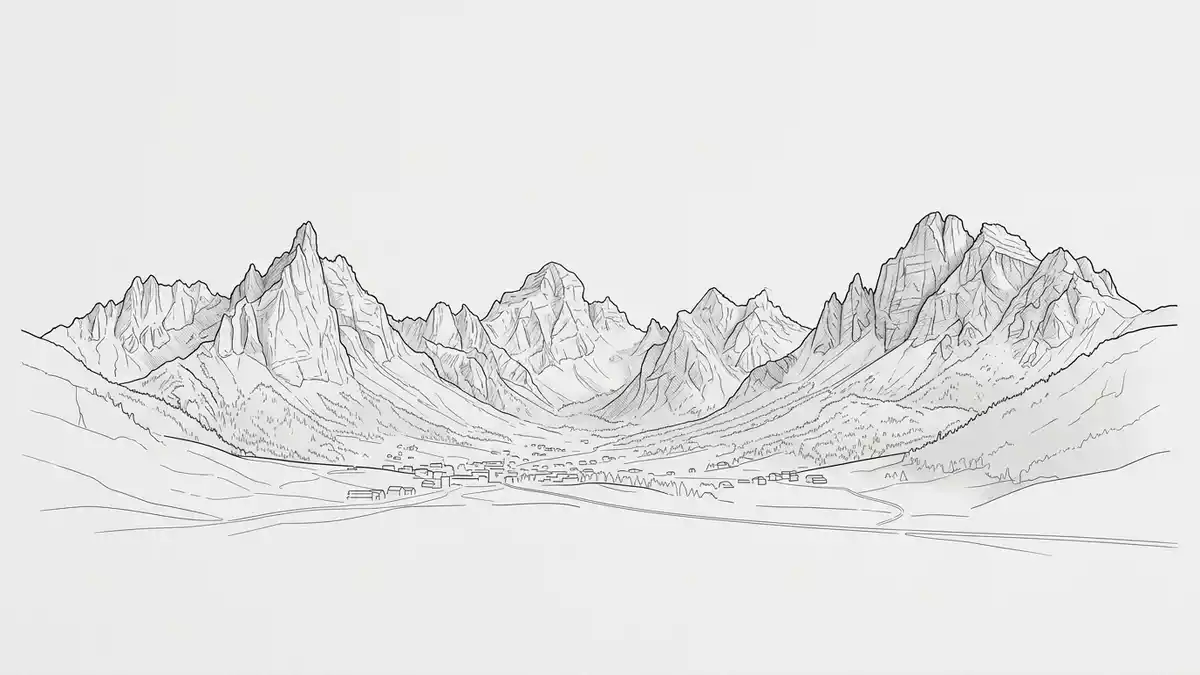
Dolomiti above Cortina d'Ampezzo form a high limestone landscape of pale walls, spires and valleys. The name points to the mountain region around the town rather than a single summit.
Dolomiti around Cortina d'Ampezzo
The mountains around Cortina belong to the wider Dolomite area, which has been part of UNESCO’s World Heritage List since 2009. Cortina d'Ampezzo sits among the southern systems of the range, with the Ampezzo basin opening between high ridges and steep-sided valleys.UNESCO World Heritage List
The surrounding rock is mainly dolomite, a carbonate rock that gives the mountains their light colour. In the Cortina area, the geology also preserves marine layers from the Triassic and later uplift linked to the Alps.Cortina d'Ampezzo
Rock, sea and uplift
The broad geological story reaches back to a warm tropical sea more than 200 million years ago. Coral reefs, lagoons and later tectonic movements shaped the rock sequence that makes the Dolomites recognisable today.complex geological events
The Ampezzo side of the Dolomites also contains younger deposits, including fossil-rich formations linked to the Rinaldo Zardini Museum in Cortina. That museum collection reflects the area’s marine past and the long record of sediment laid down before uplift.Rinaldo Zardini Museum
Valleys, massifs and the Ampezzo park
North of Cortina lies the Natural Park of the Ampezzo Dolomites, a protected mountain area that forms part of the wider Dolomite landscape. Its named massifs include Tofana, Fanis, Col Bechei, Croda Rossa d'Ampezzo and Cristallo.Natural Park of the Ampezzo Dolomites
These mountains are divided by valleys such as Val Travenanzes, Val di Fanes, Alta Valle del Boite and Val Felizon. The result is a country of separate massifs, not a single continuous ridge.Val Travenanzes
Visiting Dolomiti: what travellers from Western Europe should know
- Dolomiti around Cortina d'Ampezzo are reached by road from the Veneto side and from the routes through South Tyrol. The town is the main base for moving between valleys and mountain systems.
- The terrain is steep, with high rock walls, basins and long valley lines. Paths, passes and viewpoints follow the relief rather than a flat urban grid.
- The official language is Italian and the currency is the euro.
- Entry requirements depend on your nationality; UK travellers can check the FCDO travel advice at gov.uk/foreign-travel-advice, Irish travellers the Department of Foreign Affairs at ireland.ie.
Searching for Dolomiti on social platforms
These links open searches for Dolomiti on each platform.
Frequently asked questions about Dolomiti
Where are Dolomiti?
Dolomiti refers to the mountain region around Cortina d'Ampezzo in north-eastern Italy. The area belongs to the broader Alpine system and includes protected mountain landscapes north of the town.
What does a visit involve?
Expect steep valleys, high limestone masses and road connections between mountain basins. The landscape is built from separate ranges, so movement between viewpoints follows the geography closely.
What makes Dolomiti distinctive?
The combination of pale dolomite rock, Triassic marine origins and UNESCO recognition defines the area. Around Cortina d'Ampezzo, the mountains appear as isolated groups divided by named valleys.