
Forbidden City hosts a calligraphy exhibition from 30 September
Published on 10/04/2026 at 01:25 | Editorial responsibility: Rafael Müller, Editor-in-Chief AD HOC NEWS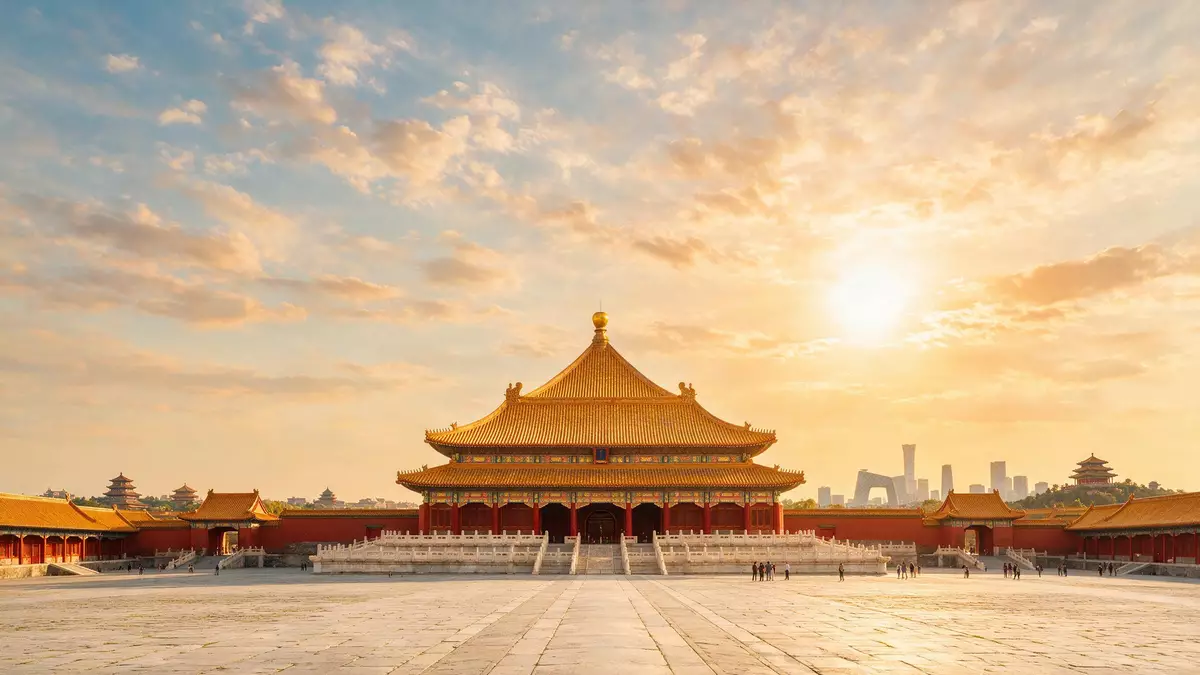
The Forbidden City (Gùg?ng) in Peking is presenting the second phase of its Tang and Song calligraphy exhibition from 30 September 2026. The display brings a current reason to revisit the former imperial palace while its autumn programme is under way.
Tang and Song calligraphy exhibition runs until 1 November
The exhibition, titled Canon: Tang and Song Painting and Calligraphy Exhibition, runs at the Palace Museum from 1 September to 1 November 2026. Its second phase, focused on Song-period painting and calligraphy, began on 30 September after a two-day changeover.
The display is located in Wenhua Hall and presents 107 works of ancient Chinese calligraphy, painting and inscription rubbings. The collection includes 103 works from the Palace Museum and four loans from the Shanghai Museum, Shanxi Museum and Henan Museum, as stated by the Palace Museum exhibition notice.
The first phase covered Tang and Five Dynasties works until 27 September. The second phase changes the emphasis to the two Song periods, giving the exhibition a clear break within its overall run.
Wenhua Hall places the exhibition inside a 600-year palace
Wenhua Hall stands on the eastern side of the Outer Court, a part of the palace complex associated with formal imperial functions. The exhibition therefore places works from the Tang and Song periods inside a later imperial setting shaped by Ming and Qing court history.
Construction of the palace complex took place between 1406 and 1420 under the Ming emperor Yongle. The Palace Museum was established in 1925, after the site had served as the imperial residence and political centre of the Ming and Qing dynasties.
The rectangular complex covers 720,000 square metres and contains 1,050 ancient buildings, according to a Beijing government account of its history. UNESCO describes the imperial palace as a testimony to Chinese civilisation during the Ming and Qing dynasties and lists it as part of the Ming and Qing imperial palaces World Heritage site.
That combination of a live exhibition and a preserved palace changes the practical focus of an autumn visit. The art is not shown in a separate modern museum district but within the historic court layout that the works now help visitors interpret.
Visiting Forbidden City: what travellers from Western Europe should know
- The second phase of the exhibition runs from 30 September to 1 November 2026 in Wenhua Hall.
- The palace uses Meridian Gate as its visitor entrance, while Gate of Divine Might and East Glorious Gate serve as exits. The exhibition requires a reservation through the Palace Museum system.
- The site is in central Peking. The route through the complex runs from south to north along its principal axis, so a visit involves substantial outdoor walking between courtyards and halls.
- The Forbidden City is in China, where Mandarin Chinese is the official language and the renminbi is the national currency.
- Entry requirements depend on your nationality; UK travellers can check the FCDO travel advice at gov.uk/foreign-travel-advice, Irish travellers the Department of Foreign Affairs at ireland.ie.
Searching for Forbidden City on social platforms
These links open searches for Forbidden City on each platform.
Frequently asked questions about Forbidden City
When does the Tang and Song calligraphy exhibition take place at Forbidden City?
The exhibition runs from 1 September to 1 November 2026, with the Song-focused second phase from 30 September to 1 November 2026.
Where is Forbidden City and how do you get there?
It is in central Peking, with visitors entering through Meridian Gate and leaving through Gate of Divine Might or East Glorious Gate.
What is Forbidden City?
It is the former imperial palace in Peking, built between 1406 and 1420 and now administered as the Palace Museum.


