

Future Bagan accelerates work at Bagan temples from 5 October
Published on 10/11/2026 at 03:34 | Editorial responsibility: Rafael Müller, Editor-in-Chief AD HOC NEWSKey points in brief
- Future Bagan accelerated conservation work at ancient temples in Bagan on 5 October 2026.
- The work in 2026 covered around 20 pagodas and included measures against plant growth, rainwater and mural damage.
- UNESCO records Bagan as a World Heritage site with 3,595 monuments on a bend of the Ayeyarwady River.
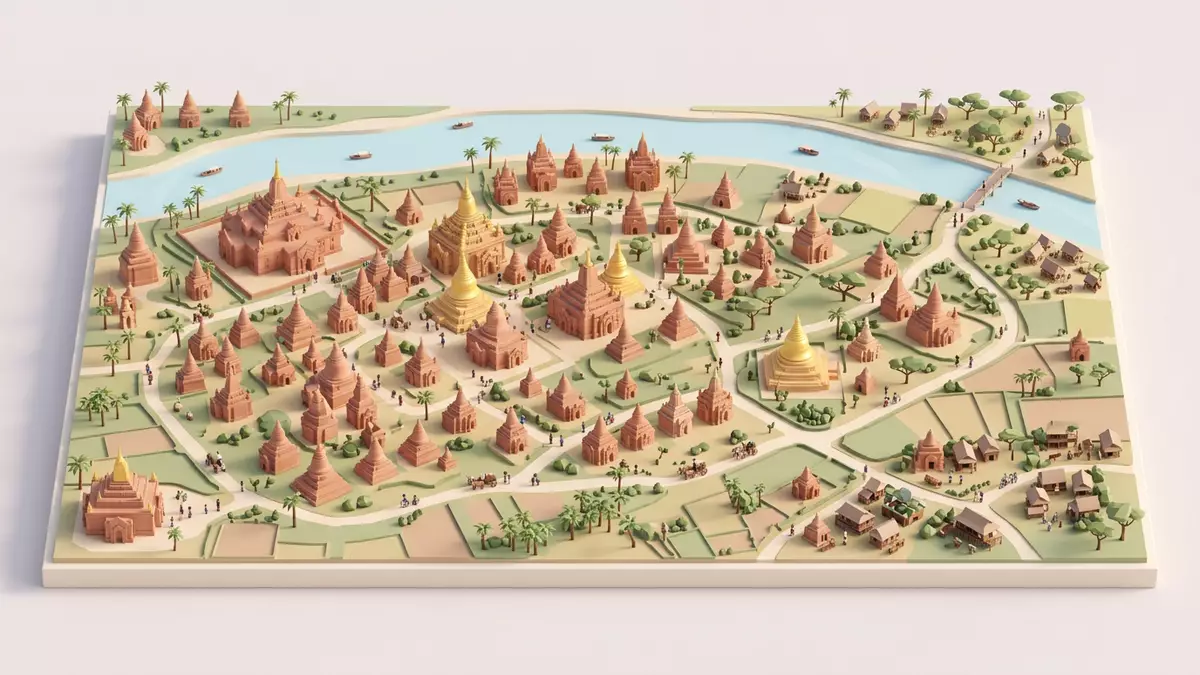
Future Bagan accelerated conservation work at ancient temples in Bagan on 5 October 2026, focusing on structures and murals within the archaeological zone. The work concerns a living Buddhist landscape in central Myanmar and gives travellers a current view of how local groups are protecting its monuments.
Future Bagan expands conservation work from 5 October
Future Bagan is a local residents’ association registered with the relevant ministry. In 2026, it had carried out conservation work at around 20 ancient pagodas in the Bagan area, including measures to remove trees growing on structures, fill gaps between ancient bricks and apply mortar where necessary. The group said the work is intended to prevent further deterioration.
The reported methods address several practical risks to the monuments. Chemicals are injected to remove plants, while filling gaps between bricks helps limit rainwater entering areas damaged by roots. The group is also continuing its conservation activity with local experts and volunteers, using its own funds. The 5 October conservation report names the Bagan ancient cultural zone as the setting for the work.
Bagan’s murals and 3,595 monuments shape the work
The conservation programme also covers the interiors of ancient temples. Metal grilles have been installed at entrances to limit access by bats and birds, while roller blinds have been fitted over windows and doors to control light and reduce fading of mural paintings. The report does not announce a general closure or a new entrance arrangement for visitors.
UNESCO describes Bagan as a sacred landscape on a bend of the Ayeyarwady River in Myanmar’s central dry zone. Its World Heritage property consists of eight components and 3,595 recorded monuments, including stupas, temples, inscriptions, murals and sculptures. The city was the capital of a regional empire during the eleventh to thirteenth centuries, which explains why conservation at individual pagodas also matters to the wider historic landscape. UNESCO’s Bagan description identifies tourism, development, environmental pressures and natural disasters among the factors affecting the property.
The current work links a local conservation initiative with the specific vulnerabilities recorded at the site. Plant roots threaten brick fabric, light can fade murals, and animals can damage painted interiors. These are small-scale interventions, but they concern the same architectural and artistic elements that give the World Heritage property its value.
Visiting Bagan: what travellers from Western Europe should know
- Future Bagan’s conservation work was reported on 5 October 2026 and is continuing during 2026 at ancient pagodas and temples in the Bagan ancient cultural zone.
- The report describes protective work at structures, murals and entrances, but it does not announce a general closure or a changed visitor route.
- The site lies on a bend of the Ayeyarwady River in Myanmar’s central dry zone and includes eight World Heritage components.
- Entry requirements depend on your nationality; UK travellers can check the FCDO travel advice at gov.uk/foreign-travel-advice, Irish travellers the Department of Foreign Affairs at ireland.ie.
Searching for Bagan on social platforms
These links open searches for Bagan on each platform.
Frequently asked questions about Bagan
What changed at Bagan on 5 October 2026?
Future Bagan accelerated conservation work at ancient pagodas and temples in the archaeological zone. The measures include plant removal, brick-gap filling, mortar repairs and protection for murals.
What is Bagan?
Bagan is a UNESCO World Heritage cultural landscape in central Myanmar with eight components and 3,595 recorded monuments. It includes Buddhist temples, stupas, monasteries, murals and sculptures.
Where is Bagan and how do you get there?
Bagan lies on a bend of the Ayeyarwady River in Myanmar’s central dry zone. The confirmed site information identifies the river setting and archaeological zone but does not specify a particular transport route.


