
Habana Vieja and the stone grid beside Havana Bay
Published on 09/24/2026 at 11:59 | Editorial responsibility: Rafael Müller, Editor-in-Chief AD HOC NEWS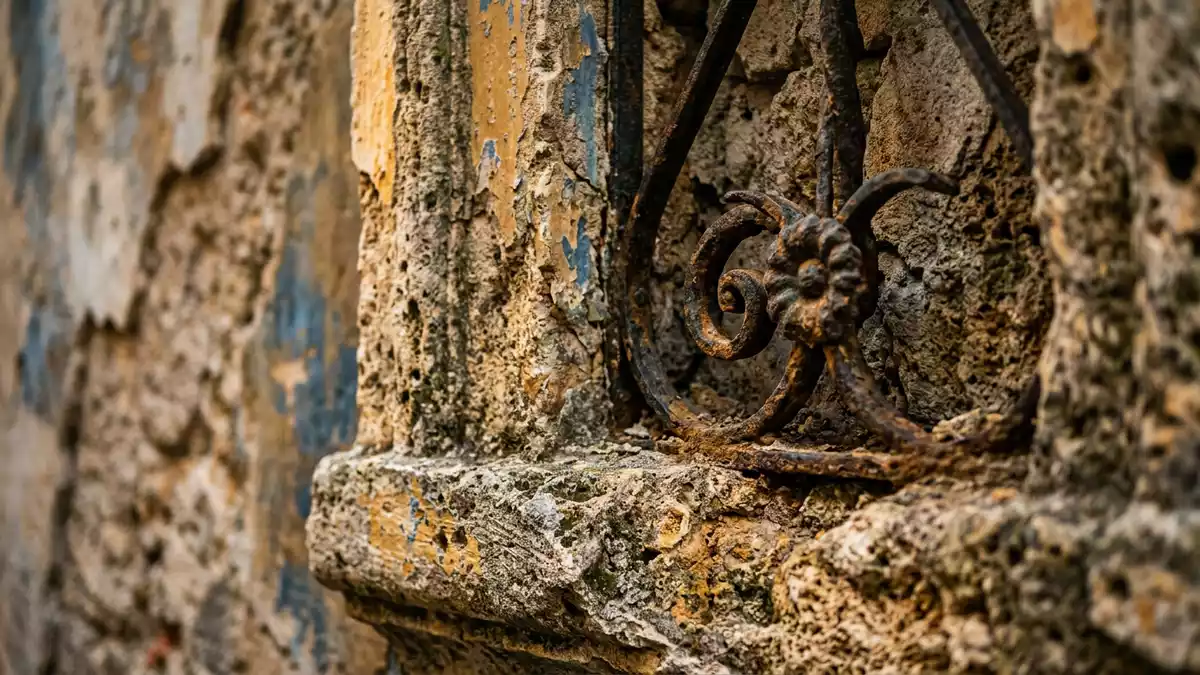
Habana Vieja is the historic centre of Havanna, arranged beside Havana Bay in a compact pattern of stone streets, plazas and harbour defences. Its buildings preserve a meeting of Spanish colonial, Baroque and Neoclassical forms, while the district remains a living part of Cuba’s capital.
Habana Vieja: streets shaped by the harbour
The district grew around the port and retains the urban fabric of the original Spanish settlement. Short streets connect squares, churches, civic buildings and private houses, while the waterfront opens towards the entrance of Havana Bay.
Arcades, balconies, wrought-iron grilles and internal courtyards recur across the old centre. Heavy masonry appears beside plastered façades, creating a varied streetscape within a coherent historic townscape. The district’s relationship with the harbour is also visible in the fortifications that form part of the World Heritage property.
Plazas, churches and colonial architecture
Habana Vieja is organised around named public spaces with different architectural characters. Plaza de Armas contains the Castillo de la Real Fuerza and civic buildings, while Plaza de la Catedral faces Havana Cathedral, whose Baroque façade is among the district’s most recognisable works.
Plaza Vieja brings together restored façades, arcades and domestic buildings around an open urban space. Plaza de San Francisco de Asís lies close to the harbour and the church and convent dedicated to Saint Francis of Assisi. Together, these places show how religious, military, commercial and residential buildings occupy the same historic centre.
The district contains structures from the sixteenth through the nineteenth centuries, including Spanish colonial houses, Baroque churches and Neoclassical buildings. Its architectural range is recorded in the Old Havana district description.
From fortified port to World Heritage district
The Castillo de la Real Fuerza is a stone fortress near Plaza de Armas. Completed in 1577, it belongs to the military architecture of the Spanish colonial period and remains closely connected with the bay and harbour entrance.
Habana Vieja and its fortification system entered the UNESCO World Heritage List in 1982. The designation covers the historic centre and defensive works as a cultural site, recognising an urban ensemble that includes monuments, homes, plazas and harbour structures.
The World Heritage property carries the formal name Old Havana and its Fortification System. Its World Heritage listing places Habana Vieja within the history of colonial port cities in the Caribbean.
The district is not a museum complex separated from daily life. Residential buildings, museums, churches, cultural venues and civic spaces occupy the same streets, giving the historic centre several functions within one preserved urban setting.
Visiting Habana Vieja: what travellers from Western Europe should know
- Habana Vieja lies beside Havana Bay in the centre of Havanna. It is reached through the city’s streets from the waterfront, with the port and the historic plazas forming its main geographic references.
- The district is explored on foot across stone streets, paved squares and narrow passages. Steps, uneven surfaces and changing pavement require attention around older buildings and fortified areas.
- The principal places are distributed across several plazas, including Plaza de Armas, Plaza de la Catedral, Plaza Vieja and Plaza de San Francisco de Asís.
- The official language is Spanish and the currency is the Cuban peso.
- Entry requirements depend on your nationality; UK travellers can check the FCDO travel advice at gov.uk/foreign-travel-advice, Irish travellers the Department of Foreign Affairs at ireland.ie.
Searching for Habana Vieja on social platforms
These links open searches for Habana Vieja on each platform.
Frequently asked questions about Habana Vieja
Where is Habana Vieja?
Habana Vieja occupies the historic centre of Havanna beside Havana Bay. The district extends around the old harbour, its plazas and its fortification system.
What can travellers see there?
Travellers encounter colonial houses, churches, museums, arcades, courtyards, civic buildings and fortified structures. The main public spaces include Plaza de Armas, Plaza de la Catedral, Plaza Vieja and Plaza de San Francisco de Asís.
What makes Habana Vieja distinctive?
Its distinctive character comes from the combination of a Spanish colonial street pattern, Baroque and Neoclassical buildings, and harbour defences. The historic centre and fortifications have held UNESCO World Heritage status since 1982.


