

Haeinsa Temple gains heritage status on 1 October 2026
Published on 10/11/2026 at 04:02 | Editorial responsibility: Rafael Müller, Editor-in-Chief AD HOC NEWSKey points in brief
- Haeinsa Temple received heritage protection for the Gukilam Hermitage outhouse on 1 October 2026.
- The 1910 building remains in its original form and continues to serve as a working temple outhouse.
- The designation covers a living space at Haeinsa Temple in Hapcheon, alongside two other Korean temple outhouses.
- Visitors to Haeinsa Temple can see the wider heritage complex and Tripitaka Koreana halls, while the newly protected outhouse is at Gukilam Hermitage.
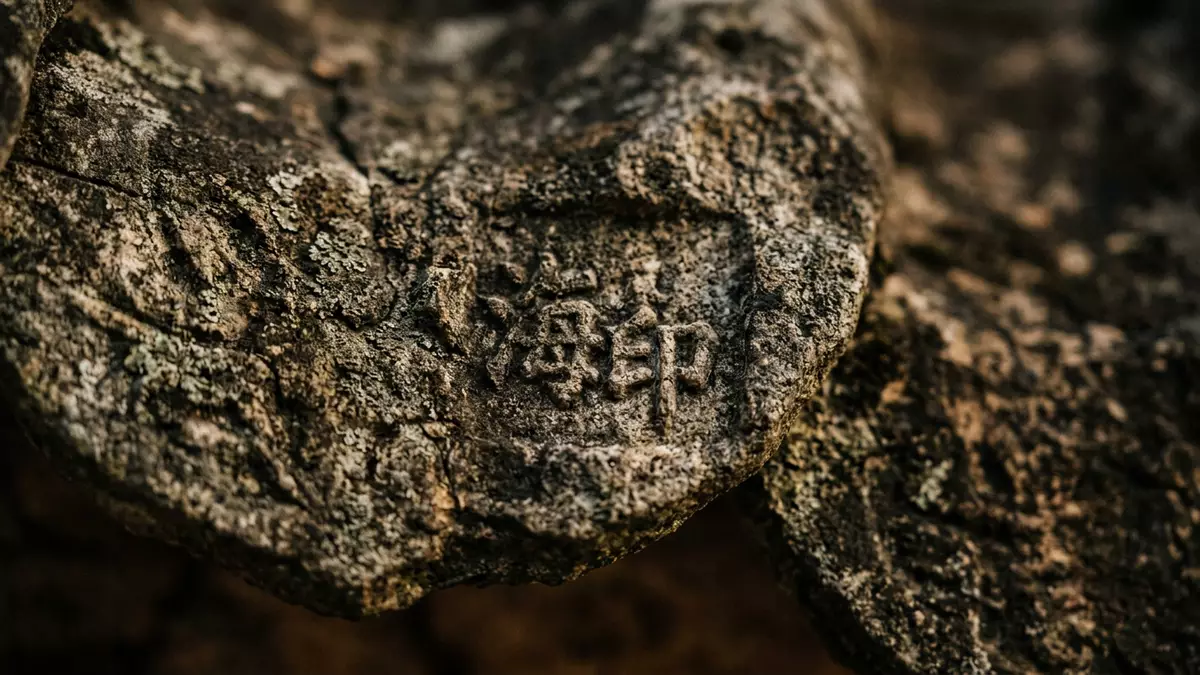
Haeinsa Temple gained a new heritage listing on 1 October 2026, when the Gukilam Hermitage outhouse became National Folklore Cultural Heritage in Hapcheon, South Korea. The designation adds a working monastic building to the site’s better-known religious and archival landmarks.
The protected building is the Haeuso at Gukilam Hermitage, part of the Haeinsa complex. It was built in 1910 and has remained in its original location, form and use for more than a century.
Haeinsa Temple gains protection for a 1910 outhouse
The Korea Heritage Service designated three temple outhouses as National Folklore Cultural Heritage on 1 October 2026. The other two are at Seonamsa Temple in Suncheon and Bodeoksa Temple in Yeongwol. The decision was reported by Seoul Economic Daily.
The designation recognises more than age. The three buildings retain documented construction histories, their original forms and continuing practical use. At Gukilam Hermitage, the 1910 construction date is recorded through an ink inscription made during the raising of the roof structure.
Traditional temple outhouses are known as haeuso, a term associated with releasing worries. Their inclusion in the national heritage register broadens attention from halls, pagodas and other spaces of formal worship to the buildings that supported everyday monastic life.
Why the new listing matters at Haeinsa Temple
The Gukilam building stands on sloping ground, a setting that shapes its architecture. Traditional examples have a single storey at the front and a two-storey pavilion-like structure at the rear, helping air and daylight move through the building.
The design described by the Korea Heritage Service includes an open layout without doors, chest-high partitions and latticed windows set at eye level. These details combine ventilation, natural light and views. The building also reflects an older practice of fermenting waste with rice husks and fallen leaves before returning the material to fields as fertiliser.
That practical detail gives the 1 October 2026 designation a direct connection to Haeinsa Temple as a living religious complex. The listing is not only about a surviving structure but also about the habits and systems that allowed a monastic community to function.
The wider complex is on Gayasan Mountain in Hapcheon and is associated with the Tripitaka Koreana. Its Janggyeong Panjeon storage halls form part of the UNESCO World Heritage property registered in 1995, while the woodblocks themselves are also recognised in the UNESCO Memory of the World programme. A visitor guide records the Haeinsa Temple location and heritage setting.
Visiting Haeinsa Temple: what travellers from Western Europe should know
- The heritage change took effect on 1 October 2026 and concerns the Haeuso at Gukilam Hermitage within the Haeinsa complex.
- The designation does not announce a new visitor attraction or a change to access. The protected building remains a working temple outhouse, so travellers should not assume that its interior is open for viewing.
- Haeinsa Temple is in Hapcheon, South Korea, on Gayasan Mountain. Public transport routes commonly use Hapcheon Bus Terminal or Goryeong Bus Terminal before a local connection to the temple area.
- The site includes sloping ground and traditional buildings spread through a mountain temple complex. The Gukilam Haeuso itself has a structure adapted to a slope, with different levels at the front and rear.
- South Korea uses Korean as its official language and the South Korean won as its national currency.
- Entry requirements depend on your nationality; UK travellers can check the FCDO travel advice at gov.uk/foreign-travel-advice, Irish travellers the Department of Foreign Affairs at ireland.ie.
Searching for Haeinsa Temple on social platforms
These links open searches for Haeinsa Temple on each platform.
Frequently asked questions about Haeinsa Temple
What changed at Haeinsa Temple on 1 October 2026?
The Gukilam Hermitage outhouse became National Folklore Cultural Heritage on 1 October 2026. The building was constructed in 1910 and remains in use.
Where is Haeinsa Temple and how do you get there?
Haeinsa Temple is on Gayasan Mountain in Hapcheon, South Korea. Public transport connections commonly run through Hapcheon Bus Terminal or Goryeong Bus Terminal.
What is Haeinsa Temple known for?
The complex is associated with the Tripitaka Koreana and the Janggyeong Panjeon storage halls, which form part of a UNESCO World Heritage property registered in 1995.


