

Hagia Sophia reveals Roman tunnels on 17 October
Published on 10/18/2026 at 06:55 | Editorial responsibility: Rafael Müller, Editor-in-Chief AD HOC NEWS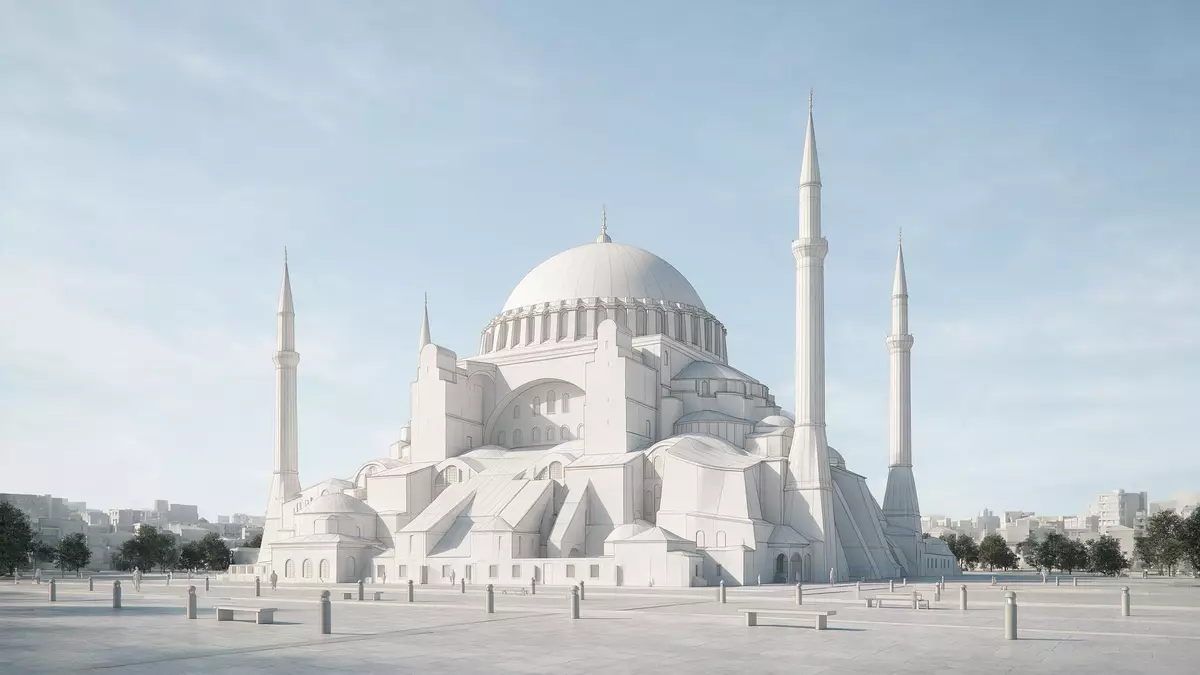
New findings beneath Hagia Sophia (Ayasofya-i Kebir Cami-i Serifi) in Istanbul were presented on 17 October 2026, when archaeologists reported clearing 3,000 tons of mud and debris from Roman tunnels. The research adds an underground dimension to the monument's restoration and may eventually lead to a new visitor route.
Roman tunnels beneath Hagia Sophia come into view
Professor Hasan Firat Diker, a member of the site's Scientific Board, presented the findings during The Archaeology of Hagia Sophia, a talk at the BlackBox venue inside the Is Sanat Painting and Sculpture Museum in Istanbul. The presentation formed part of the Istanbul Conversations series organised by Is Sanat and moderated by Cengiz Ozdemir.
The research concerns an extensive network beneath the monument and its surrounding area. According to the presentation, Roman engineers used the underground infrastructure for water distribution and drainage, while some passages also provided protected space. A report on the archaeological findings said the work has revealed structures that predate the present building.
New archaeology connects the monument to older layers
Researchers have cleared 170 metres (558 ft) of an underground route linked to a Roman street from the fifth century. The route extends from the Sarayburnu area towards Little Hagia Sophia, while further work has examined a hypogeum, or underground burial structure, in the northeastern section.
The present building is the third structure constructed on the site. Earlier buildings were destroyed by fire and during the Nika riots, and the foundations of the first Hagia Sophia lie about 2.3 metres (7.5 ft) below the current structure. These layers explain why the October findings relate not only to the mosque above ground but also to the changing city beneath it.
The underground work forms part of wider conservation activity. A previous restoration update reported that worship and visitor access continued while teams worked on the structure, including its dome and gallery. The current discoveries give that continuing programme a more concrete archaeological focus: the routes beneath the monument are being cleared before any decision on public access.
Possible exhibition would follow restoration work
The Scientific Board is working towards making larger sections of the underground infrastructure accessible, but the presentation did not announce an opening date. Instead, the research team is considering an exhibition project that could present the archaeological remains once suitable areas have been made safe.
That distinction matters for travellers. The October 2026 news concerns excavation and documentation, not a newly opened underground attraction. The possible future display would depend on the completion of restoration and on a decision about which sections can safely receive visitors.
Visiting Hagia Sophia: what travellers from Western Europe should know
- The archaeological findings were presented on 17 October 2026 at the BlackBox venue inside the Is Sanat Painting and Sculpture Museum in Istanbul, while the tunnels themselves lie beneath Hagia Sophia.
- The underground sections are not announced as open to visitors on 17 October 2026. The Scientific Board is considering future access and an exhibition after restoration work.
- The relevant place is Hagia Sophia in Istanbul. The report identifies the monument and underground routes, but does not announce a public transport arrangement for the archaeological work.
- The underground areas include mud-filled passages, a fifth-century Roman street and a hypogeum. Travellers should not treat the research areas as an ordinary sightseeing route.
- The current finding concerns archaeology beneath an active historic monument, with conservation and structural work continuing above and below ground.
Searching for Hagia Sophia on social platforms
These links open searches for Hagia Sophia on each platform.
Frequently asked questions about Hagia Sophia
When were the underground findings presented?
The findings were presented in Istanbul on 17 October 2026 during a talk by Professor Hasan Firat Diker.
Can visitors enter the tunnels beneath Hagia Sophia?
The underground sections have not been announced as open to visitors. The Scientific Board is considering safe access and a future exhibition after restoration work.
Where is Hagia Sophia and how do you get there?
Hagia Sophia is in Istanbul. The October 2026 report identifies the monument and its underground infrastructure but does not provide a transport route for the archaeological areas.


