

Herculaneum reopens two houses on 21 October
Published on 10/11/2026 at 04:05 | Editorial responsibility: Rafael Müller, Editor-in-Chief AD HOC NEWSKey points in brief
- Herculaneum Archaeological Park will reopen the House of the Mosaic Atrium and the Wattle-and-Daub House on 21 October 2026.
- The reopening is part of the Domus Project, a conservation programme led by the Archaeological Park of Herculaneum.
- The site forms part of a UNESCO World Heritage property shaped by the eruption of Vesuvius in AD 79.
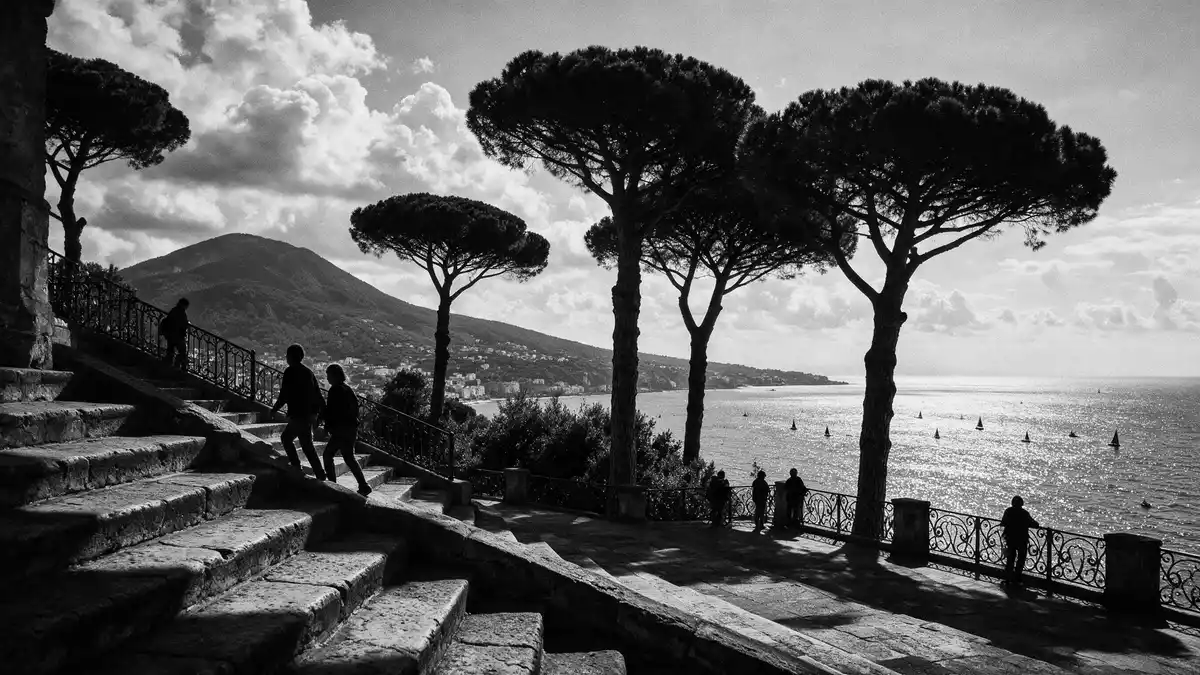
Herculaneum Archaeological Park (Ercolano) will reopen the House of the Mosaic Atrium and the Wattle-and-Daub House on 21 October 2026, bringing two ancient residences back into the public route after decades of closure. The reopening in Ercolano, Italy, forms a new stage of the Domus Project, the park's conservation programme for important houses within the Roman town.
Herculaneum reopens two ancient houses on 21 October
The Archaeological Park of Herculaneum announced the reopening on 9 October 2026. The programme is led by director Federica Colaiacomo, and the two residences are described by the park as among the most important homes in the ancient city.
The reopening is scheduled for Wednesday, 21 October 2026. The announcement names both the House of the Mosaic Atrium and the Wattle-and-Daub House, giving visitors a specific change to look for during an autumn visit rather than a general restoration update. The park's reopening announcement for 21 October places the date and the site in the same notice.
Domus Project links conservation with domestic spaces
The Domus Project is focused on the conservation of ancient houses. Its latest reopening therefore adds residential architecture to the visitor experience, showing how the park's restoration work is being connected with the rooms and buildings that formed the ancient town.
The site is part of the UNESCO World Heritage property Archaeological Areas of Pompei, Herculaneum and Torre Annunziata. UNESCO says the property includes the ancient towns of Pompeii and Herculaneum and that the remains have been progressively excavated and made accessible since the mid-eighteenth century. The UNESCO World Heritage record also identifies the smaller town's well-preserved public buildings, shops and houses as part of its significance.
The timing gives the reopening a clear connection to the character of the ancient settlement. The House of the Mosaic Atrium and the Wattle-and-Daub House are not detached museum objects; they are domestic buildings within the excavated town, so the 21 October change concerns the way visitors encounter the residential fabric of the site.
What the 21 October reopening adds to the ancient town
Herculaneum was buried when Vesuvius erupted in AD 79. UNESCO records that pyroclastic surges and flows covered the town, helping preserve upper floors, organic materials and everyday objects that are less often retained at other Roman sites.
That preservation makes the reopening of two houses relevant beyond the restoration programme itself. Visitors will find additional residential spaces within an archaeological landscape where conservation and access remain closely linked. Large parts of the ancient town still lie beneath modern Ercolano, while the excavated area presents streets, public buildings and homes together.
Visiting Herculaneum Archaeological Park: what travellers from Western Europe should know
- The two houses are scheduled to reopen on 21 October 2026 at the Archaeological Park of Herculaneum in Ercolano.
- The change concerns access to the House of the Mosaic Atrium and the Wattle-and-Daub House, which had been closed for decades.
- The park is in Ercolano, south-east of Naples, in the Campania region of Italy. UNESCO lists the archaeological area at coordinates 40 degrees 48 minutes north and 14 degrees 20 minutes east.
- The visitor route crosses an excavated Roman town with paved streets, domestic buildings and public structures. Narrow passages, uneven surfaces and archaeological remains require careful walking.
- Italy's official language is Italian and its national currency is the euro.
Searching for Herculaneum Archaeological Park on social platforms
These links open searches for Herculaneum Archaeological Park on each platform.
Frequently asked questions about Herculaneum Archaeological Park
When does the reopening take place at Herculaneum Archaeological Park?
The House of the Mosaic Atrium and the Wattle-and-Daub House are scheduled to reopen on 21 October 2026.
What is changing at Herculaneum Archaeological Park?
Two ancient residences are returning to the public route after decades of closure as part of the Domus Project.
Where is Herculaneum Archaeological Park and how do you get there?
The archaeological park is in Ercolano, in Italy's Campania region, south-east of Naples.


