

Hierve el Agua’s petrified waterfalls above the Oaxaca valleys
Published on 08/18/2026 at 15:00 | Editorial responsibility: Rafael Müller, Editor-in-Chief AD HOC NEWS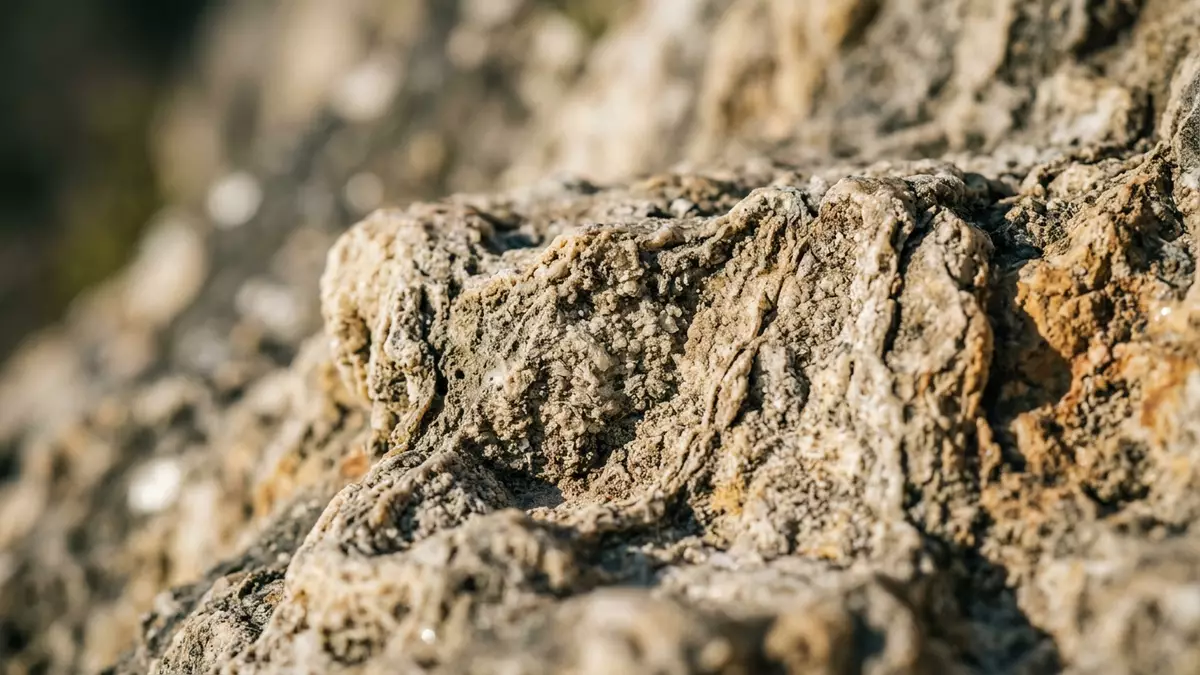
High above the valleys of Oaxaca, Hierve el Agua is a rare landscape where mineral springs have slowly built vast petrified waterfalls along the edge of a mountain plateau. The site lies in the municipality of San Lorenzo Albarradas in southern Mexico and combines dramatic white cliffs with terraces and pools fed by spring water rich in dissolved minerals.
Petrified waterfalls shaped by mineral springs
Hierve el Agua is best known for its petrified waterfalls, great sweeps of pale rock that hang over the valley like frozen cascades. The formations are travertine, a kind of limestone created as mineral-rich spring water flows over the edge of the plateau and evaporates, leaving behind layers of calcium carbonate that harden into stone over thousands of years.travertine rock formations The Spanish name “Hierve el Agua”, meaning “the water boils”, refers to the bubbling motion of the springs as they rise to the surface rather than to the temperature of the water itself.the origin of the name
The cliffs at Hierve el Agua form two main shelves above the valley, from which the petrified waterfalls descend. The larger fall, often called Cascada Grande, drops from the plateau in a broad curtain of white and ochre stone, while the smaller Cascada Chica forms a shorter, more compact flow nearby.larger and smaller cascades Both were created by relatively modest amounts of spring water loaded with minerals such as calcium carbonate and magnesium, seeping through fissures in the mountain and spilling over the edge so consistently that the rock built up into vertical ridges and folds.mineral-rich bubbling springs
A highland plateau with views over Oaxaca’s valleys
Geographically, Hierve el Agua sits in mountainous terrain east of Oaxaca City, in the Central Valleys region where ridges of the Sierra Mixe and related ranges frame cultivated valley floors. The site occupies a plateau above the village of San Isidro Roaguía, with the petrified waterfalls dropping from the edge of the escarpment towards the valley far below.roughly 70 km south-east of Oaxaca de Juarez The cliffs themselves rise tens of metres from the valley floor, creating a clear visual boundary between the cultivated land below and the mineral terraces above.rock shelves rising from the valley
From the plateau, the view takes in layered ridges and the patchwork of fields in the valley system. Paths trace the outline of the cliffs and lead to viewpoints where the white rock of the falls can be seen against the darker mountain slopes. The setting combines exposed rock with sparse vegetation, creating contrasts between the smooth surfaces created by mineral deposition and the rougher natural faces of the surrounding sandstone and limestone hills.petrified waterfalls above valley farmland
Terraces, pools and walking routes around the falls
On the plateau above the cliffs, the mineral springs feed terraces and pools that have developed as the dissolved minerals settled out around the outlets. The water emerges from several points in the ground, forming shallow basins where it gathers before spilling over the edge to continue building the petrified waterfalls. These terraces have a pale surface with subtle ripples and rims that mark the boundaries between one basin and the next.spring-fed mineral pools and terraces In some places the mineral deposits have formed natural ledges where the surface drops away sharply towards the valley, underlining how closely the pools sit to the cliffs.
Footpaths around Hierve el Agua give access to different vantage points on the cascades and the surrounding landscape. A path descends from the plateau towards the base of Cascada Grande, allowing a close look at the vertical ridges and banding created by centuries of mineral deposition.walking access along the formation Other tracks stay near the top of the cliffs and pass beside the pools, where the spring outlets and the edges of the terraces are visible. The combination of accessible paths and exposed cliff edges means that very little stands between visitors and the geological structures that define the site.
Visiting Hierve el Agua: what travellers from Western Europe should know
- Hierve el Agua lies in the municipality of San Lorenzo Albarradas in the state of Oaxaca, reached from Oaxaca City by road through the Central Valleys and the village of Mitla.
- The site occupies a mountain plateau above San Isidro Roaguía, with paths that follow the cliff edge and descents on foot to viewpoints below the petrified waterfalls.
- The terrain combines exposed rock surfaces with uneven mineral terraces and slopes, so walking around the cascades involves steps, gradients and sections of rough ground close to drops.
- The area around Hierve el Agua has a highland climate with strong sun on clear days; visitors are exposed on the plateau without extensive natural shade.
- The official language is Spanish and the currency is the Mexican peso. Entry requirements depend on your nationality; UK travellers can check the FCDO travel advice at gov.uk/foreign-travel-advice, Irish travellers the Department of Foreign Affairs at ireland.ie.
Searching for Hierve el Agua on social platforms
These links open searches for Hierve el Agua on each platform.Frequently asked questions about Hierve el Agua
Where is Hierve el Agua located?
Hierve el Agua is in the municipality of San Lorenzo Albarradas in the state of Oaxaca, on a mountain plateau above the village of San Isidro Roaguía.
What can visitors expect on a visit?
Visitors encounter travertine terraces fed by mineral springs, cliff-edge pools and paths that lead along and below petrified waterfalls with broad views over the surrounding valleys.
What makes Hierve el Agua distinctive?
Hierve el Agua is distinctive for its large petrified waterfalls formed by mineral-rich spring water, combined with accessible terraces and pools situated directly above the valley cliffs.


