

Jeonju Hanok Village hosts traditional parade until 31 October
Published on 10/18/2026 at 08:10 | Editorial responsibility: Rafael Müller, Editor-in-Chief AD HOC NEWS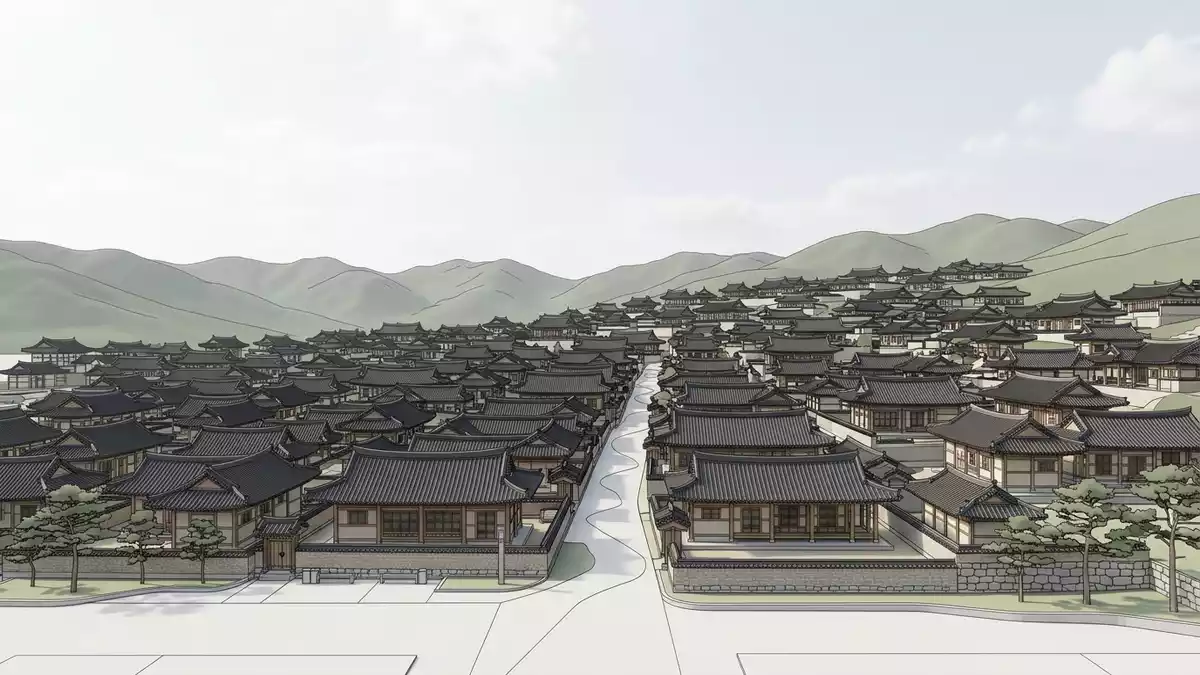
Jeonju Hanok Village hosts the Traditional Performance Parade in Jeonju, South Korea, through 31 October 2026. The official programme lists performances every Saturday at 3pm, giving visitors a scheduled cultural event during the final weeks of October.
Jeonju Hanok Village keeps its Saturday parade on the programme
The parade is scheduled from 18 April to 31 October 2026. It is listed as a weekly Saturday performance, with the programme describing a traditional show that brings scenes of Jeonju from 130 years ago into the village streets.
The published route runs between Cheongyeonru and Namcheongyo in Jeonju Hanok Village. The official cultural programme also records the performance period as 18 April to 31 October and identifies the village as the setting. The final scheduled Saturday is 31 October 2026, inside the current travel window. The official parade programme provides the date range and venue details.
The parade connects Jeonju streets with living heritage
The performance is built around the streets rather than a single indoor theatre. That makes the route itself part of the experience, linking a scheduled cultural programme with the traditional urban district that visitors come to explore.
The custodian's English information describes the village as Korea's largest traditional hanok district and the only one located in the centre of a city. Its current status lists 735 hanok buildings among 947 buildings, spread across the Pungnam-dong and Gyo-dong areas of Wansan-gu.
The district includes around 20 cultural facilities, including Gyeonggijeon, Omokdae and Hyanggyo. The Korea Tourism Organisation overview also describes the village as an urban traditional district of around 700 hanok buildings, with its development centred on historic sites such as Gyeonggijeon Shrine, Omokdae and Jeonjuhyanggyo Confucian Academy.
October visitors find performances along the historic route
The arrangement matters for travellers because the event is encountered outdoors while moving through the village. The performance route ties the Saturday programme to the same streets, bridges and traditional buildings that define the district, rather than placing the event away from the visitor area.
Jeonju Hanok Village is therefore both the destination and the venue for the remaining performances. The programme gives a precise date, weekly pattern and route for visitors planning a visit before the listed closing date of 31 October 2026.
Visiting Jeonju Hanok Village: what travellers from Western Europe should know
- The Traditional Performance Parade is scheduled through 31 October 2026, with performances every Saturday at 3pm between Cheongyeonru and Namcheongyo.
- The event takes place outdoors along the village route, so visitors should expect a street performance rather than a show in one enclosed venue.
- The village is in the Pungnam-dong and Gyo-dong areas of Wansan-gu, Jeonju. The official tourist information centre is listed at 99 Girin-daero.
- South Korea's official language is Korean and its national currency is the South Korean won.
- Entry requirements depend on your nationality; UK travellers can check the FCDO travel advice at gov.uk/foreign-travel-advice, Irish travellers the Department of Foreign Affairs at ireland.ie.
Searching for Jeonju Hanok Village on social platforms
These links open searches for Jeonju Hanok Village on each platform.
Frequently asked questions about Jeonju Hanok Village
When does the Traditional Performance Parade take place at Jeonju Hanok Village?
The parade is scheduled every Saturday through 31 October 2026, with the official programme listing a 3pm performance.
Where is Jeonju Hanok Village and how do you get there?
It is in the Pungnam-dong and Gyo-dong areas of Wansan-gu in Jeonju, South Korea. The official tourist information centre is at 99 Girin-daero.
What is Jeonju Hanok Village?
It is an urban traditional district with 735 hanok buildings among 947 listed buildings and cultural facilities including Gyeonggijeon, Omokdae and Hyanggyo.


