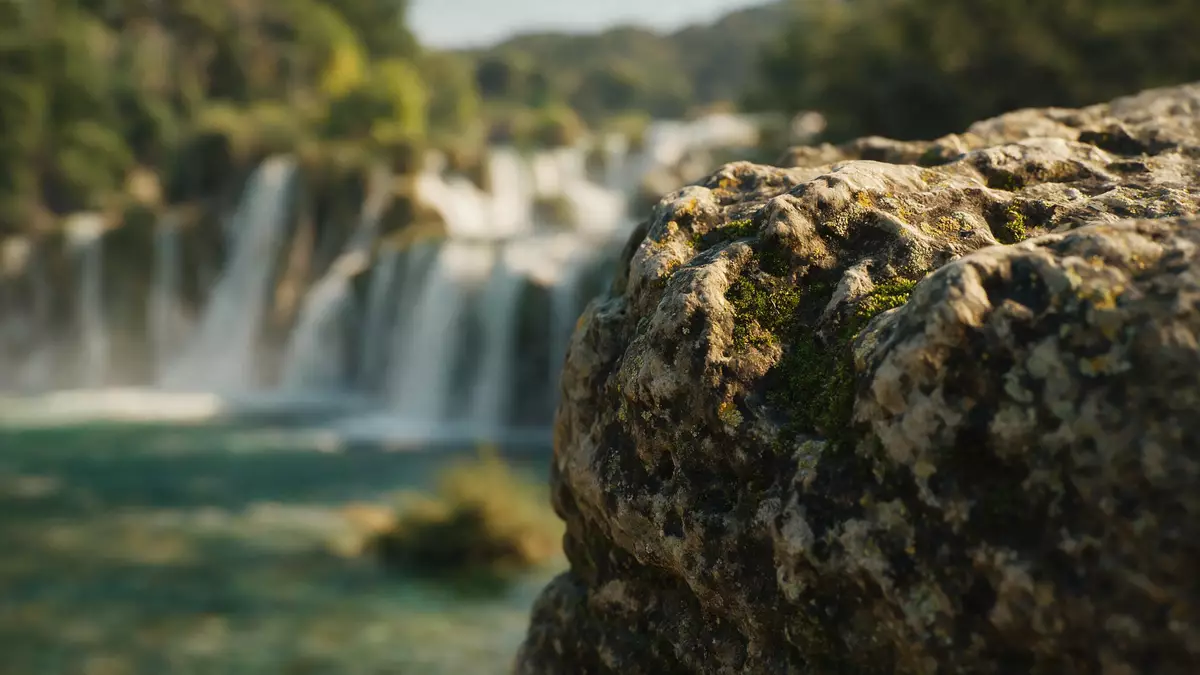
Krka National Park and its waterfalls near Sibenik
Published on 08/10/2026 at 15:06 | Editorial responsibility: Rafael Müller, Editor-in-Chief AD HOC NEWS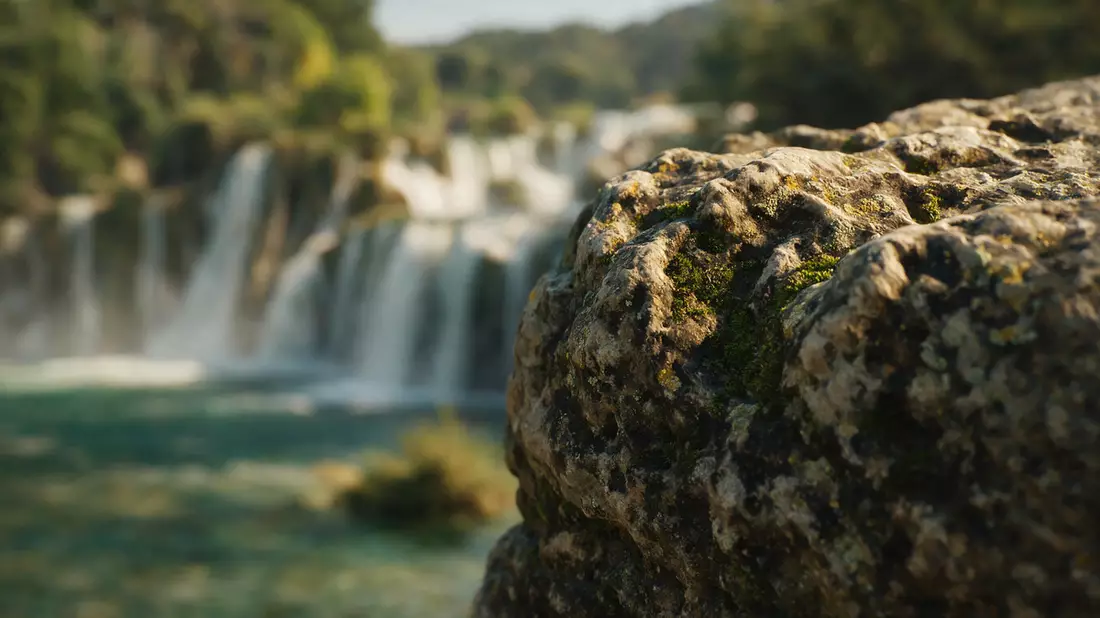
Nacionalni park Krka near Sibenik is defined by the Krka River’s terraces, limestone cascades and stretches of clear water. The park brings together waterfalls, islands, footpaths and monastic sites in one river landscape. Its best-known feature is the broad curtain of water at Skradinski Buk.
Water, stone and river islands
The Krka River runs through karst country, where dissolved limestone creates pools, tufa barriers and channels. In Nacionalni park Krka, that geology is visible in stepped falls, reed-edged banks and places where water gathers before dropping again.
Several named parts of the park are linked by ferries, paths and roads. Visovac Island holds a Franciscan monastery, while the river corridor around it keeps the human scale close to the water.
Monastic sites beside the river
Krka also includes religious buildings that give the park a quieter historical layer. The Orthodox monastery of Krka stands inland, within a landscape of stone, cypress and river valley slopes.
These places belong to the same park as the cascades, but they change the pace of a visit. Stone walls, cloisters and church buildings sit against a background of river bends and wooded banks.
River landscape around Skradinski Buk
Skradinski Buk is the most recognisable waterfall section in the park, with water running over a long line of tufa barriers. Wooden paths and viewing points bring visitors close to the falls, while the river continues below in a wide, bright channel.
The park’s appeal lies in that mix of movement and structure. Water, rock and vegetation make a landscape that changes from one bend to the next without losing its clear identity.
Visiting Nacionalni park Krka: what travellers from Western Europe should know
- It lies inland from Sibenik in Croatia and is reached by road, with boat access on some sections of the river.
- Admission arrangements and opening hours are set by the site's operator and change with the season; the official website is the only binding source.
- Spring and early autumn offer softer light and easier walking than the hottest months.
- Paths include steps, wooden walkways and uneven ground near the water, so sturdy footwear is sensible.
- Croatia uses the euro, and English is widely understood in tourist areas, though some small services prefer cash.
- Entry requirements depend on your nationality. UK travellers should check the FCDO travel advice at gov.uk/foreign-travel-advice; Irish travellers the Department of Foreign Affairs at ireland.ie; EU and EEA citizens their own national foreign ministry.
Searching for Nacionalni park Krka on social platforms
These links open searches for Nacionalni park Krka on each platform.
Frequently asked questions about Nacionalni park Krka
Where is Nacionalni park Krka?
It lies near Sibenik in Croatia, along the Krka River and its inland valley. The park combines waterfalls, river channels and cultural sites within a compact landscape.
What should a visitor expect?
Expect walking paths, wooden boards, water viewpoints and several distinct sections rather than one single overlook. The terrain includes steps, uneven surfaces and stretches that follow the river closely.
What makes it distinctive?
The park combines a karst river system with monasteries and island sites. Skradinski Buk gives the landscape its most familiar water feature, but the river valley remains the broader setting.