
Lalibela’s rock-hewn churches cut deep into Ethiopian highlands
Published on 08/18/2026 at 14:31 | Editorial responsibility: Rafael Müller, Editor-in-Chief AD HOC NEWS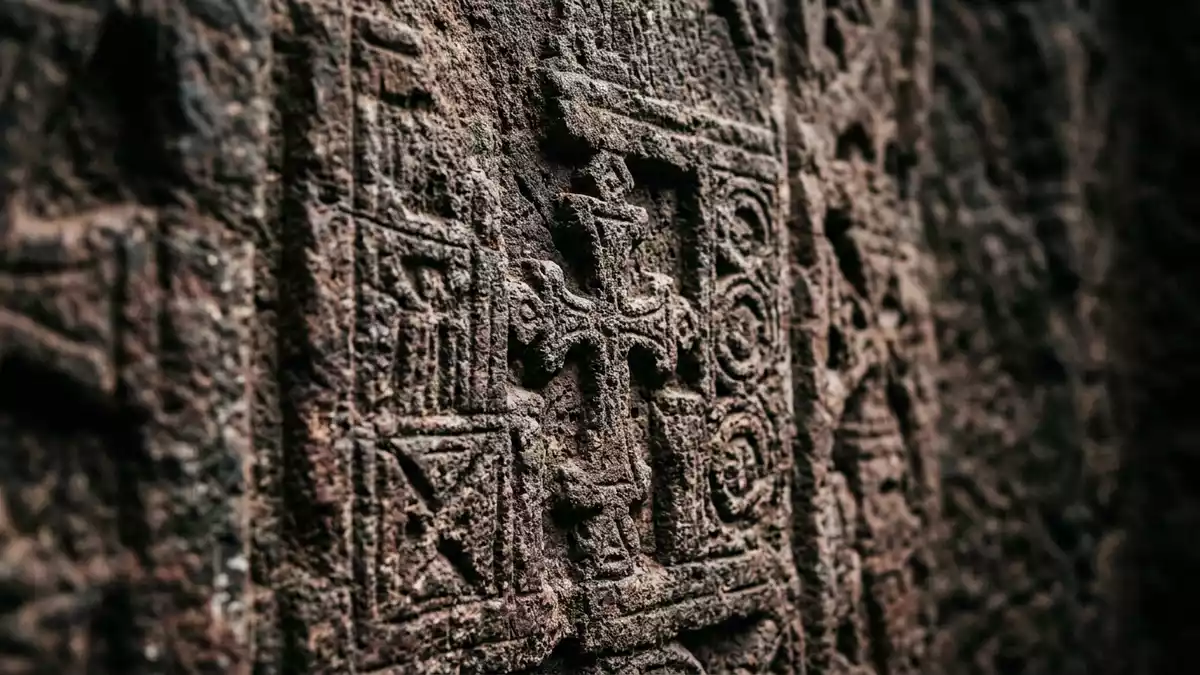
Lalibela in northern Ethiopia is known above all for its cluster of rock-hewn churches carved straight into the highland bedrock, a compact sacred landscape that turned a small town into a “New Jerusalem” during the Middle Ages. In the late twelfth and early thirteenth centuries, King Gebre Meskel Lalibela of the Zagwe dynasty gave his name to the settlement and oversaw an ambitious programme of excavating entire church interiors and exteriors from the living rock.
A medieval “New Jerusalem” carved from living rock
The rock-hewn churches stand near the town of Lalibela in the Lasta district of Ethiopia’s Amhara region, in highlands that rise to around 2,500 m (8,200 ft) above sea level.Lalibela’s highland setting The complex occupies a roughly triangular area cut by a stream known locally as the Jordan River, with trenches, tunnels and courtyards connecting the sacred spaces carved into the rock.the rock-hewn churches in Lalibela
The churches are excavated out of soft reddish volcanic scoria and tuff resting on darker basalt, so that walls, pillars and external façades form a continuous mass with the surrounding rock.carved from a sloping mass of red volcanic scoria Rather than being built from quarried blocks, the builders cut down into the plateau to isolate solid volumes, then hollowed them to create interiors with altars, galleries and aisles. The result is a group of eleven churches linked by passages, with some standing free in deep courtyards and others embedded in rock faces.
The eleven rock-hewn churches and their layout
Lalibela’s sacred core consists of eleven medieval churches, which UNESCO identifies as a single cultural property inscribed on the World Heritage List in 1978.Rock-Hewn Churches, Lalibela The main groupings are a northern cluster and an eastern or south-eastern cluster, with a final free-standing church set apart from the rest.the main cluster of 11 churches
In the northern group, churches such as Bete Medhane Alem and Bete Maryam are cut as subterranean monoliths or three-quarter monoliths, their outer walls detached from the surrounding rock on several sides before interiors were excavated to full height.Architecturally, the churches of the northern cluster Nearby, passages and stairs link them to smaller sanctuaries and chapels, with hermit caves and catacomb-like spaces opening off the routes. The south-eastern group includes churches such as Bete Emanuel and Bete Abba Libanos, some of which are cut into existing rock faces and fissures, suggesting that parts of the complex may have different phases of construction.
Bete Giyorgis and Lalibela’s continuing sacred role
The best-known single structure at Lalibela is Bete Giyorgis, the Church of Saint George, which stands alone in its own courtyard carved into the plateau a short distance from the main clusters.Biete Ghiorgis, perhaps the most famous It is excavated as an isolated block surrounded by vertical rock walls, with entrances cut through the lower portions and an interior arranged for Ethiopian Orthodox worship. The church is part of the same ensemble of monolithic structures attributed to King Gebre Meskel Lalibela in the twelfth and thirteenth centuries.Zagwe dynasty — tradition ascribes it to King Gebre Mesqel Lalibela
Lalibela remains an active centre of Ethiopian Christianity, with the churches recognised formally as a World Heritage Site and described as an exceptional achievement of medieval architecture and spiritual devotion.the Rock-Hewn Churches of Lalibela represent an exceptional achievement Services, processions and religious festivals continue to anchor community life around the carved sanctuaries, and the site functions both as a place of pilgrimage and as a focus of heritage conservation.
Visiting Lalibela: what travellers from Western Europe should know
- Lalibela lies in the Amhara region of northern Ethiopia, in the highlands north of Addis Ababa; flights connect to an airport near the town and onward travel continues by road.
- The churches are reached on foot along uneven rock-cut paths, with steps and narrow passages linking courtyards at different levels.
- The official language is Amharic and the national currency is the Ethiopian birr.
- Entry requirements depend on your nationality; UK travellers can check the FCDO travel advice at gov.uk/foreign-travel-advice, Irish travellers the Department of Foreign Affairs at ireland.ie.
Searching for Lalibela on social platforms
These links open searches for Lalibela on each platform.
Frequently asked questions about Lalibela
Where is Lalibela and what kind of place is it?
Lalibela is a highland town in the Amhara region of northern Ethiopia, known for its ensemble of medieval rock-hewn churches carved into the surrounding volcanic rock.
What should visitors expect on a visit to the churches?
Visitors walk between courtyards, passages and excavated sanctuaries, moving through a compact sacred landscape where whole church volumes and interiors have been cut directly from the bedrock.
What makes Lalibela distinctive among historic sites?
Lalibela combines eleven monolithic churches, a twelfth–thirteenth century royal foundation and an enduring centre of Ethiopian Orthodox worship, all concentrated in one carved highland setting.


