

Machu Picchu adopts 3D monitoring on 13 October
Published on 10/18/2026 at 03:37 | Editorial responsibility: Rafael Müller, Editor-in-Chief AD HOC NEWS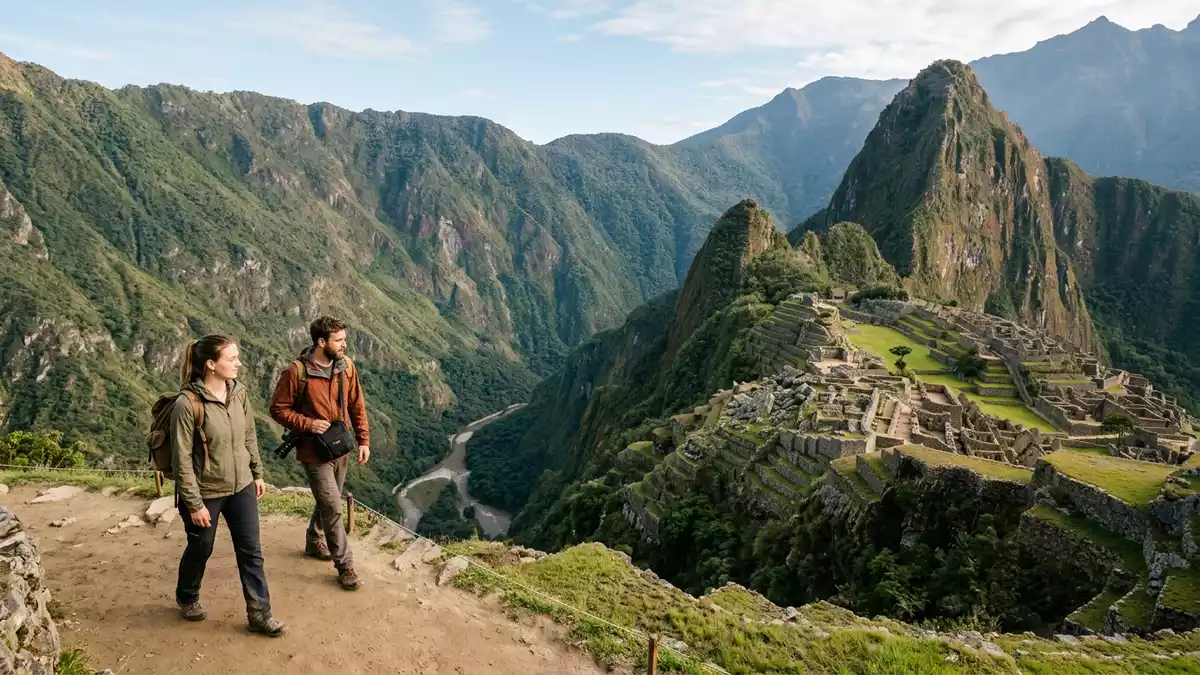
Machu Picchu received new conservation technology on 13 October 2026, when Peru's Ministry of Culture presented high-precision 3D survey results and equipment donated by Japan at the Historic Sanctuary in Peru's Andes. The announcement concerns the archaeological site above Aguas Calientes and marks a new step in recording its walls, terraces and slopes.
Machu Picchu receives 3D monitoring technology on 13 October
The Ministry of Culture, through the Cusco Decentralised Directorate of Culture, received the results of the High-Precision 3D Survey and Analysis Study for the Historic Sanctuary. The project is called 3D-SACURA and is intended to support conservation work and the prevention of risks at the site.
The equipment was donated by the Japan International Cooperation Agency, known as JICA, and the Japanese company FUTABA. The official announcement said the study and technology would help record archaeological features and areas used by visitors. It referred to the wider sanctuary rather than announcing a new visitor route or a special opening.
The Cusco cultural authority's announcement of the 3D project was published on 13 October 2026. A regional news report also described drones, laser scanners and satellite systems being used to register walls, terraces and slopes for deterioration checks and risk assessment.
Why 3D records matter at the highland sanctuary
The Historic Sanctuary stands at 2,430 metres above sea level in a tropical mountain forest on the eastern slopes of the Andes. UNESCO describes the property as a mixed cultural and natural World Heritage site covering 32,592 hectares of mountain slopes, peaks and valleys.
The archaeological centre was built in the fifteenth century and was abandoned in the sixteenth century after the conquest of the Inca Empire. UNESCO records approximately 200 structures on a steep ridge, including residential, agricultural, religious and ceremonial areas separated by terraces and a large square.
That setting explains the link between the new project and the visitor experience: the technology is being applied to the same walls, terraces and mountain landscape that define the sanctuary. Digital records can therefore support the care of both built features and the difficult terrain around them, while the site remains a working heritage landscape rather than an isolated building.
UNESCO's description of the World Heritage property identifies the sanctuary's archaeological, architectural and environmental importance. The property is state-owned and managed through Peru's heritage and protected-area framework.
Visiting Machu Picchu: what travellers from Western Europe should know
- The relevant news date is 13 October 2026. On that day, the Cusco cultural authority announced the 3D-SACURA results and Japanese-donated equipment for the Historic Sanctuary.
- The announcement concerns conservation monitoring and risk prevention. It does not announce a closure, reopening or changed visitor route at Machu Picchu.
- The sanctuary is in Peru's Andes above Aguas Calientes, the town used by visitors as the gateway to the archaeological site. The protected property includes mountain slopes, peaks and valleys.
- The terrain is steep and the site stands at 2,430 metres above sea level. UNESCO describes stone terraces, ramps and a ridge divided between lower and upper areas.
- Peru's official languages include Spanish, Quechua and Aymara, while the national currency is the sol.
- Entry requirements depend on your nationality; UK travellers can check the FCDO travel advice at gov.uk/foreign-travel-advice, Irish travellers the Department of Foreign Affairs at ireland.ie.
Searching for Machu Picchu on social platforms
These links open searches for Machu Picchu on each platform.
Frequently asked questions about Machu Picchu
What happened at Machu Picchu on 13 October 2026?
Peru's Ministry of Culture presented results from the 3D-SACURA high-precision survey and received technology donated by JICA and FUTABA. The project supports conservation and risk prevention.
Where is Machu Picchu and how do you get there?
The sanctuary is in the Andes of Peru above Aguas Calientes. The archaeological centre stands within a mountain landscape at 2,430 metres above sea level.
What is Machu Picchu?
It is a fifteenth-century Inca archaeological centre within a larger protected sanctuary. UNESCO lists the Historic Sanctuary of Machu Picchu as a mixed cultural and natural World Heritage property.


