
Machu Picchu and the stone city above the Urubamba
Published on 09/23/2026 at 04:27 | Editorial responsibility: Rafael Müller, Editor-in-Chief AD HOC NEWS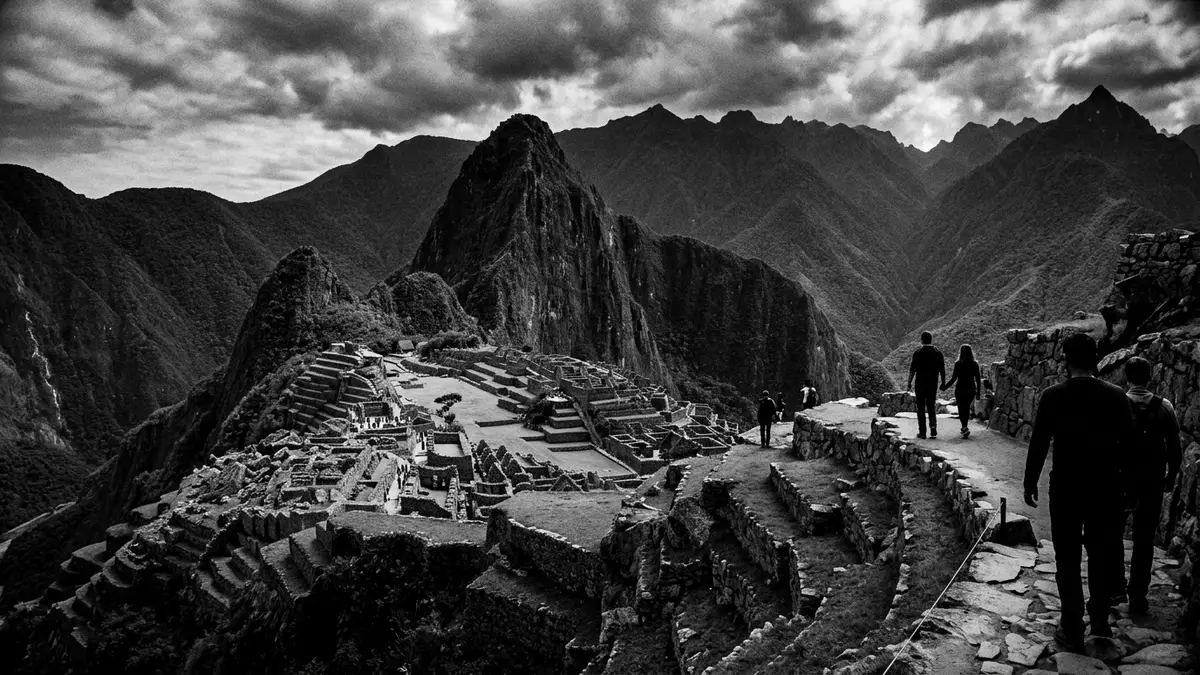
Machu Picchu is a stone citadel set high above the Urubamba River in the Peruvian Andes. Its terraces, temples and residential buildings occupy a narrow ridge between the peaks named Machu Picchu and Huayna Picchu, creating a settlement where architecture and mountain terrain remain visible together.
Machu Picchu: a citadel on an Andean ridge
The site lies at more than 2,400 metres above sea level, within the Historic Sanctuary of Machu Picchu. The surrounding World Heritage property extends across mountain slopes, peaks and valleys at the meeting point of the Andes and the Amazon Basin. The citadel forms its archaeological centre, while the wider sanctuary includes the landscape around it. Historic Sanctuary of Machu Picchu
Machu Picchu was built in the fifteenth century, during the height of the Inca Empire. Pachacuti Inca Yupanqui is associated with its construction and reigns from about 1438 to 1471. The complex contains agricultural terraces, ceremonial architecture, stone dwellings and carefully laid paths across the ridge.
Dry-stone walls, terraces and ceremonial buildings
Unmortared stonework defines Machu Picchu. Blocks are fitted together without visible mortar in many walls, while terraces step across the slopes around the built areas. The agricultural sector and urban sector remain legible as distinct parts of the complex. agricultural terraces and temples
The Temple of the Sun is among the named structures within the citadel. Other buildings include ceremonial spaces, residential compounds and stone platforms. Their arrangement presents Machu Picchu as a planned Inca settlement rather than an isolated group of ruins. Walls, stairways and terraces follow the uneven ridge, with views opening towards the surrounding peaks.
From the Inca Empire to a World Heritage landscape
Machu Picchu was abandoned in the sixteenth century, when the Inca Empire was conquered by the Spaniards. The archaeological complex became known internationally after Hiram Bingham brought it to wider outside attention in 1911. Machu Picchu’s Andean setting
Peru designated the site a UNESCO World Heritage property in 1983. The inscription covers cultural and natural values, joining the architecture of the citadel with the mountain environment around it. This combination remains visible in the terraces, stone buildings, steep slopes and distant peaks. fifteenth-century construction
Visiting Machu Picchu: what travellers from Western Europe should know
- Machu Picchu lies in southern Peru above the Urubamba River. Aguas Calientes, also known as Machu Picchu Pueblo, is the town below the sanctuary.
- The approach includes steep mountain terrain, stone stairways and uneven archaeological paths. The altitude exceeds 2,400 metres, and the ridge includes exposed slopes.
- A railway connects Aguas Calientes with the wider Sacred Valley transport network. The final ascent from the town reaches the archaeological complex above the valley.
- The official language is Spanish and the national currency is the Peruvian sol.
- Entry requirements depend on your nationality; UK travellers can check the FCDO travel advice at gov.uk/foreign-travel-advice, Irish travellers the Department of Foreign Affairs at ireland.ie.
Searching for Machu Picchu on social platforms
These links open searches for Machu Picchu on each platform.Frequently asked questions about Machu Picchu
Where is Machu Picchu?
Machu Picchu is in southern Peru, above the Urubamba River and near Aguas Calientes. The citadel occupies a ridge in the eastern Andes.
What can visitors expect at Machu Picchu?
Visitors encounter stone buildings, terraces, stairways and ceremonial spaces across steep archaeological terrain. The altitude exceeds 2,400 metres.
What makes Machu Picchu distinctive?
Its Inca architecture occupies a high mountain ridge, while terraces, temples and the surrounding sanctuary remain part of one connected landscape.


