
Machu Picchu route closure ran through 25 September 2026
Published on 09/27/2026 at 10:36 | Editorial responsibility: Rafael Müller, Editor-in-Chief AD HOC NEWS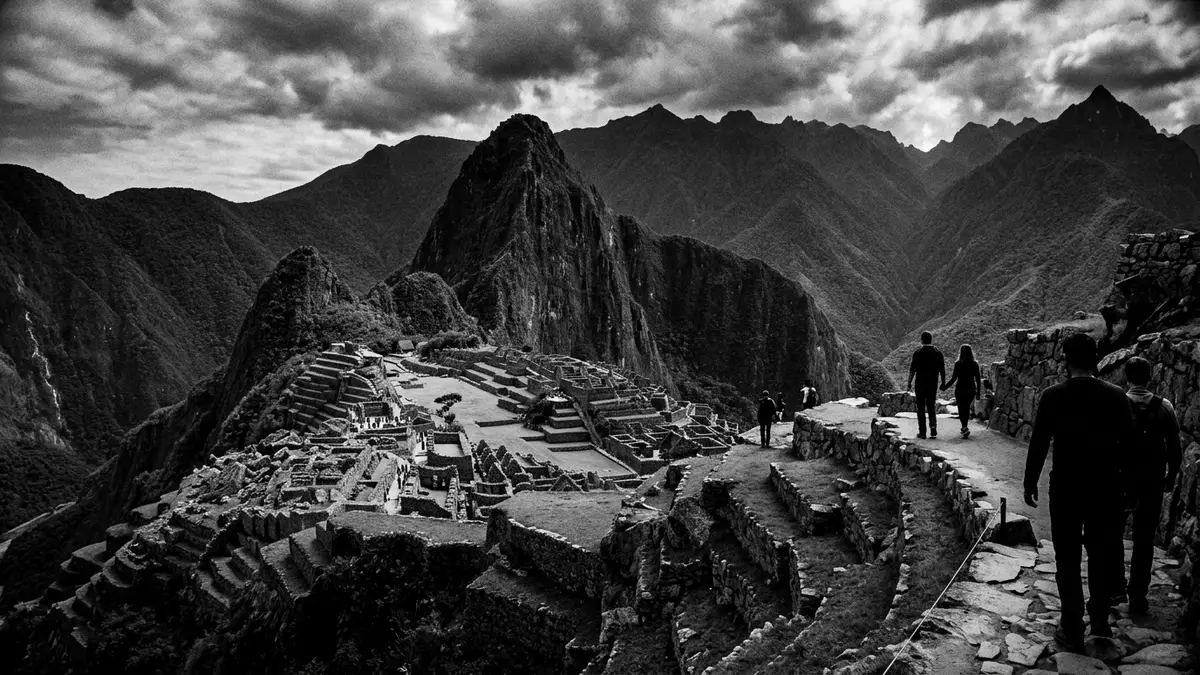
Machu Picchu’s Puente Inca route closure changed part of the visitor experience from 20 to 25 September 2026. The measure affected the archaeological sanctuary above Aguas Calientes, also known as Machu Picchu, during emergency conservation work.
Puente Inca route closure ran until 25 September
The Cusco Decentralised Directorate of Culture ordered Route 1-D of Circuit 1 to close from 20 to 25 September 2026. The route leads to Puente Inca on the eastern side of the citadel, and the closure covered the period when specialists worked on vulnerable archaeological structures.
The intervention addressed a section of pre-Hispanic wall and an unstable path platform. The authority said the work was intended to conserve the archaeological remains and maintain safe movement for visitors. Andina’s closure notice also said that weather or unexpected circumstances could affect the planned work.
Visitors holding reserved or purchased tickets for Route 1-D during 20 to 25 September 2026 were automatically directed to Route 1-C, the route to Portada Intipunku in the south-western sector. This preserved an alternative visit while removing access to the Puente Inca sector. La República’s report confirmed the reassignment for affected visitors.
How the closure relates to Machu Picchu’s protected landscape
The Puente Inca route sits within a much larger historic sanctuary, where stone architecture and steep mountain terrain form one protected setting. UNESCO describes the property as a mixed cultural and natural World Heritage site on the eastern slopes of the Andes, at the meeting point of the Peruvian Andes and the upper Amazon basin.
The sanctuary includes the archaeological citadel, mountain slopes, peaks and valleys. UNESCO records walls, terraces and ramps set into a steep ridge, with the built landscape closely connected to cloud forest and highland habitats. That relationship explains why emergency work on a wall and path platform affects both conservation and the movement of visitors.
The site was built during the fifteenth century and later became internationally known after 1911. Its World Heritage status covers cultural remains and the surrounding natural environment, while Peru’s state-owned sanctuary forms part of the national protected-areas system. UNESCO’s sanctuary profile sets out that combined protection.
Visiting Machu Picchu: what travellers from Western Europe should know
- The Puente Inca route, Route 1-D of Circuit 1, was closed from 20 to 25 September 2026.
- Affected Route 1-D ticket holders were redirected to Route 1-C and Portada Intipunku; the announced closure did not apply to every route through the sanctuary.
- The site is in Peru’s Andes above Aguas Calientes, the gateway settlement for visits to the sanctuary. The archaeological area lies within the eastern Andes and upper Amazon landscape.
- The terrain includes steep ridges, stone terraces, ramps and narrow mountain paths. Visitors should expect substantial uneven ground and gradients rather than a level urban museum layout.
- Peru’s official languages include Spanish and Quechua, and the national currency is the sol.
- Entry requirements depend on your nationality; UK travellers can check the FCDO travel advice at gov.uk/foreign-travel-advice, Irish travellers the Department of Foreign Affairs at ireland.ie.
Searching for Machu Picchu on social platforms
These links open searches for Machu Picchu on each platform.
Frequently asked questions about Machu Picchu
When was the Puente Inca route closed at Machu Picchu?
Route 1-D was closed from 20 to 25 September 2026 for emergency conservation work. The restriction covered the route to Puente Inca.
What changed for visitors at Machu Picchu?
Visitors with Route 1-D tickets from 20 to 25 September 2026 were redirected automatically to Route 1-C and Portada Intipunku.
Where is Machu Picchu and how do travellers reach it?
The sanctuary is in Peru’s eastern Andes, above Aguas Calientes and within the upper Amazon basin landscape. Aguas Calientes serves as the gateway settlement for visits to the archaeological site.


