
Meiji Jingu and its forest sanctuary in Tokio
Published on 09/09/2026 at 18:43 | Editorial responsibility: Rafael Müller, Editor-in-Chief AD HOC NEWS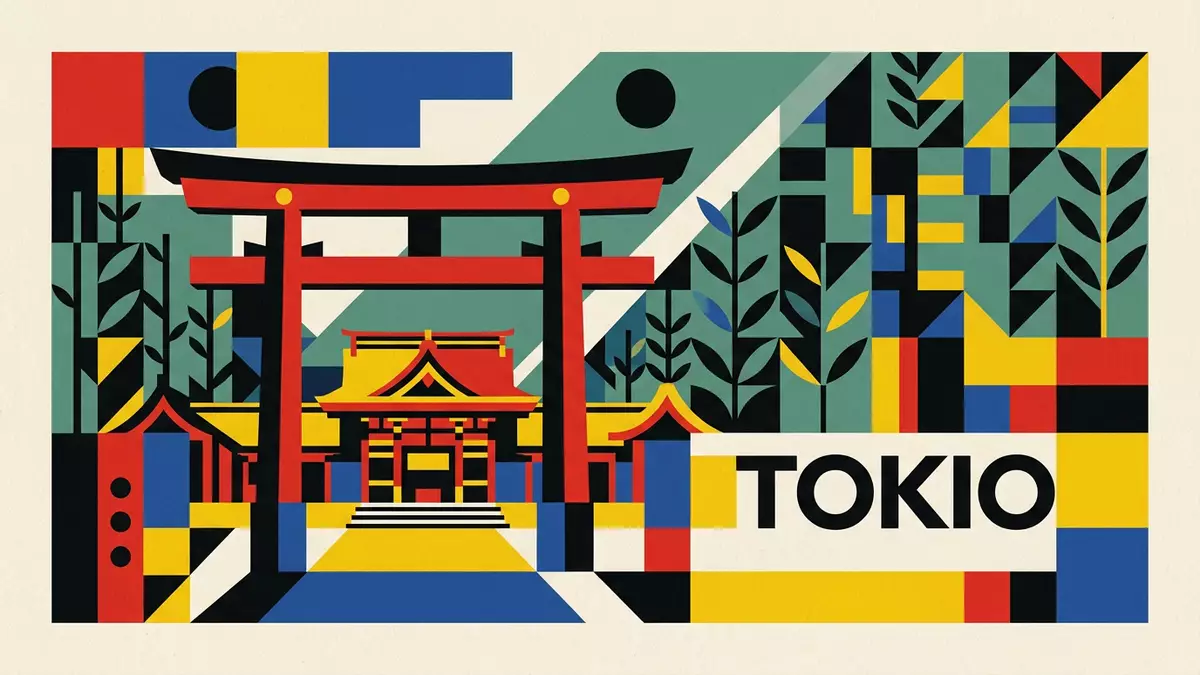
Meiji Jingu is a Shinto shrine in Tokio dedicated to Emperor Meiji and Empress Shoken, set within an extensive woodland that was planted in the early twentieth century. Established in 1920, it brings together traditional shrine architecture and a deliberately created forest that has matured into one of the largest green precincts in central Tokyo.
A shrine to Japan’s modernising emperor
Meiji Jingu is dedicated to the enshrined spirits of Emperor Meiji, born in 1852, and his consort Empress Shoken, born in 1850, who died in 1912 and 1914 respectively.Emperor Meiji and Empress Shoken The shrine was established in the aftermath of their deaths to commemorate their role in leading Japan through the Meiji era from 1868 to 1912, a period when the country underwent far?reaching modernisation.Meiji era modernisation years
Construction of Meiji Jingu began in 1915 under architect It? Ch?ta, and the original shrine buildings were completed in the traditional nagare-zukuri style in the early 1920s.construction began in 1915 The main sanctuary, or honden, was built largely from Japanese cypress with copper roofs, giving the complex a restrained timber character that contrasts with the concrete and glass structures elsewhere in Shibuya.honden in nagare-zukuri style
A man?made forest that became a city woodland
One of the most striking aspects of Meiji Jingu is its forest. When the shrine was founded in 1920, around 100,000 trees were donated from across Japan and planted around the precincts under the guidance of forestry specialists.100,000 trees donated Volunteers from around the country took part in this project, creating a deliberately designed woodland rather than preserving an existing natural forest.
Over more than a century the forest has undergone natural succession and now supports hundreds of species of trees and other organisms, forming dense canopy and understorey rather than ornamental planting.thriving ecosystem of trees and species The grounds cover a substantial area of around 700,000 square metres, making Meiji Jingu one of the largest shrine complexes in Tokyo and giving visitors the sense of entering a different landscape as they leave the neighbouring streets of Harajuku and Shibuya.approximately 700,000 square metres
Approaches, torii gates and inner garden
Approach paths lead from the surrounding city through the forest to the inner shrine, passing a series of imposing wooden torii gates. The grand torii at one of the main entrances stands around 12 m high and more than 17 m wide, crafted from Japanese cypress that is stated to be around 1,500 years old.grand torii dimensions The scale of these gates, combined with the gravelled avenues beneath them, marks a clear threshold from the city streets into the shrine precincts.
Within the grounds lies the Inner Garden, a separate enclave on the southern side of the forest that traces its origins to the garden of a feudal lord’s estate in the Edo period.inner garden Edo-period origins The garden includes ponds, seasonal irises and carefully composed greenery, along with a traditional teahouse. Elsewhere within the precincts, a museum building designed by architect Kengo Kuma opened in 2019, adding contemporary timber architecture to the historic shrine ensemble.Meiji Jingu Museum by Kengo Kuma
Visiting Meiji Jingu: what travellers from Western Europe should know
- Meiji Jingu stands in the Yoyogikamizonocho area of Shibuya, adjoining Harajuku, with access on foot from JR Harajuku Station and Tokyo Metro Meiji-jingumae Station.
- The approaches run along broad gravel paths through the forest, and the route to the main sanctuary includes torii gates and stone paving rather than steep climbs.
- The shrine precincts sit within central Tokyo, and nearby districts such as Harajuku and Omotesando offer dense urban streetscapes that contrast with the woodland setting.
- The official language is Japanese and the currency is the yen.
- Entry requirements depend on your nationality; UK travellers can check the FCDO travel advice at gov.uk/foreign-travel-advice, Irish travellers the Department of Foreign Affairs at ireland.ie.
Searching for Meiji Jingu on social platforms
These links open searches for Meiji Jingu on each platform.Frequently asked questions about Meiji Jingu
Where is Meiji Jingu located in Tokio?
Meiji Jingu stands in YoyogikamIzonocho in Shibuya, adjacent to Harajuku and close to central Tokyo districts such as Shinjuku and Shibuya.
What should visitors expect during a visit?
Visitors walk through planted forest along gravel approaches, pass large wooden torii gates and reach timber shrine buildings, with the option to explore the Inner Garden and museum.
What makes Meiji Jingu distinctive among Tokyo shrines?
The combination of a twentieth-century shrine to Emperor Meiji, a deliberately planted forest that has matured into full woodland, and large cypress torii gates gives Meiji Jingu a distinctive character.


