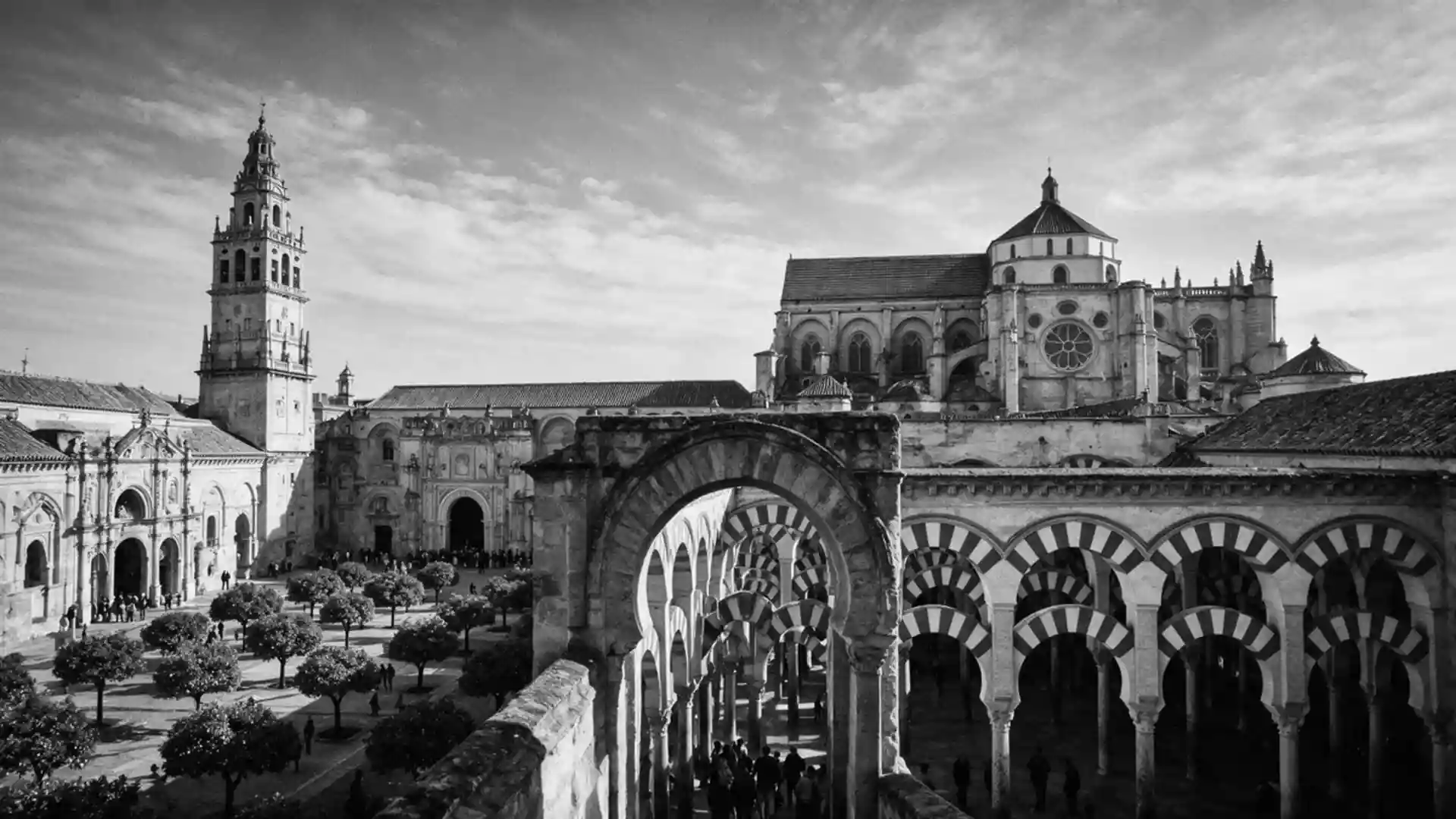
Mosque-Cathedral of Cordoba begins macsura study on 9 November
Published on 11/14/2026 at 18:32 | Editorial responsibility: Rafael Müller, Editor-in-Chief AD HOC NEWSResearch and heritage at a glance
- On 9 November 2026, the Cathedral Chapter and Junta de Andalucía agreed on a macsura study at the monument.
- The IAPH will examine 60 samples from the macsura and mihrab, with no visitor closure reported.
- UNESCO inscribed the Great Mosque on the World Heritage List in 1984, with the property extended in 1994.
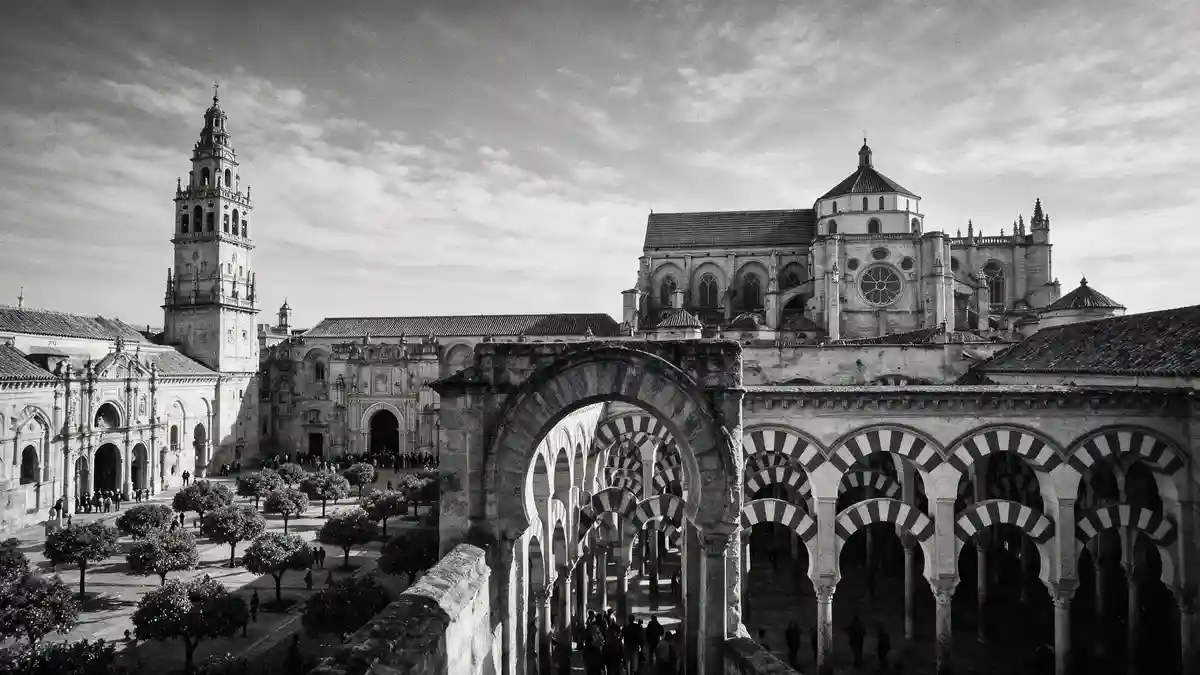
Mosque-Cathedral of Cordoba (Mezquita-Catedral de Córdoba) became the subject of a new macsura study in Cordoba, Spain, after an agreement announced on 9 November 2026. The work examines materials and decoration in the macsura and mihrab while the monument remains a working cathedral and visitor site.
Macsura study begins after 9 November agreement
The Cathedral Chapter and the Junta de Andalucía agreed on 9 November to commission the Instituto Andaluz del Patrimonio Histórico, known as the IAPH, to examine two of the building’s most significant spaces. The announcement followed the signing of a wider cooperation protocol covering research, conservation, restoration and the sharing of technical information.
The study includes 60 laboratory analyses. Forty concern construction materials, including structural and surface materials, while 20 concern decorative paintings. The work is intended to establish the physical and chemical composition of the materials and to improve understanding of the techniques used in the macsura and mihrab. The 9 November study announcement names the Cathedral Chapter, the Junta and the IAPH as the institutions involved.
The research supports a restoration project for the macsura vaults. The findings are expected to be collected in a technical report and later presented at an academic session in Cordoba. No closure or altered visitor route was reported in the announcement.
Why the mihrab and macsura matter here
The macsura was built during the tenth-century enlargement ordered by the caliph al-Hakam II. It is the area associated with the mosque’s most elaborate vaulting, while the mihrab is the prayer niche at the end of the principal axis. Examining both together connects the new scientific work with the building’s most concentrated architectural and decorative features.
UNESCO describes the former Great Mosque as an architectural combination of Islamic, Roman, Visigoth and Christian elements. The mosque was built in the eighth century over the remains of the Visigoth Basilica of San Vicente, extended over three centuries, and converted into a Christian cathedral in 1236. Renaissance reconstruction between 1523 and 1599 produced much of the present spatial arrangement. UNESCO’s World Heritage description records the site’s inscription in 1984 and the extension of the property in 1994.
The new analyses therefore concern more than isolated decorative details. They focus on materials within a building whose continued religious use has helped preserve a layered structure, while the results may inform decisions about future conservation. The Cathedral Chapter has managed and interpreted the monument since 1236, according to the official monument information.
Visiting Mosque-Cathedral of Cordoba: what travellers from Western Europe should know
- The macsura study was announced on 9 November 2026 and concerns the macsura and mihrab inside the monument.
- The announcement reports no closure or changed entrance for visitors, so the study itself does not establish a new access restriction.
- The monument stands in the historic centre of Cordoba, whose streets and historic buildings surround the former Great Mosque and extend towards the Guadalquivir.
- Visitors encounter a building with narrow historic streets around it, a forest of columns and arches, the mihrab and the macsura, rather than a separate modern research venue.
The research gives the next visit a precise conservation context: the materials being studied are part of the spaces that define the Islamic architectural core of the cathedral.
Searching for Mosque-Cathedral of Cordoba on social platforms
These links open searches for Mosque-Cathedral of Cordoba on each platform.
Frequently asked questions about Mosque-Cathedral of Cordoba
What has changed at Mosque-Cathedral of Cordoba?
A new scientific study was agreed on 9 November 2026, covering materials and paintings in the macsura and mihrab. The announcement did not report a visitor closure.
What is the macsura study at the monument?
The IAPH will carry out 60 analyses, including 40 of construction materials and 20 of decorative paintings. The findings will support future conservation decisions.
Where is Mosque-Cathedral of Cordoba and how do you get there?
The monument is in the historic centre of Cordoba, Spain. UNESCO identifies the surrounding historic streets and the Guadalquivir area as part of the World Heritage setting.