Museo Nacional Centro de Arte Reina Sofia and the art of 20th?century Spain
Published on 09/09/2026 at 14:35 | Editorial responsibility: Rafael Müller, Editor-in-Chief AD HOC NEWS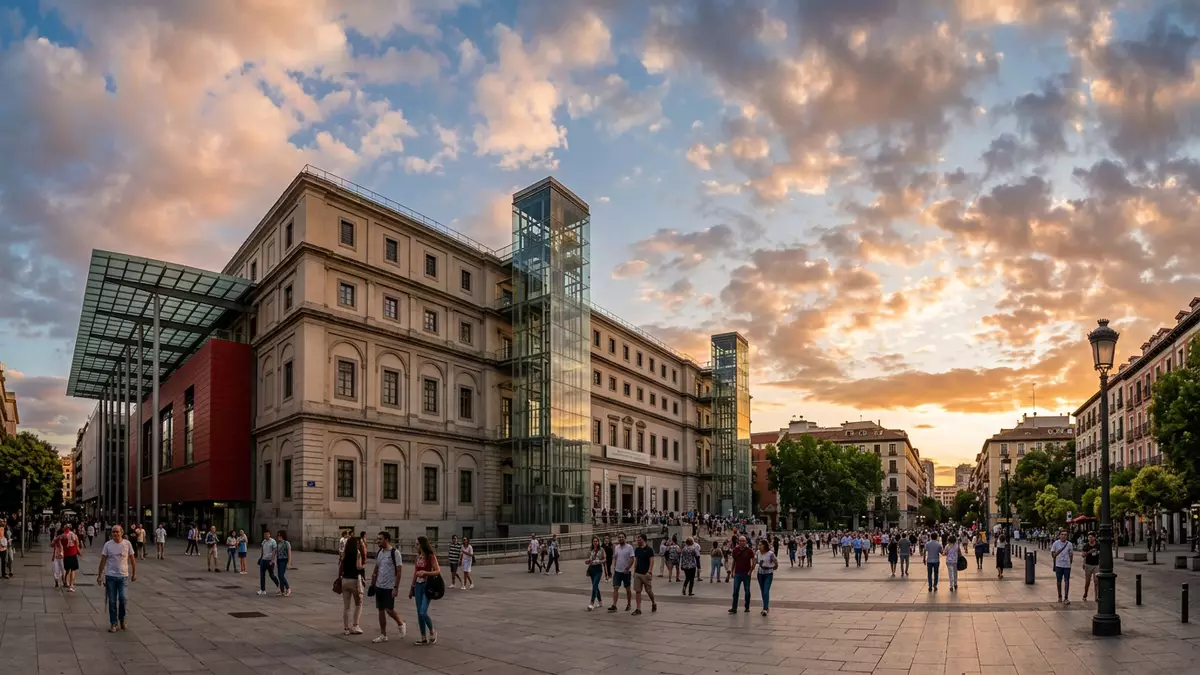
In Madrid’s Atocha district, the Museo Nacional Centro de Arte Reina Sofia occupies a former hospital complex that has become Spain’s national museum of 20th?century art. Named after Queen Sofia and inaugurated as a museum in 1992, it anchors the city’s “Golden Triangle of Art” beside the Prado and Thyssen?Bornemisza and places Pablo Picasso’s “Guernica” at the heart of a wide?ranging collection of modern and contemporary works.national museum of 20th-century art
A royal name in a rehabilitated hospital
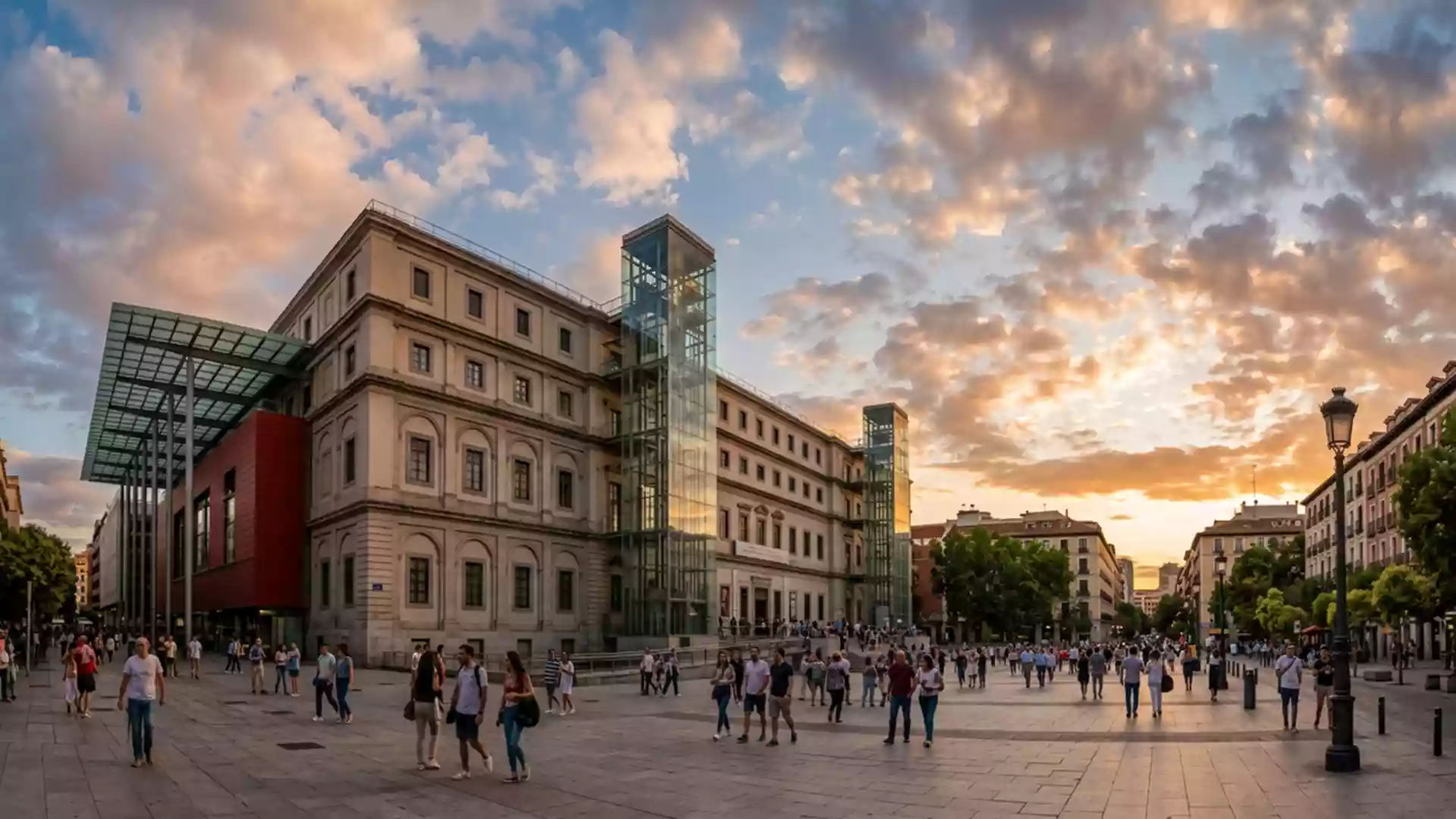
The core of Museo Nacional Centro de Arte Reina Sofia is the Sabatini building, a sober 18th?century structure originally planned as a hospital and later adapted to museum use.Sabatini building Its courtyards, long wings and robust masonry provide generous floors for galleries, a library and public spaces, with glass?clad external lift towers marking the conversion from medical facility to cultural institution.
The museum’s current identity dates from 10 September 1992, when it was officially inaugurated as the Museo Nacional Centro de Arte Reina Sofia and named for Queen Sofia of Spain.inaugurated in September 1992 That act formalised its role as the country’s principal state museum devoted to modern and contemporary art, distinct from the historical collections of the nearby Museo del Prado.
Picasso’s “Guernica” and the story of 20th?century Spain
For many visitors, “Guernica” is the defining encounter at Museo Nacional Centro de Arte Reina Sofia. Painted by Pablo Picasso in 1937 in response to the bombing of the Basque town of Gernika, the vast canvas travelled for decades before returning to Spain in 1981 and entering the Prado’s holdings.Guernica returned to Spain in 1981 In 1992, it was installed on an upper floor of the Sabatini building as part of the newly defined permanent collection, and has remained a focal point there ever since.installed in the museum in 1992
Around “Guernica”, the museum organises a broader narrative of 20th?century Spain and European modernism. The permanent collection brings together Spanish artists such as Joan Miró, Salvador Dalí and Juan Gris alongside international figures, framing the Civil War, dictatorship and democratic transition through painting, sculpture, photography and installation. The galleries move from historical avant?gardes to post?war abstraction and conceptual practices, using “Guernica” as a hinge between the domestic history of conflict and a wider map of modern art.museum sees Guernica as a focal point
From Sabatini to Nouvel: an expanded museum campus
Museo Nacional Centro de Arte Reina Sofia is not confined to a single historic building. The museum complex includes the Sabatini building on Calle Santa Isabel and the more recent Nouvel building on Ronda de Atocha, near Plaza del Emperador Carlos V.Nouvel building on Ronda de Atocha This extension, designed by architect Jean Nouvel, introduces large, flexible spaces for temporary exhibitions, an auditorium and terraces, using steel and glass to contrast with the stone volumes of the original hospital.
Together, the different wings shape a varied sequence of spaces: enclosed historical galleries, contemporary white?cube rooms, shaded courtyards and outdoor platforms overlooking the tracks of nearby Madrid Atocha railway station.near Atocha train and metro stations The museum also houses research facilities, including a library noted for its holdings related to 20th?century art, and spaces for educational and public programmes.
Visiting Museo Nacional Centro de Arte Reina Sofia: what travellers from Western Europe should know
- Museo Nacional Centro de Arte Reina Sofia stands on Calle Santa Isabel in central Madrid, close to Estación del Arte metro and Madrid Atocha railway station, at the southern end of the city’s main museum axis.
- The Sabatini building’s upper floors are reached via long corridors and external glass lift towers, while internal staircases connect the galleries; visits involve substantial walking on level floors.
- The museum sits within the so?called Golden Triangle of Art along the Paseo del Prado, with the Museo del Prado and Museo Thyssen?Bornemisza within walking distance.
- Spanish is the official language and the currency is the euro.
Searching for Museo Nacional Centro de Arte Reina Sofia on social platforms
These links open searches for Museo Nacional Centro de Arte Reina Sofia on each platform.
Frequently asked questions about Museo Nacional Centro de Arte Reina Sofia
Where is Museo Nacional Centro de Arte Reina Sofia located?
Museo Nacional Centro de Arte Reina Sofia stands on Calle Santa Isabel in central Madrid, close to Madrid Atocha railway station and Estación del Arte metro on the city’s main museum axis.Calle Santa Isabel, 52
What can visitors expect on a visit?
Visitors encounter a large modern and contemporary art collection housed in a former hospital and its architectural extension, with key works such as Picasso’s “Guernica” displayed alongside galleries dedicated to Spanish and international 20th?century art.foremost institution devoted to modern and contemporary art
What makes Museo Nacional Centro de Arte Reina Sofia distinctive?
The museum combines the presence of “Guernica”, a central symbol of 20th?century Spanish history, with its setting in a rehabilitated hospital and an architect?designed contemporary wing, forming a major component of Madrid’s Golden Triangle of Art.Golden Triangle of Art