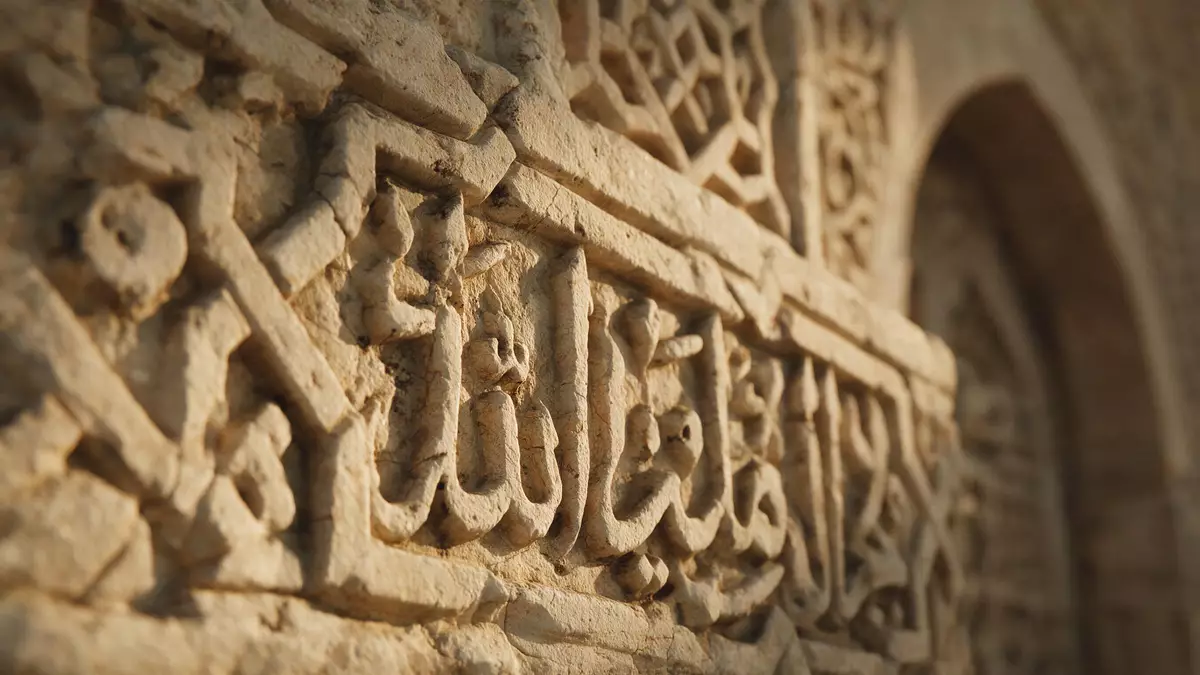
Museum of Islamic Art’s pale stone pavilion in Doha
Published on 08/07/2026 at 15:06 | Editorial responsibility: Rafael Müller, Editor-in-Chief AD HOC NEWS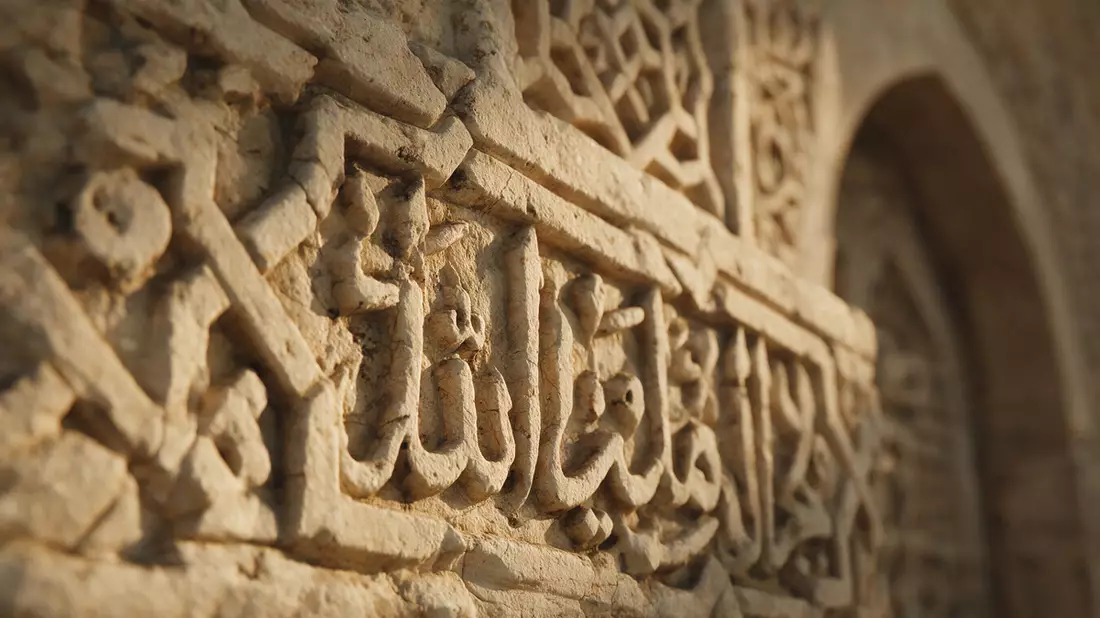
Museum of Islamic Art in Doha stands on the Corniche as a pale, geometric building over the water. Designed by I. M. Pei and opened in 2008, it presents Islamic art through a composition of crisp volumes and calm stone surfaces.
I. M. Pei’s stone geometry in Doha
The building is one of the strongest modern landmarks on Doha’s waterfront. Its massing is composed of stacked, simplified forms that read clearly from a distance and more subtly at close range.
Pei’s name gives the museum a secure place in late twentieth- and early twenty-first-century architecture. The building belongs to a period when museums often became as much architectural statements as exhibition containers.
Collections inside a modern shell
Inside, the museum holds Islamic art across a wide historical span, from manuscript pages and metalwork to ceramics, textiles and glass. The collection is arranged in galleries that give space to objects rather than overwhelming them.
That balance between object and building matters here. The exterior has a spare, almost austere character, while the interior shifts attention to ornament, calligraphy, pattern and crafted surfaces from across the Islamic world.
Waterfront setting and visual presence
The museum’s position beside Doha Bay gives it a strong relation to the city skyline and the open edge of the Corniche. Its pale stone reads against sky and water, and the low, stepped profile keeps the building grounded.
The result is a museum that works as both cultural institution and civic landmark. The form is modern, but the subject is historical, and the contrast gives the place much of its force.
Visiting Museum of Islamic Art: what travellers from Western Europe should know
- The museum is in Doha, on the Corniche by the waterfront, and is reached by road or taxi.
- Admission arrangements and opening hours are set by the site's operator and change with the season; the official website is the only binding source.
- Late afternoon and evening can suit a visit, when the waterfront and the exterior are easier to combine in one walk.
- The site itself is on level ground, with the approach following paved city streets and waterfront paths.
- Arabic and English are both useful on signs and in visitor areas, and cashless payment is common in the city.
- Entry requirements depend on your nationality. UK travellers should check the FCDO travel advice at gov.uk/foreign-travel-advice; Irish travellers the Department of Foreign Affairs at ireland.ie; EU and EEA citizens their own national foreign ministry.
Searching for Museum of Islamic Art on social platforms
These links open searches for Museum of Islamic Art on each platform.
Frequently asked questions about Museum of Islamic Art
Where is Museum of Islamic Art?
It stands in Doha, on the waterfront along the Corniche. The setting gives it an open view across the bay and a strong relationship with the city skyline.
What should a visitor expect?
Expect a museum with modern galleries, major Islamic artworks and a building that is part of the experience. The interior and exterior together shape the visit.
What makes it distinctive?
Its combination of I. M. Pei’s architecture and the museum’s Islamic art collection makes the place memorable. The pale stone massing and waterfront setting are central to that character.