
Olympic National Park and the changing Olympic Peninsula
Published on 08/16/2026 at 14:24 | Editorial responsibility: Rafael Müller, Editor-in-Chief AD HOC NEWS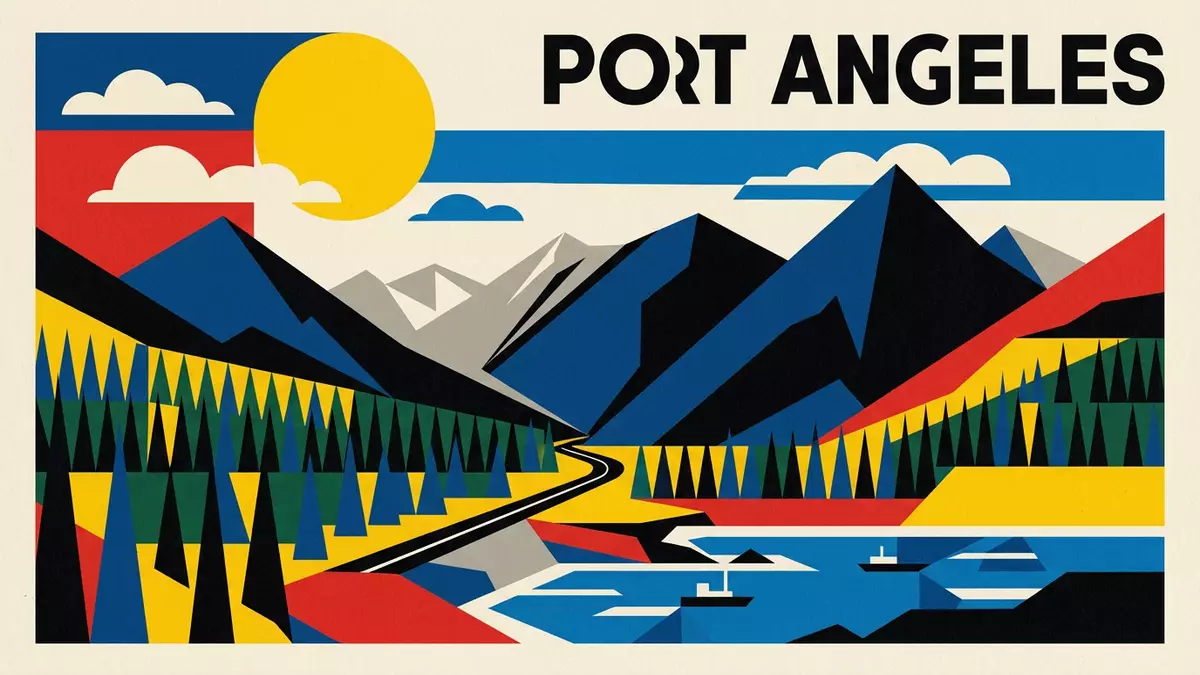
Olympic National Park near Port Angeles brings together glacier-capped mountains, temperate rainforest and a Pacific coast in one protected landscape. It was redesignated a national park in 1938, and that date still anchors its modern identity.
Mountains, rainforest and coast in one reserve
The park sits on the Olympic Peninsula in Washington State and stretches across a landscape that UNESCO describes as ecosystem diversity. Its terrain includes rugged peaks, old-growth forest and a wild coastline, with each part adding a different face to the same park. Olympic Peninsula
The UNESCO record also identifies the park as a biosphere reserve and a World Heritage site. That combination places Olympic National Park among protected landscapes recognised for both ecological variety and international significance. World Heritage site
From national monument to national park
The park’s formal story begins in 1909, when President Theodore Roosevelt designated part of the area as Mount Olympus National Monument. In 1938, President Franklin D. Roosevelt signed the act that made it Olympic National Park. Mount Olympus National Monument
That chronology matters because the park’s boundaries and conservation status are part of its identity. The National Park Service also records more than 13,500 years of human presence on the Olympic Peninsula, and links the area to the Makah, Quileute, Hoh, Quinault, Skokomish, Port Gamble S'Klallam, Jamestown S'Klallam and Lower Elwha Klallam tribes. 1938 act
Port Angeles and the park’s northern edge
Port Angeles lies beside the park’s northern side and appears in the park’s administrative and access history. It is the town most closely associated with the northern approach, while the wider park landscape extends far beyond it. Port Angeles
The park’s landscape is varied enough to reward a slow reading of its parts. Glacier-clad heights, rainforest valleys and a rough shoreline sit within the same protected area, and the contrast is part of its character. wild Pacific coast
Visiting Olympic National Park: what travellers from Western Europe should know
- The park lies on Washington State’s Olympic Peninsula, with Port Angeles on its northern side. Ferries, roads and local access routes connect the town with the wider peninsula.
- The terrain ranges from low coastal ground to mountain country and forested valleys. Some areas involve steep ground and rough natural surfaces.
- The park’s languages are English and the wider national setting is the United States. The currency is the United States dollar.
- Entry requirements depend on your nationality; UK travellers can check the FCDO travel advice at gov.uk/foreign-travel-advice, Irish travellers the Department of Foreign Affairs at ireland.ie.
Searching for Olympic National Park on social platforms
These links open searches for Olympic National Park on each platform.
Frequently asked questions about Olympic National Park
Where is Olympic National Park?
Olympic National Park is on the Olympic Peninsula in Washington State, in the north-western United States. Port Angeles lies beside its northern edge.
What does a visit involve?
The park combines mountain scenery, rainforest and coast. Its terrain includes forested valleys, high ground and a shoreline shaped by the Pacific.
What makes Olympic National Park distinctive?
Its range of landscapes is unusually broad for one protected area. The park holds glacier-capped mountains, temperate rainforest and a wild coast within the same boundary.


