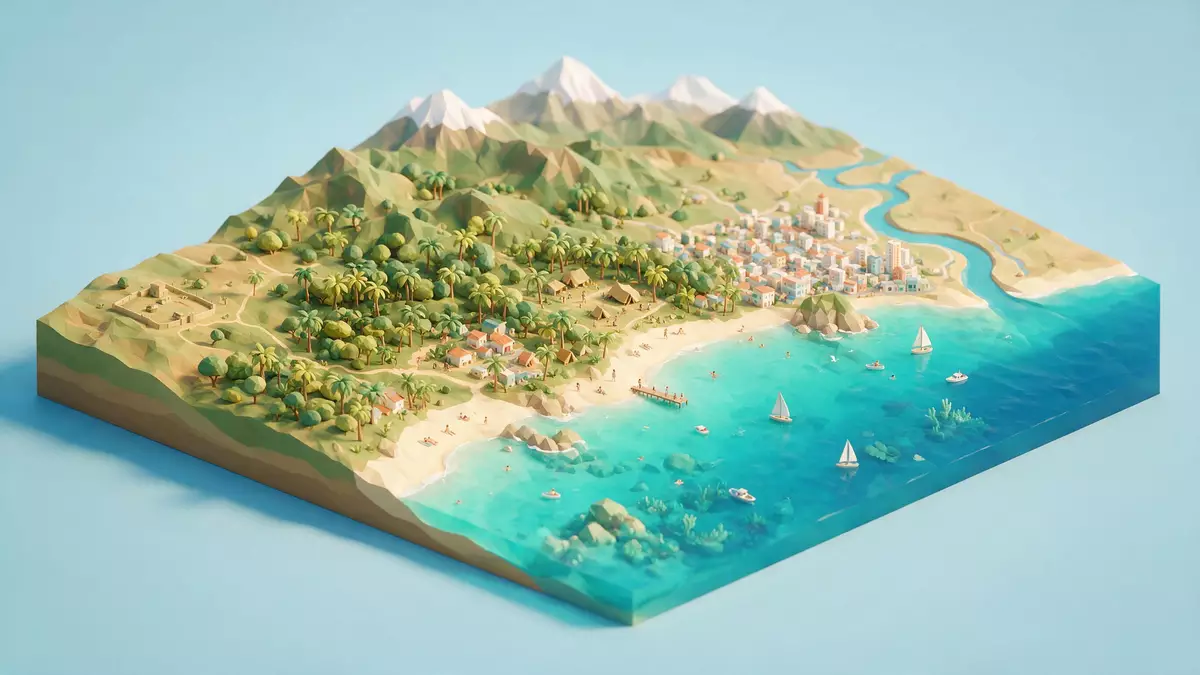
Parque Nacional Natural Tayrona’s beaches and forested coast
Published on 08/10/2026 at 15:00 | Editorial responsibility: Rafael Müller, Editor-in-Chief AD HOC NEWS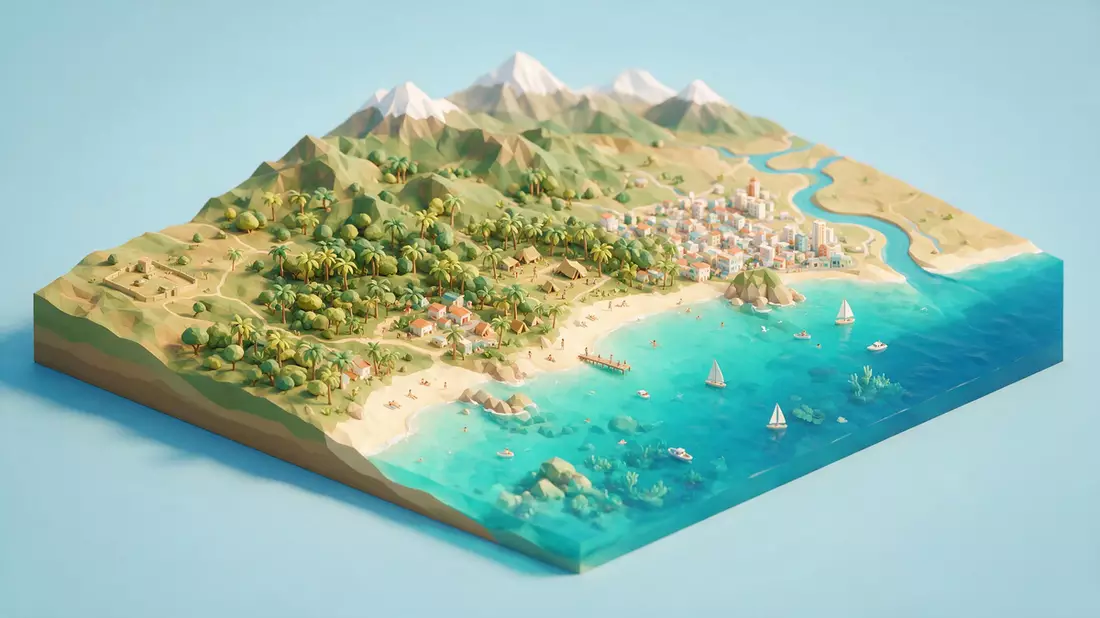
Parque Nacional Natural Tayrona lies on Colombia’s Caribbean coast near Santa Marta, where forested slopes meet a chain of coves and rocky headlands. The park is closely associated with the Tayrona people and with the Sierra Nevada de Santa Marta, the mountain range that rises behind the shoreline.
Tayrona’s coast of coves, rock and forest
The first thing many visitors notice is the sequence of beaches separated by granite boulders, headlands and dense vegetation. The coastline feels assembled from distinct pieces rather than one long sweep of sand, and the walking routes connect them in stages.
Sea, forest and stone sit close together throughout the park. Coconut palms, dry tropical woodland and darker coastal forest appear beside open viewpoints, while the shore alternates between broad sand, sheltered inlets and areas of rougher rock.
Indigenous heritage and the Sierra Nevada frame
The park’s name recalls the Tayrona civilisation, whose descendants include the Kogui, Wiwa, Arhuaco and Kankuamo communities in the Sierra Nevada de Santa Marta. Their presence gives the area a cultural depth that reaches beyond scenery alone.
This mountain-to-sea setting is one of the clearest features of the place. The coast sits under steep green slopes, and the landscape changes quickly from shoreline to hill country, with the Sierra Nevada visible behind the park’s lower ground.
Walking routes between beach and canopy
Movement through Tayrona is part of the experience. Paths lead from one beach to another, sometimes over rocky ground and sometimes through shaded sections where roots and stones mark the way.
Cabins, campsites and simple visitor facilities appear in different parts of the park, but the setting remains the main feature. The balance of trail, coast and woodland gives the place a rhythm that shifts from open shoreline to enclosed forest in a few minutes on foot.
Visiting Parque Nacional Natural Tayrona: what travellers from Western Europe should know
- The park is reached from Santa Marta by road, with access continuing on foot along trails inside the protected area.
- Admission arrangements and opening hours are set by the site's operator and change with the season; the official website is the only binding source.
- Dry months are often the easiest time for walking and beach time, while the wetter season brings heavier vegetation and more difficult paths.
- Parts of the park involve uneven ground, sandy stretches, stone steps and longer walks between beaches.
- Spanish is the main language in the area, and small local purchases are often handled in cash.
- Entry requirements depend on your nationality. UK travellers should check the FCDO travel advice at gov.uk/foreign-travel-advice; Irish travellers the Department of Foreign Affairs at ireland.ie; EU and EEA citizens their own national foreign ministry.
Searching for Parque Nacional Natural Tayrona on social platforms
These links open searches for Parque Nacional Natural Tayrona on each platform.
Frequently asked questions about Parque Nacional Natural Tayrona
Where is Parque Nacional Natural Tayrona?
It is on Colombia’s Caribbean coast near Santa Marta, beside the Sierra Nevada de Santa Marta. The park combines shoreline, wooded hills and a strong indigenous cultural landscape.
What does a visit involve?
Expect beach-to-beach walking, uneven paths and stretches of sand and stone. The setting rewards unhurried movement rather than a quick drive-through stop.
What makes it distinctive?
The park’s mix of Caribbean coast, forested terrain and Tayrona heritage gives it a layered identity. The landscape changes quickly as you move between sea level and the hills behind it.