
Plaza Vieja in Havanna, a stone square of layered Cuban history
Published on 09/05/2026 at 07:52 | Editorial responsibility: Rafael Müller, Editor-in-Chief AD HOC NEWS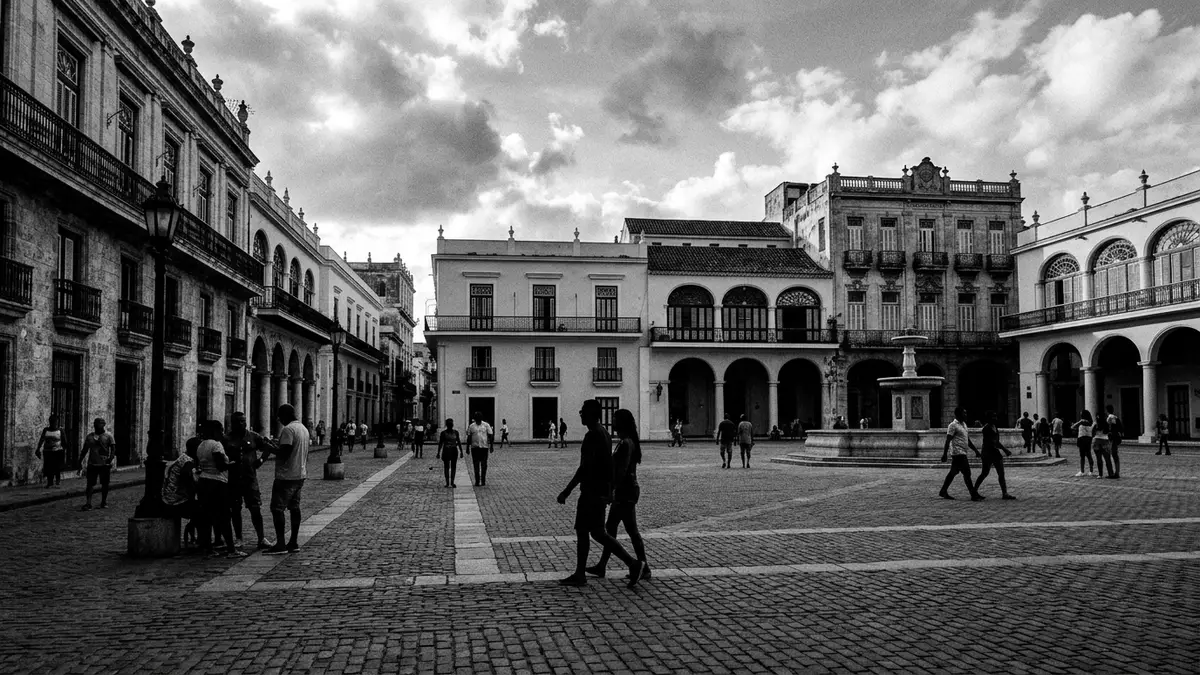
Plaza Vieja in Havanna is an open stone square in the historic centre of Cuba’s capital, where centuries of Cuban architecture frame a single paved space and turn it into a compact record of Old Havana’s past. Laid out in 1559 as Plaza Nueva, it belongs to the earliest generation of planned civic squares in the city and later took on its present name as other plazas emerged nearby.
From Plaza Nueva to Plaza Vieja in colonial Havana
Plaza Vieja stands within La Habana Vieja, the old quarter that forms the historic core of Havana and sits inside the World Heritage listing officially known as Old Havana and its Fortification System.Old Havana and its Fortification System When the square first appeared in the mid-sixteenth century it was known as Plaza Nueva, an additional civic space laid out after Plaza de Armas and Plaza de San Francisco as the growing Spanish colonial port needed more room for urban life.the plaza emerged in 1559
The name Plaza Vieja dates from the nineteenth century, when a “new market” at Plaza del Cristo brought a fresh commercial focus to a different part of town and left this earlier square with the “old” label that it carries today.the name by which it is known In its colonial decades Plaza Vieja formed part of Havana’s civic and commercial core, used for markets, public events and gatherings that drew residents from the surrounding streets.a centre for urban activity Over time its role shifted between marketplace, ceremonial stage and residential focus, but the open stone surface and the enclosing facades kept the square recognisable as a single urban room.
Architecture around the stone surface
The defining experience of Plaza Vieja lies in the architecture that encloses it on all sides, with colonial and later buildings sharing the same perimeter around the paved ground.buildings with Cuban baroque architecture Many of the surrounding structures date from the seventeenth, eighteenth and nineteenth centuries, with additional examples from the early twentieth century, so a walk along the edges traces changing tastes in Havana across more than three hundred years.constructions from the 17th to the 20th centuries
Architecturally, the square’s perimeter mixes baroque fronts with later neoclassical and eclectic treatments, arcaded ground floors in places and taller residential elevations above.architecturally eclectic square Facades vary in colour and ornament yet keep a broadly consistent scale, giving the stone interior a sense of enclosure without turning it into a canyon. Balconies overlook the square, with doors and windows opening onto upper levels, and in places arcades line the edges to provide shaded walkways beside the open space. Within this architectural frame sits the square itself, a largely unobstructed paved surface with a central fountain and low boundary elements that emphasise the large continuous slab of stone.
Plaza Vieja within Old Havana’s historic fabric
Plaza Vieja forms one of several named plazas in La Habana Vieja, alongside Plaza de Armas, Plaza de San Francisco, Plaza del Cristo and Plaza de la Catedral, each marking a different aspect of the colonial city’s layout.a group of historic squares As a space originally set up for civic and commercial functions rather than military or ecclesiastical authority, it adds a distinct note to the ensemble: where some nearby squares foreground churches or fortifications, Plaza Vieja foregrounds domestic facades and mixed-use urban blocks.
The square has shared in wider efforts to preserve and restore Old Havana’s historic fabric under the guidance of the Oficina del Historiador de la Ciudad de La Habana and international bodies, reflecting the city’s recognised value as a Spanish colonial port in the Caribbean.restorations ordered by UNESCO-backed agencies As a result, the buildings around Plaza Vieja present a more coherent historic frontage than many ordinary streets, drawing attention to elements such as wrought-iron balconies, wooden shutters and carved stone details that might otherwise blend into the wider cityscape.
Visiting Plaza Vieja: what travellers from Western Europe should know
- Plaza Vieja lies in La Habana Vieja, the historic district of Havana, and is reached on foot from the surrounding streets, where taxis and local transport set down visitors.
- The square itself is a broad paved expanse with low steps and shallow level changes at its edges, while the approach streets are narrow and built on stone.
- Nearby landmarks include Plaza de Armas and Plaza de San Francisco, which sit within walking distance and form part of the same historic network of Havana squares.
- The official language is Spanish and the currency is the Cuban peso.
- Entry requirements depend on your nationality; UK travellers can check the FCDO travel advice at gov.uk/foreign-travel-advice, Irish travellers the Department of Foreign Affairs at ireland.ie.
Searching for Plaza Vieja on social platforms
These links open searches for Plaza Vieja on each platform.
Frequently asked questions about Plaza Vieja
Where is Plaza Vieja in Havanna?
Plaza Vieja is a historic square in La Habana Vieja, the old quarter of Havana in Cuba, located within the recognised historic core of the city.
What should visitors expect on a visit to Plaza Vieja?
Visitors encounter a broad paved square enclosed by colonial and later buildings, with arcades, balconies and a central fountain, and narrow streets feeding into the space.
What makes Plaza Vieja distinctive among Havana’s squares?
Its mix of seventeenth to twentieth-century facades, domestic scale and role as a civic and commercial space gives Plaza Vieja a layered architectural character within Old Havana.


