
Pont Alexandre III, Paris’s low arch of the Belle Époque
Published on 08/23/2026 at 11:21 | Editorial responsibility: Rafael Müller, Editor-in-Chief AD HOC NEWS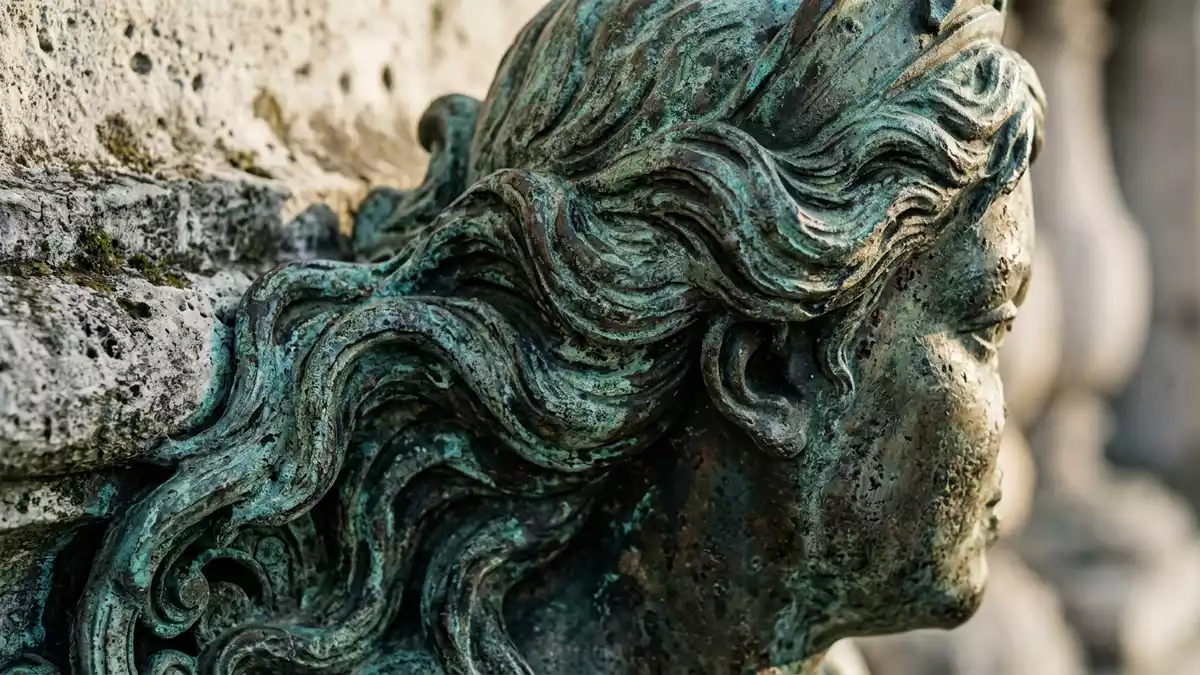
Pont Alexandre III spans the Seine in central Paris with a single low steel arch, wrapped in Belle Époque sculpture and gilded figures that frame views of the city’s monuments. Named for Tsar Alexander III of Russia, the bridge was completed for the Exposition Universelle of 1900 and links the Esplanade des Invalides with the avenues leading towards the Champs-Élysées.
A Belle Époque bridge between Invalides and the Grand Palais
Pont Alexandre III crosses the River Seine between the historic Esplanade des Invalides on the Left Bank and Avenue Winston Churchill on the Right Bank, near the Grand Palais and Petit Palais. The bridge sits between Pont de la Concorde and Pont des Invalides, part of the dense sequence of crossings that structure this stretch of the river. Its position between the Invalides and the Grand Palais makes it a natural route between military history and exhibition spaces.
The bridge is a steel arch structure with a single long span supported by massive abutments on each bank, designed to keep the arch low so as not to obstruct river views. Technical descriptions classify it as a three-hinge steel arch, with a main span of about 107.5 m (353 ft) and a total length around 160 m (525 ft). The deck is notably broad for a bridge of its era, with published figures giving a width of roughly 40 to 45 m (131 to 148 ft), allowing space for carriageways and generous pavements on both sides.The three-hinge steel arch and its main span define the bridge’s engineering character.
Franco-Russian friendship and the Exposition Universelle
The name Pont Alexandre III honours Tsar Alexander III of Russia, marking the diplomatic alliance between France and Russia in the 1890s and turning foreign policy into visible city infrastructure.Alexander III’s Franco-Russian Alliance of 1892 gave the bridge its dedication, while his son Nicholas II travelled to Paris to lay the foundation stone in October 1896, a ceremonial act recorded in multiple accounts of the bridge’s history.Nicholas II’s foundation stone ceremony in 1896 tied the structure directly to the Russian imperial family.
Construction took place in the late nineteenth century, with work beginning in 1897 and finishing in time for the Exposition Universelle, the world’s fair held in Paris in 1900. Engineers Jean Résal and Amédée Alby and architects Cassien-Bernard and Gaston Cousin were involved in the project, which was part of a wider programme that also produced the Grand Palais and Petit Palais for the same exhibition.The engineers and architects behind Pont Alexandre III shaped both its structure and its decorative scheme. The bridge was inaugurated in April 1900, just before the opening of the Exposition Universelle, and has since become one of the clearest surviving pieces of infrastructure from that event.
Sculpture, gilding and Belle Époque decoration
Pont Alexandre III is celebrated for its exuberant decoration, combining Beaux-Arts composition with strong Art Nouveau elements. At each corner of the bridge stand tall pylons surmounted by gilded winged figures, representing allegorical themes connected with the arts, war or triumph, and visible from afar along the river. Along the balustrades and lamp standards, sculpted cherubs, nymphs and coats of arms reflect the taste of the Belle Époque and connect the bridge visually to the nearby exhibition palaces.Descriptions of the Belle Époque décor underline how thoroughly the structure is covered with sculpture.
On the right-bank side closer to the Champs-Élysées, inscriptions on the stone record the date of inauguration and mention Emile Loubet, President of the French Republic, who opened the Exposition Universelle and the bridge in April 1900.The inauguration inscription naming Emile Loubet turns a ceremonial moment into part of the everyday fabric. The decorative programme also includes shields bearing the coats of arms of Paris and Saint Petersburg, reinforcing the Franco-Russian theme in stone and metal along the parapets.
Visiting Pont Alexandre III: what travellers from Western Europe should know
- Pont Alexandre III stands over the Seine between the Esplanade des Invalides and Avenue Winston Churchill in central Paris, within walking distance of sites such as the Grand Palais and Petit Palais.
- The bridge deck is broad, with separate carriageways and pavements, but the approaches involve standard kerbs and street crossings that require attention in city traffic.
- The official language in France is French and the currency is the euro.
- Entry requirements depend on your nationality; UK travellers can check the FCDO travel advice at gov.uk/foreign-travel-advice, Irish travellers the Department of Foreign Affairs at ireland.ie.
Searching for Pont Alexandre III on social platforms
These links open searches for Pont Alexandre III on each platform.
Frequently asked questions about Pont Alexandre III
Where is Pont Alexandre III in Paris?
Pont Alexandre III crosses the Seine between the Esplanade des Invalides and Avenue Winston Churchill in central Paris, close to the Grand Palais and Petit Palais.
What should visitors expect on the bridge?
Visitors encounter a broad deck carrying road traffic and pavements, lined with ornate lamp standards, sculpted figures and gilded pylons that frame views along the river.
What makes Pont Alexandre III distinctive among Paris bridges?
The bridge combines a single low steel arch with dense Belle Époque decoration and Franco-Russian symbolism, created for the Exposition Universelle of 1900 and dedicated to Tsar Alexander III.


