
Potala Palace resumes Monday closures on 21 September
Published on 09/27/2026 at 08:51 | Editorial responsibility: Rafael Müller, Editor-in-Chief AD HOC NEWS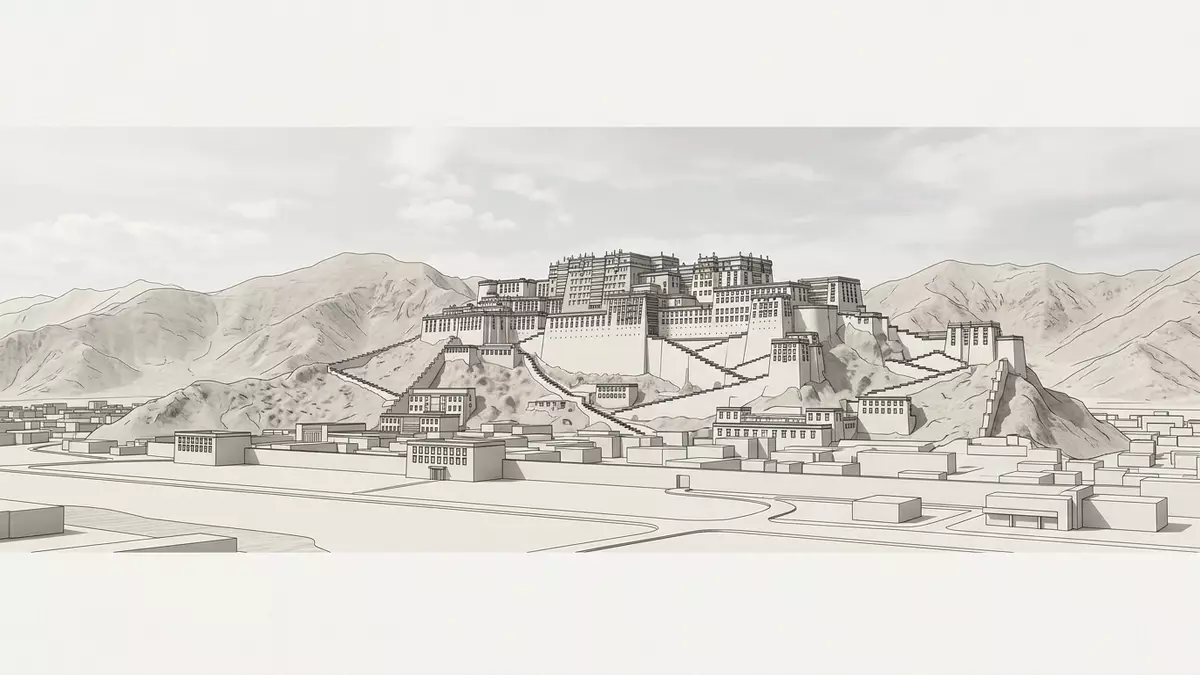
Potala Palace and its Monday closure policy are now relevant to visitors in Lhasa, after the palace administration resumed weekly closures on 21 September 2026. The complex, known locally as ????, is closed on Mondays except during China’s national statutory holidays.
Potala Palace closes on Mondays from 21 September
The decision applies from 21 September 2026 and affects visits during the current autumn travel period. The Lhasa municipal government published the announcement after receiving the information from the Potala Palace administration. The notice says the weekly closure is intended to support the protection of the historic buildings, infrastructure maintenance and visitor services.
During each closure, staff will carry out inspections of the cultural relics and historic structures, update exhibition content, maintain public facilities and sanitise the environment. The announcement names the palace itself as the venue affected, making the change directly relevant to anyone planning a visit in late September or October. The official closure announcement also says that holiday arrangements or other changes will be published through official channels.
Monday closures affect a UNESCO-listed palace complex
The decision concerns the historic ensemble on Red Mountain in the centre of the Lhasa Valley. UNESCO describes the site as comprising the White Palace, the Red Palace and ancillary buildings at an altitude of 3,700 metres (12,139 ft). The complex is part of the Historic Ensemble of the Potala Palace, Lhasa, which is inscribed on the World Heritage List.
The Monday pause therefore affects more than a single exhibition room. Visitors planning to see the palace’s principal buildings must schedule their arrival for an open day. The timing also places routine conservation and maintenance work directly alongside public access, linking the new visitor rule with the physical care of a high-altitude historic complex. UNESCO’s World Heritage description identifies the buildings and their setting on Red Mountain.
Autumn planning for the Potala Palace in Lhasa
For travellers from Western Europe, the practical change is simple: a Monday itinerary can no longer assume entry to the palace. National statutory holidays are excluded from the general closure rule, but the announcement advises visitors to check the latest official arrangements before travelling.
Visiting Potala Palace: what travellers from Western Europe should know
- The Monday closure took effect on 21 September 2026 and continues weekly, except during China’s national statutory holidays.
- Access is unavailable during the Monday closure because the palace uses that time for inspections, conservation work, exhibition updates, facility maintenance and environmental sanitisation.
- The site is in Lhasa, on Red Mountain in the centre of the Lhasa Valley, at an altitude of 3,700 metres (12,139 ft).
- The complex includes the White Palace, the Red Palace and ancillary buildings, so the closure applies to the historic ensemble rather than only one named room.
- The official language is Mandarin Chinese and the national currency is the renminbi.
- Entry requirements depend on your nationality; UK travellers can check the FCDO travel advice at gov.uk/foreign-travel-advice, Irish travellers the Department of Foreign Affairs at ireland.ie.
Searching for Potala Palace on social platforms
These links open searches for Potala Palace on each platform.
Frequently asked questions about Potala Palace
When did the Monday closure at Potala Palace begin?
The weekly closure resumed on 21 September 2026. National statutory holidays are excluded from the rule.
Why is Potala Palace closed on Mondays?
The closure period is used for inspections, conservation work, exhibition updates, facility maintenance and environmental sanitisation.
Where is Potala Palace and how do you get there?
Potala Palace is on Red Mountain in the centre of the Lhasa Valley, in Lhasa, China. UNESCO places the complex at an altitude of 3,700 metres (12,139 ft).


