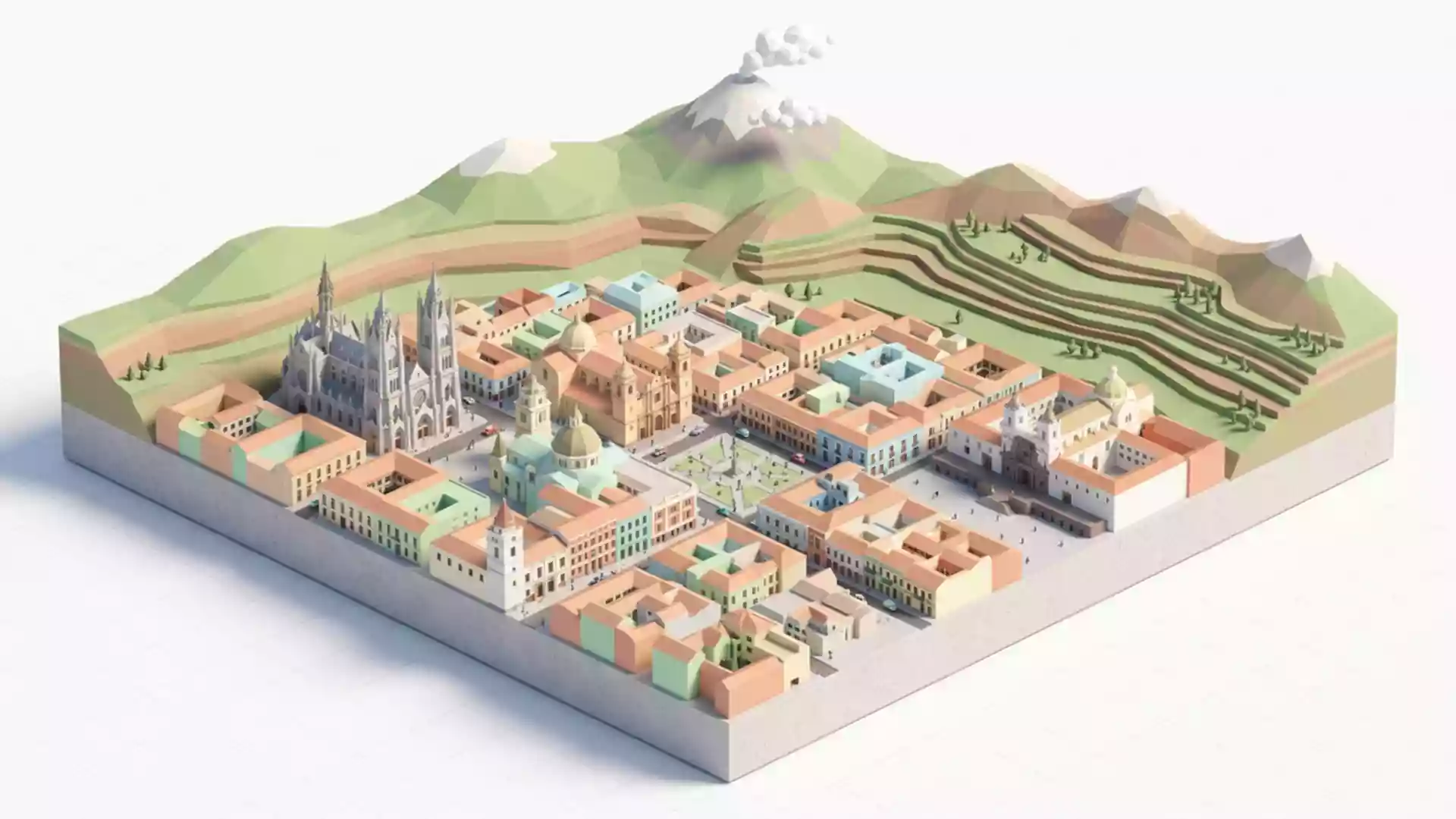
Quito began roadworks in Historic Centre on 20 October
Published on 10/24/2026 at 11:41 | Editorial responsibility: Rafael Müller, Editor-in-Chief AD HOC NEWSRoad repairs and heritage access
- Municipal roadworks began on Bolívar street in Quito on 20 October 2026.
- The wider programme covers routes serving San Francisco and La Carolina Metro stations.
- UNESCO inscribed Quito on the World Heritage List in 1978 after its foundation in 1534.
- Line 1 reaches the historic centre at San Francisco station.
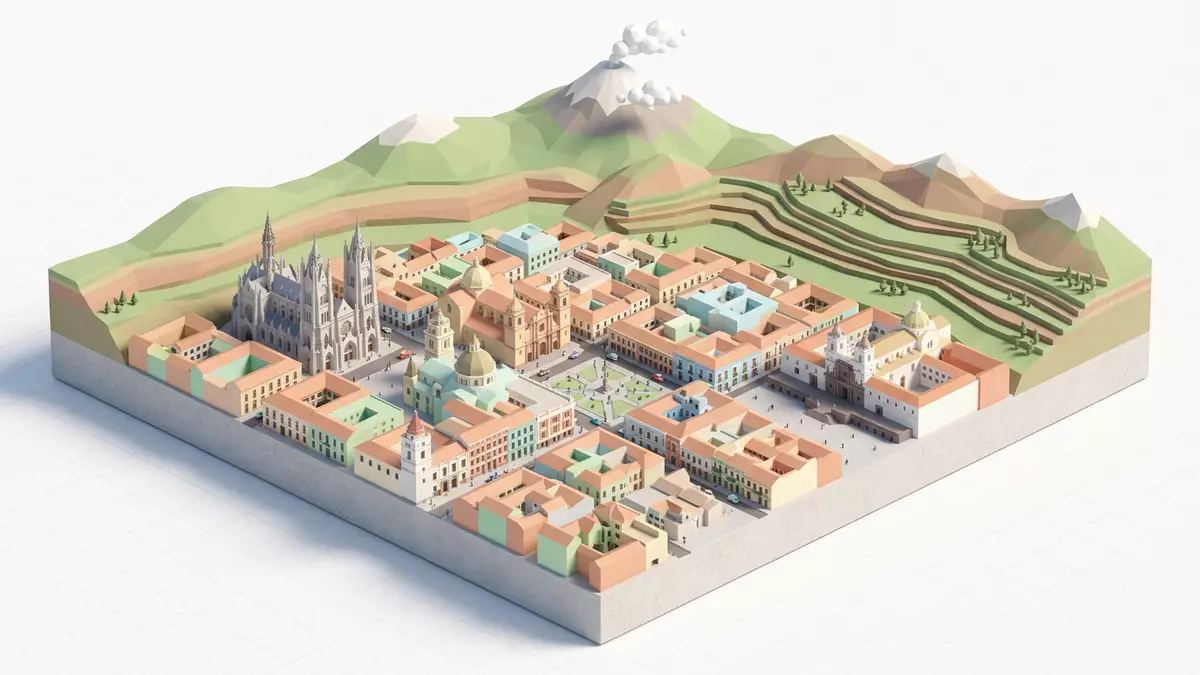
Roadworks at Historic Centre of Quito (Centro Histórico de Quito) began on Bolívar street in Quito on 20 October 2026, forming part of a municipal programme aimed at improving routes towards Metro stations. The work affects movement through the heritage area while visitors continue to reach its churches, squares and museums.
Bolívar roadworks begin on 20 October in Quito
The Municipality of Quito announced a fourth phase of rehabilitation covering 13 streets and 4 kilometres of road connections in the centre and north of the city. The programme started on 3 October 2026 and was planned to run in stages so that vehicle and pedestrian movement could continue with a reduced impact.
Within the old town, the first works covered Carchi street between Cuenca and Sebastián de Benalcázar, together with Imbabura street between Rocafuerte and Babahoyo, from 3 to 19 October 2026. The next phase began on Bolívar street on 20 October 2026 and covers 1,659 metres. The municipal notice lists resurfacing, repairs to kerbs, drains and manholes, and new horizontal road markings among the tasks. the municipal roadworks plan gives the dates and affected streets.
Road repairs meet Quito’s World Heritage streets
The road scheme reaches a part of the city whose street pattern is itself part of the heritage setting. UNESCO says Quito was founded in 1534 on the ruins of an Inca city and retains one of the most extensive and best-preserved historic centres in Spanish America.
The historic area includes the monasteries of San Francisco and Santo Domingo, as well as the church and Jesuit college of La Compañía. UNESCO recorded the City of Quito on the World Heritage List in 1978, and describes its architecture as a meeting of European and indigenous traditions. That history gives the current work a practical significance: repairs are being carried out on routes that connect everyday transport with buildings and public spaces protected for their cultural value. UNESCO’s Quito profile records the inscription and the site’s historic structure.
Metro connections shape the practical visit
The municipal programme is organised around connections to San Francisco station in the historic centre and La Carolina station farther north. For visitors, the key point is that the works concern approach roads rather than a closure of a named church, museum or square. The notice gives alternative routes for the earlier Carchi and Imbabura phases, including Sebastián de Benalcázar, Rubén Darío and Cuenca, and directs south-to-north traffic towards Mariscal Sucre and the San Roque and San Juan tunnels.
Visiting Historic Centre of Quito: what travellers from Western Europe should know
- The current roadworks peg began on Bolívar street in Historic Centre of Quito on 20 October 2026, after earlier works on Carchi and Imbabura from 3 to 19 October 2026.
- Access to the heritage area is affected by road rehabilitation and changing routes, but the announcement does not state that the main churches, museums or squares are closed.
- Quito lies in the Andes of Ecuador, and UNESCO places the city at 2,818 metres above sea level; walking visitors should expect steep streets and changing gradients.
- Line 1 of the Quito Metro serves San Francisco station in the historic centre, providing a named public-transport approach while Bolívar street is under work.
- The official language is Spanish and the national currency is the US dollar.
- Entry requirements depend on your nationality; UK travellers can check the FCDO travel advice at gov.uk/foreign-travel-advice, Irish travellers the Department of Foreign Affairs at ireland.ie.
Searching for Historic Centre of Quito on social platforms
These links open searches for Historic Centre of Quito on each platform.
Frequently asked questions about Historic Centre of Quito
What has changed at Historic Centre of Quito?
Municipal roadworks began on Bolívar street on 20 October 2026, after earlier work on Carchi and Imbabura.
Where is Historic Centre of Quito and how do you get there?
It is in Quito, Ecuador, and Line 1 reaches the area at San Francisco station.
What is Historic Centre of Quito?
It is Quito’s colonial historic area, founded in 1534 and inscribed on the UNESCO World Heritage List in 1978.