
Researchers confirm Easter Island moai walked on 3 October
Published on 10/04/2026 at 05:49 | Editorial responsibility: Rafael Müller, Editor-in-Chief AD HOC NEWS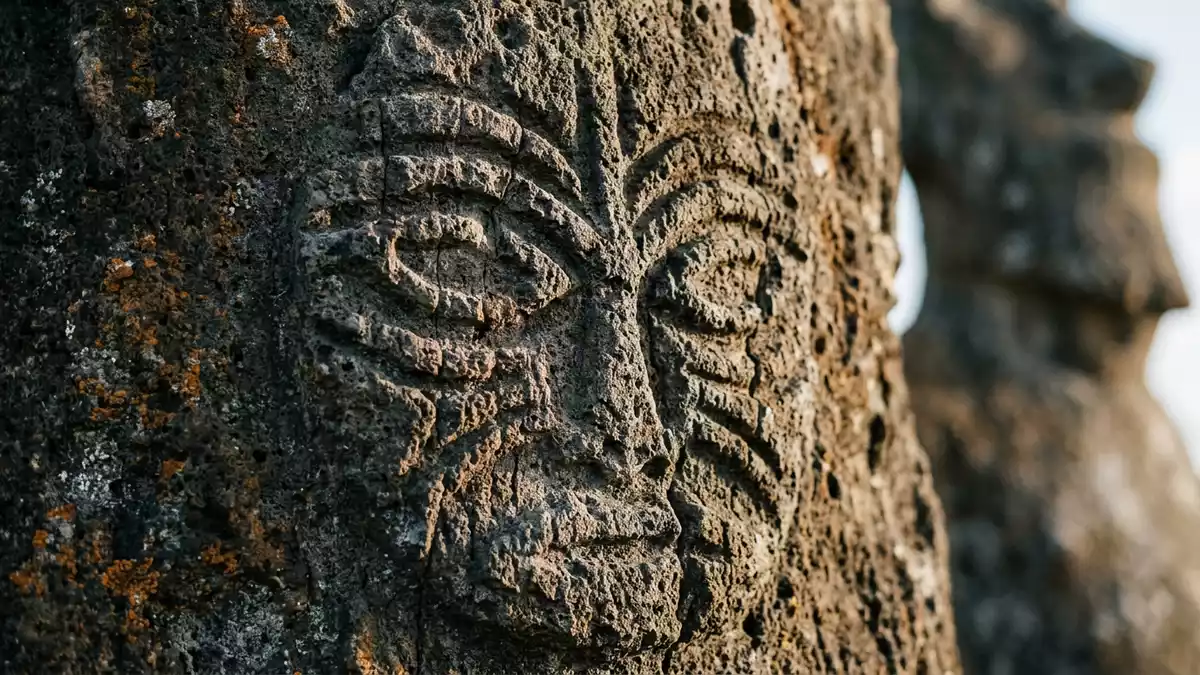
Easter Island is at the centre of walking moai research announced on 3 October 2026, as new modelling and field tests support a theory about how the statues were moved. The finding connects the island's archaeological roads with a long-running question about its monumental stone figures.
Walking moai research reaches a new test
The research team included Binghamton University archaeologist Carl Lipo and University of Arizona researcher Terry Hunt. Their work combined physics, three-dimensional modelling, archaeological evidence and practical experiments to examine whether the statues could have travelled upright rather than on horizontal wooden devices.
The team studied nearly 1,000 moai and identified broad, D-shaped bases and a forward lean as features that could support a rocking movement. A 4.35-ton replica was then moved 100 metres in 40 minutes by 18 people, using ropes and alternating pulls to create a zig-zagging motion, Binghamton University describes the experiment.
The announcement also refers to a paper titled The Walking Moai Hypothesis: Archaeological Evidence, Experimental Validation, and Response to Critics, published in the Journal of Archaeological Science. The work does not place a new statue on the island, but offers a tested explanation for how earlier communities may have moved existing ones from quarries to ceremonial platforms.
Easter Island roads preserve clues to statue movement
The archaeological landscape contains about 900 statues and more than 300 ceremonial platforms. The figures range from 2 to 20 metres in height and were mostly carved from yellow-brown volcanic tuff, while the quarries preserve statues at several stages of production.
Roads measuring 4.5 metres wide, with concave cross-sections, are part of the evidence behind the walking theory. Their form relates the new experiment to the island itself: the paths were not merely routes for visitors, but may also record how the statues were stabilised during transport.
The wider protected landscape includes Rano Raraku, the principal quarry, and Ahu Tongariki, the largest platform with 15 moai. UNESCO records the archaeological landscape as part of a World Heritage property that reflects monumental construction between the tenth and sixteenth centuries.
Research puts visitor sites in a wider context
The experiment changes the emphasis from a mystery about isolated statues to a question about design, roads and labour. It also gives visitors a clearer connection between the quarry slopes, abandoned road figures and the restored platforms seen across the island.
Easter Island's national park is a protected Chilean area and a World Heritage Site. The Ma'u Henua Indigenous Community manages the park, which was created in 1935 and inscribed on the World Heritage List in 1995.
Visiting Easter Island: what travellers from Western Europe should know
- The research announcement was published on 3 October 2026 and concerns the island's moai, roads and ceremonial platforms.
- For national park access, visitors must buy an entry ticket and hire an accredited guide. The park requires visitors to keep to marked trails and viewing areas.
- The main archaeological sites include Rano Raraku, Ahu Tongariki, Orongo and the ceremonial centre at Tahai. Hanga Roa is the island's main settlement and visitor base.
- The terrain includes volcanic slopes, open ground and marked walking trails. Comfortable footwear is required by the park's visitor guidance.
- Spanish is Chile's official language and the national currency is the Chilean peso.
- Entry requirements depend on your nationality; UK travellers can check the FCDO travel advice at gov.uk/foreign-travel-advice, Irish travellers the Department of Foreign Affairs at ireland.ie.
Searching for Easter Island on social platforms
These links open searches for Easter Island on each platform.
Frequently asked questions about Easter Island
When was the walking moai research announced?
Binghamton University published its announcement on 3 October 2026. It described modelling, archaeological analysis and field tests involving a replica statue.
Where is Easter Island and how do you get there?
Easter Island is a Chilean island in the Pacific Ocean, with Hanga Roa as its main settlement. The archaeological sites are reached from the settlement by local transport and guided visits.
What is Easter Island?
Easter Island is a protected cultural landscape containing moai, ceremonial platforms, quarries and other archaeological remains. UNESCO lists its national park as a World Heritage Site.


