

Researchers report a genome finding at Copán Ruins on 28 September
Published on 10/11/2026 at 03:09 | Editorial responsibility: Rafael Müller, Editor-in-Chief AD HOC NEWSKey points in brief
- A 28 September 2026 report linked ancient genomes from Copán burials with contacts between Copán and Teotihuacan.
- The research concerns K'inich Yax K'uk' Mo', the first ruler of Copán, whose origins remain under investigation.
- Copán Ruins in Honduras has been on the UNESCO World Heritage List since 1980.
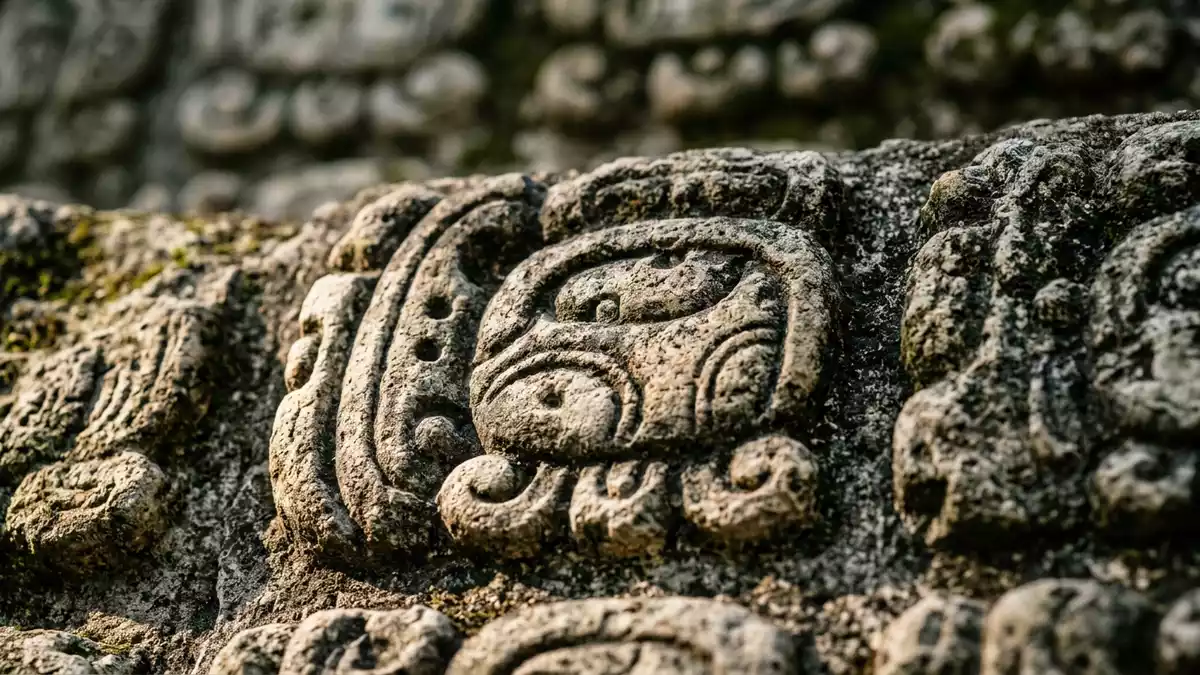
A new genome finding reported from Copán Ruins (Copán Ruinas) in Honduras links ancient DNA from burials at the Maya site with contacts between Copán and Teotihuacan. The finding was reported on 28 September 2026, as archaeologists continued investigating K'inich Yax K'uk' Mo', the first ruler of the Copán dynasty.
Genome finding at Copán Ruins links two Maya-era centres
The report describes research into genomes from several ancient burials excavated at the site. Archaeologist Seiichi Nakamura said the analysis confirmed a mixture of genomes between people from Teotihuacan and Copán, adding biological evidence to earlier archaeological indications of contact.
The finding does not settle the question of where K'inich Yax K'uk' Mo' was born. Researchers continue to consider possibilities including Caracol in Belize and the Tikal area of northern Guatemala, while material from Copán points towards connections across Mesoamerica. The 28 September research report also links the finding to pottery, obsidian, sacred architecture, murals and inscriptions.
Copán Ruins puts the genome finding into a wider history
The research matters because the site preserves evidence from the founding period of its ruling dynasty and from later centuries. The dynasty had 16 rulers, according to the report, and royal tombs contain pottery associated with Teotihuacan as well as obsidian from Mexico.
Investigations at the site have also identified a fragment of a stela connected with two rulers. The fragment was found during work at Temple 7 in 2024 and refers to the sixth ruler telling the fourth that he came from Rio Azul, an early Classic-period site north of Tikal.
The relationship between the new genetic evidence and the visible remains gives visitors a more specific way to read the landscape. Temple 7, royal tombs, stelae and the founder's funerary temple are not separate from the research story; they are the archaeological evidence against which the genome finding is being considered.
World Heritage status frames the archaeological research
The Maya Site of Copan was inscribed on the UNESCO World Heritage List in 1980. UNESCO describes it as a former political, civil and religious centre with major value for understanding cultural development during the Classic period of Maya civilisation.
Another important part of the story is Temple Margarita. The temple was discovered between 1992 and 1993 by a project led by archaeologist Robert Sharer, and its remains were associated with K'inich Yax K'uk' Mo'. Its stucco facade shows a quetzal and a macaw with intertwined necks, imagery connected with the ruler's name and history.
The genome finding therefore extends a long research record rather than replacing the site's monuments. It connects laboratory evidence from ancient burials with architecture, sculpture, writing and materials already documented at Copán.
Visiting Copán Ruins: what travellers from Western Europe should know
- The genome finding was reported on 28 September 2026 from the Maya archaeological site in western Honduras.
- The report concerns archaeological research and continuing investigation. It does not announce a special opening, closure or changed entrance for visitors.
- The site is in western Honduras, while the nearby town is Copán Ruinas. The research report identifies the archaeological setting and says tourists can continue visiting the site.
- Spanish is the official language of Honduras and the national currency is the lempira. Entry requirements depend on your nationality; UK travellers can check the FCDO travel advice at gov.uk/foreign-travel-advice, Irish travellers the Department of Foreign Affairs at ireland.ie.
Searching for Copán Ruins on social platforms
These links open searches for Copán Ruins on each platform.
Frequently asked questions about Copán Ruins
When was the genome finding at Copán Ruins reported?
The genome finding was reported on 28 September 2026. It linked ancient DNA from burials with contacts between Copán and Teotihuacan.
What is Copán Ruins?
It is a Maya archaeological site in western Honduras and a former political, civil and religious centre. UNESCO has listed the Maya Site of Copán as World Heritage since 1980.
Where is Copán Ruins and how do you get there?
The site is in western Honduras, near the town of Copán Ruinas. The available report identifies the archaeological setting but does not specify a particular station, line or transfer route.


