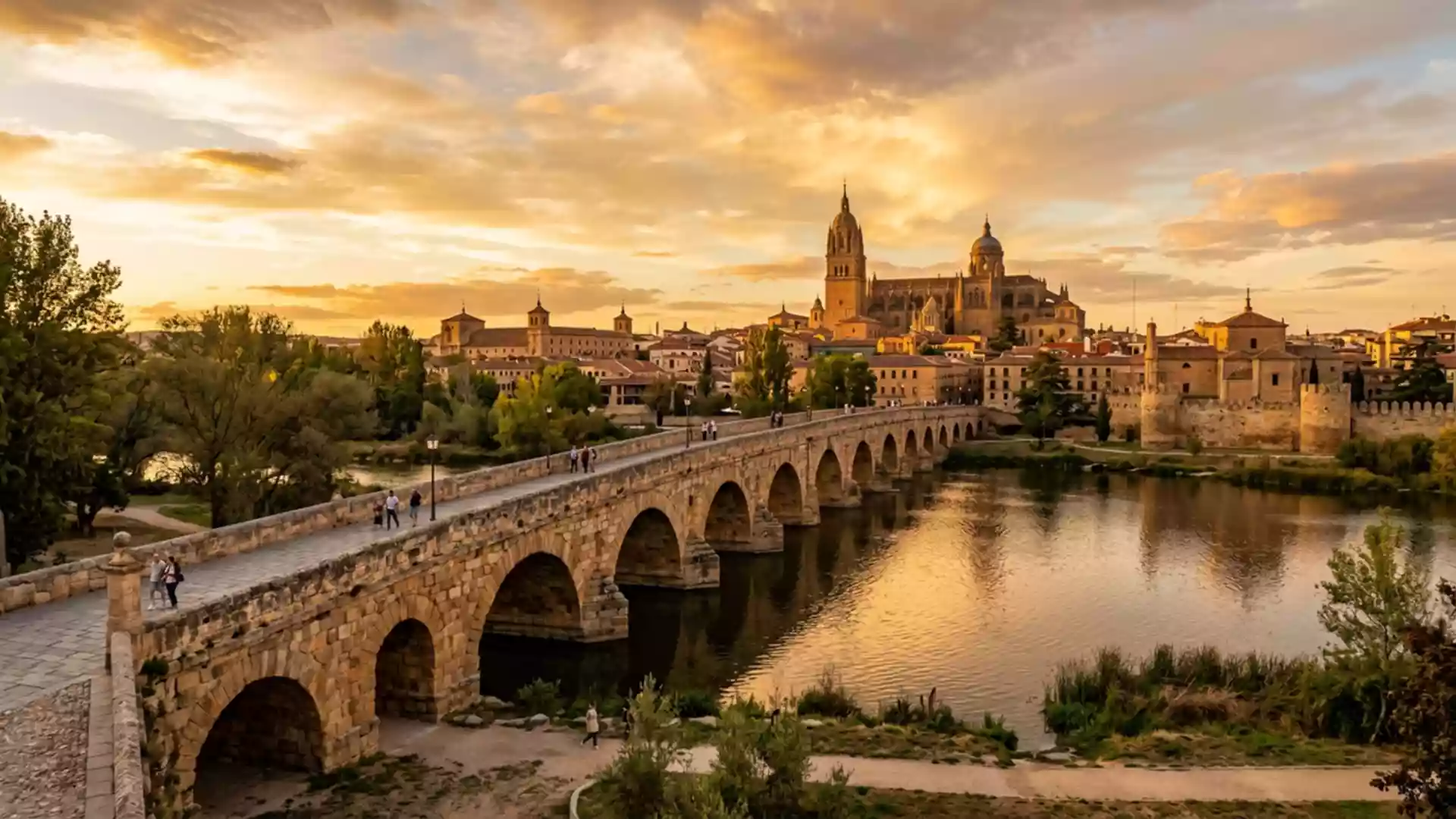
Roman Bridge hosted lung transplant walk on 7 November
Published on 11/14/2026 at 15:06 | Editorial responsibility: Rafael Müller, Editor-in-Chief AD HOC NEWSWalk and bridge heritage
- IBSAL organised the 1st Walk for Lung Transplants from the Roman Bridge on 7 November 2026.
- The three-kilometre route linked the Roman Bridge with the El Tormes Shopping Centre.
- Salamanca Tourism places the bridge over the Tormes and records its role as the southern access route until the early twentieth century.
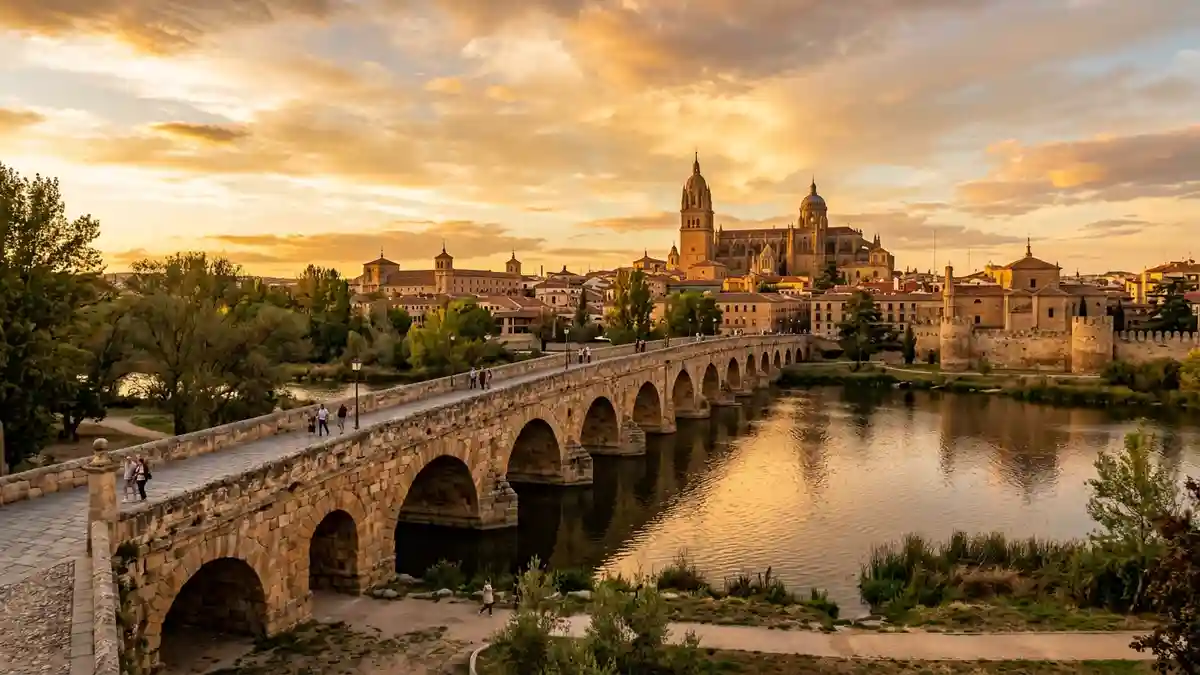
Roman Bridge (Puente Romano de Salamanca) in Salamanca was the starting point for the 1st Walk for Lung Transplants on 7 November 2026. Organised by the Biomedical Research Institute of Salamanca, the event followed a three-kilometre route from the bridge towards the El Tormes Shopping Centre.
The date places the walk within a current programme of events affecting the landmark and gives visitors a concrete recent connection between the bridge and Salamanca’s public life.
1st Walk for Lung Transplants started at Roman Bridge
The organiser’s event page listed the walk for Saturday, 7 November 2026, with the start at 9.15am from the Puente Romano Track and Field Facilities. It identified Salamanca as the location and described the route as running from the Roman Bridge to the El Tormes Shopping Centre. IBSAL’s event listing also gave the scheduled event period as 9.15am to 1pm.
The walk was linked to the Unit for Pulmonary Transplant Rehabilitation within the Rehabilitation Service of the University Hospital of Salamanca, according to La Gaceta de Salamanca’s report. Its stated focus was awareness of organ donation, physical activity and support for people who have received or are awaiting a lung transplant, as well as their families.
Roman Bridge connected the event with Salamanca’s heritage
The Roman Bridge crosses the Tormes on the southern side of Salamanca. The city’s official tourism website describes it as one of the city’s emblematic constructions and says it was the only access route to Salamanca from the south until the beginning of the twentieth century. Salamanca Tourism’s landmark guide places the bridge beside the riverbank route and presents it as part of the city’s visitor landscape.
That history gave the 7 November route a specific setting rather than a generic urban starting point. The walk began beside a crossing that once carried the principal southern approach, then continued towards the modern El Tormes Shopping Centre. For travellers, the bridge therefore served both as a heritage site and as a clearly named point on a recent public route.
The bridge remains a crossing over the Tormes, while the event itself has ended. Visitors inside the current period will find the landmark in its ordinary heritage and riverside setting, not a scheduled continuation of the lung-transplant walk.
Visiting Roman Bridge: what travellers from Western Europe should know
- The 1st Walk for Lung Transplants took place on 7 November 2026, starting at the Puente Romano Track and Field Facilities and following the Roman Bridge to the El Tormes Shopping Centre.
- The walk has ended, so no event access or programme is scheduled at the bridge for the remainder of the current period.
- The landmark stands over the Tormes in Salamanca, on the city’s southern side, and forms part of the riverbank setting described by Salamanca Tourism.
- The route recorded for the walk covered three kilometres and connected the bridge with the El Tormes Shopping Centre.
Searching for Roman Bridge on social platforms
These links open searches for Roman Bridge on each platform.
Frequently asked questions about Roman Bridge
When did the 1st Walk for Lung Transplants take place at Roman Bridge?
The walk took place on 7 November 2026, starting at the Puente Romano Track and Field Facilities in Salamanca.
Where is Roman Bridge and how do you get there?
Roman Bridge crosses the Tormes on Salamanca’s southern side and forms part of the riverbank setting near the historic city.
What is Roman Bridge?
It is a historic crossing over the Tormes that served as Salamanca’s only southern access route until the beginning of the twentieth century.