
Scalinata di Trinita dei Monti turns Rome into a theatre of stone
Published on 09/23/2026 at 13:30 | Editorial responsibility: Rafael Müller, Editor-in-Chief AD HOC NEWS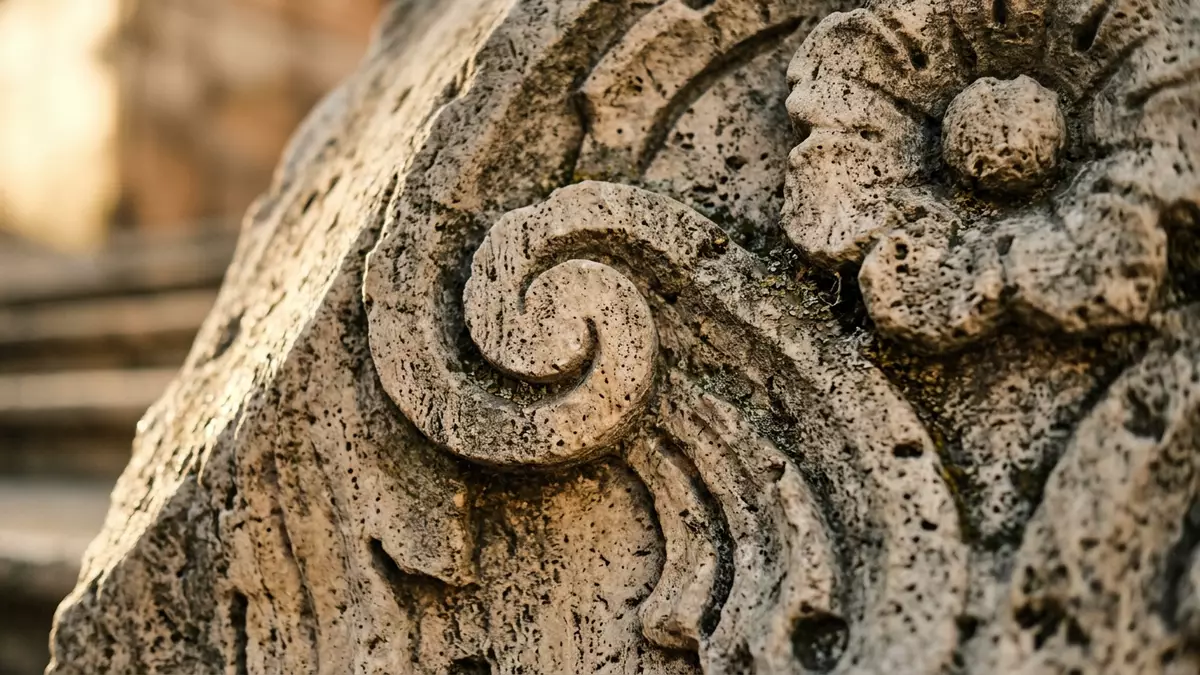
Scalinata di Trinita dei Monti rises between Piazza di Spagna and the church of Trinità dei Monti in Rom. Its broad travertine stairway turns a steep urban slope into a layered composition of steps, landings, curves and terraces.
Scalinata di Trinita dei Monti and its Baroque setting
The staircase belongs to the Roman Baroque and was built between 1723 and 1725. Francesco De Sanctis and Alessandro Specchi are associated with its design, while Pope Benedict XIII was pontiff when the work reached completion.
At the lower end, Piazza di Spagna opens around the Fontana della Barcaccia. At the upper end, the stairway reaches Trinità dei Monti, a church with a long French connection. The name of the staircase reflects this meeting of Roman, French and Spanish institutions.
A staircase built from travertine, landings and curves
The Scalinata di Trinita dei Monti contains 135 steps and climbs roughly 29 metres (95 ft) between the square and the church. Its material is travertine, the pale limestone used throughout Rome.
The stairs are not arranged as one straight flight. Landings interrupt the ascent, while curved sections spread across the slope. Balustrades, retaining walls and raised planting beds divide the stairway into smaller architectural spaces.
The design can be read as a sequence of connected terraces. From the lower square, the church forms the upper focus. From the higher landings, Piazza di Spagna appears below, framed by the stairway’s stone edges and balustrades.
From Piazza di Spagna to Trinità dei Monti
The staircase occupies a central position in Rome’s historic centre. Via dei Condotti approaches Piazza di Spagna from the south-west, while the stairway rises towards the Pincio and the church above.
Étienne Gueffier, a French diplomat, left funds for a monumental connection between the French church and the Spanish diplomatic quarter. The project developed through several proposals before construction began in 1723.
135-step Roman staircase is the familiar English description of the monument. Its architectural language belongs to the eighteenth-century city, yet its setting includes buildings and routes associated with earlier centuries.
The completed stairway was associated with the Jubilee of 1725. Its position connects a public square, a church façade and the streets leading towards the Pincio in one continuous urban scene.
Visiting Scalinata di Trinita dei Monti: what travellers from Western Europe should know
- The staircase stands in central Rom, between Piazza di Spagna and Trinità dei Monti. Rome’s Metro Line A serves Spagna station near the lower square.
- The ascent consists of stone steps, landings and curved sections. Travellers using wheelchairs or pushchairs encounter a stairway rather than a level route.
- Piazza di Spagna and the Fontana della Barcaccia lie at the foot of the monument. The church and the Pincio are at the upper end.
- The official language is Italian and the currency is the euro.
Searching for Scalinata di Trinita dei Monti on social platforms
These links open searches for Scalinata di Trinita dei Monti on each platform.
Frequently asked questions about Scalinata di Trinita dei Monti
Where is Scalinata di Trinita dei Monti?
It stands in central Rom, linking Piazza di Spagna with the church of Trinità dei Monti and the Pincio above.
What can travellers expect on a visit?
The monument consists of travertine steps, landings, curved sections, balustrades and planting beds across a steep urban slope.
What makes the staircase distinctive?
Its 135 steps form a continuous Baroque composition between a Roman piazza and an elevated church, with views along the ascent and back towards Piazza di Spagna.


