
Scientists warn at iSimangaliso Wetland Park on 23 September
Published on 09/27/2026 at 11:40 | Editorial responsibility: Rafael Müller, Editor-in-Chief AD HOC NEWS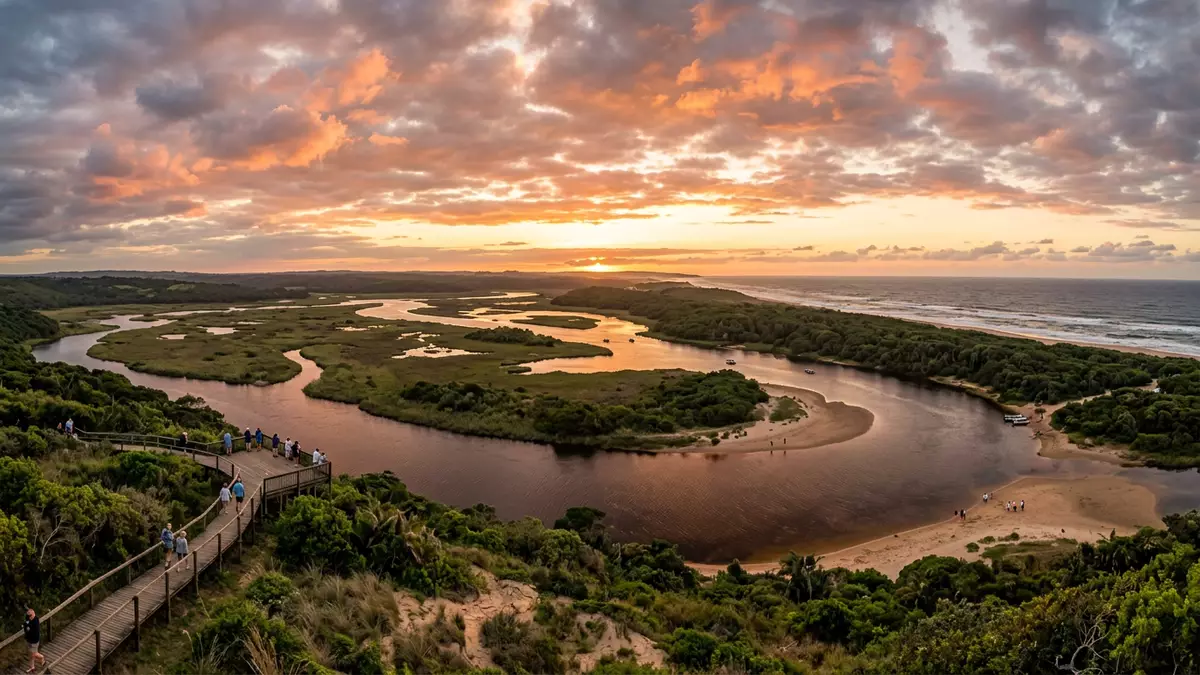
iSimangaliso Wetland Park in St Lucia, South Africa, became the focus of an ecosystem warning on 23 September 2026. Scientists said Lake St Lucia could become a freshwater wetland within the next decade, while the park authority disputes the view that an immediate tipping point is approaching.
Scientists issue an ecosystem warning for Lake St Lucia
Professor Alan Whitfield delivered the warning at a seminar in Makhanda on 23 September 2026. He is emeritus chief scientist at the South African Institute for Aquatic Biodiversity and a leading researcher on the estuarine system.
Whitfield said an analysis of recent monitoring data indicated that the lake was approaching an ecosystem shift. The 23 September warning linked the possible change to falling salinity, sediment deposits and a threatened connection between the lake and the sea.
The projected change would place pressure on marine fish that use the estuary as a nursery. Whitfield said a freshwater system would support a simpler mix of species than the present estuary.
Lake St Lucia anchors the park's World Heritage status
Lake St Lucia is the largest estuarine lake system in Africa and forms a central part of the protected area. The park's World Heritage history begins with its inscription in December 1999.
The park authority does not support the claim that the St Lucia Estuary is nearing an imminent ecological tipping point. A spokesperson told Daily Maverick in June that management decisions should consider long-term monitoring and the full body of available evidence.
The dispute gives the 23 September 2026 warning a specific local setting. It concerns the estuary at the centre of the park, rather than a general climate report or a change to visitor services.
What the estuary warning means for the wider park
The estuary has historically mixed freshwater from rivers such as the uMfolozi and uMkhuze with salt water from the Indian Ocean. The uMfolozi River was fully reconnected to the estuary in 2012 after the lake had nearly dried out in the early 2000s.
Whitfield said sediment-laden river water had since moved towards the lake through the St Lucia Narrows. Deposits of silt and clay could reduce the connection between the estuary and the sea, changing the conditions on which marine species depend.
The wider protected area contains three major lake systems, coastal and marine habitats, and more than 500 bird species. The warning therefore concerns one of the park's defining ecological systems, not a temporary attraction or seasonal programme.
Visiting iSimangaliso Wetland Park: what travellers from Western Europe should know
- The ecosystem warning was issued on 23 September 2026 and concerns Lake St Lucia within the park.
- The report does not announce a closure, cancelled activity or changed entrance for visitors. It describes a scientific dispute about the estuary's future condition.
- St Lucia is the practical reference town for Lake St Lucia and the southern sections of the park. The area lies in northern KwaZulu-Natal, with road access from the N2 and R22.
- Visitors are entering a large wetland and coastal landscape containing estuary, forest, grassland and marine environments. Conditions and terrain vary between the park's sections.
- South Africa's official languages include English and isiZulu, and the national currency is the South African rand.
- Entry requirements depend on your nationality; UK travellers can check the FCDO travel advice at gov.uk/foreign-travel-advice, Irish travellers the Department of Foreign Affairs at ireland.ie.
Searching for iSimangaliso Wetland Park on social platforms
These links open searches for iSimangaliso Wetland Park on each platform.
Frequently asked questions about iSimangaliso Wetland Park
What happened at iSimangaliso Wetland Park on 23 September 2026?
Professor Alan Whitfield warned at a seminar that Lake St Lucia could become a freshwater wetland within the next decade. The park authority disputes the view that an imminent tipping point is approaching.
What is changing at Lake St Lucia?
Scientists say falling salinity, sediment deposits and reduced connection with the sea could alter the estuary's fish and wetland ecology.
Where is iSimangaliso Wetland Park and how do you get there?
The park is in northern KwaZulu-Natal, with St Lucia serving as a reference town for Lake St Lucia. Road access includes the N2 and R22.


