
Summer Palace hosts osmanthus exhibition until 12 October
Published on 09/27/2026 at 11:33 | Editorial responsibility: Rafael Müller, Editor-in-Chief AD HOC NEWS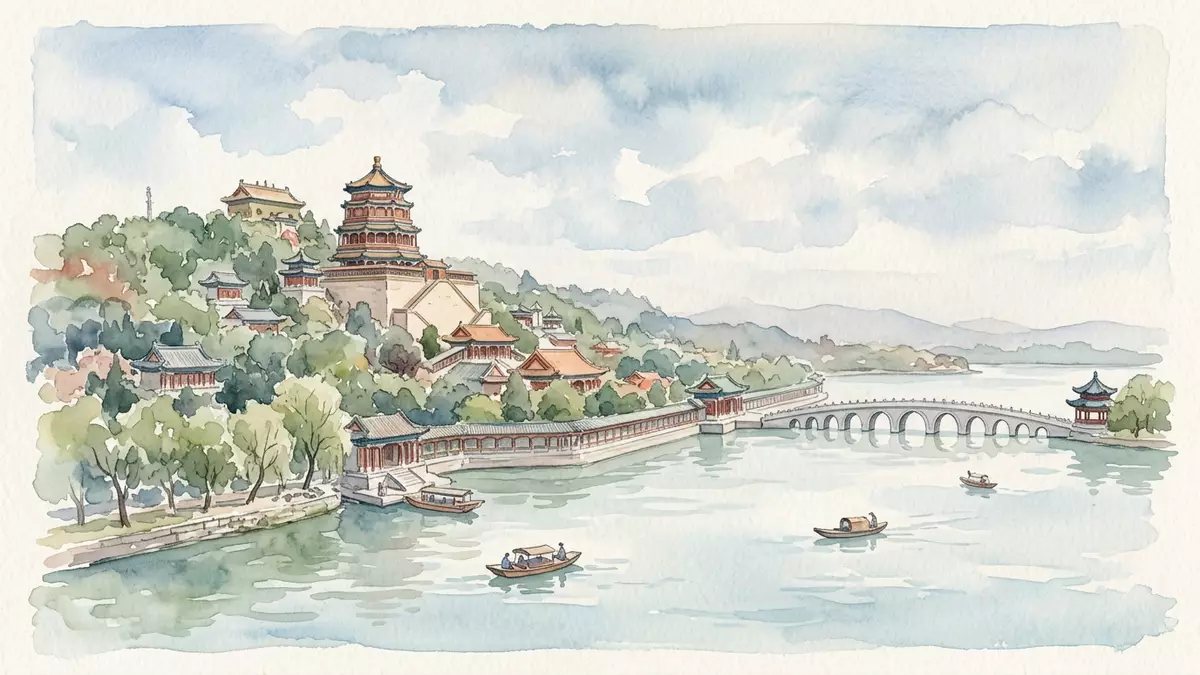
The Summer Palace is hosting its 25th Osmanthus Culture Exhibition until 12 October 2026, giving visitors in Beijing a seasonal programme centred on osmanthus flowers and related cultural markets. The imperial garden, also known as Yiheyuan, is presenting the exhibition across several recognised areas of the site.
Osmanthus exhibition continues at the Summer Palace until 12 October
The exhibition is the 25th edition of the Summer Palace's Osmanthus Culture Exhibition. The Beijing municipal government says the display includes more than 60,000 flowers, with more than 1,000 large potted plants arranged around the garden.
The collection includes nearly 300 pots of ancient osmanthus trees more than 100 years old, alongside osmanthus bonsai, specimens of different ages and more than 800 pots of seasonal flowers. The event is therefore a current programme at the landmark rather than a general autumn reference, with its closing date set for 12 October 2026. The official event guide names the venue and the end date together.
Five viewing areas are identified in the programme: the Garden of Virtue and Harmony, the Summer Palace Museum, the Tower of Buddhist Incense, the Hall of Benevolence and Longevity with East Palace Gate, and the Plowing and Weaving Scenery Area. A flowerbed east of Wenchang Pavilion is also included in the display.
How the flower programme fits the imperial garden
The Summer Palace stands in the western suburbs of Beijing and covers 3.009 sq km, with water occupying three quarters of the area. Its main landscape is formed by Longevity Hill and Kunming Lake, while the garden also contains the Long Corridor, the Seventeen Arch Bridge and several palace and museum areas.
The exhibition's locations connect the seasonal display with the garden's historic route through halls, lakeside viewpoints and enclosed attractions. Visitors can therefore encounter the flower programme beside both the imperial garden's water landscape and its cultural collections, rather than in a separate event venue. The park's official visitor information lists the main sites, entrances and transport links.
The site is regarded by Beijing's official visitor guide as the best-preserved imperial garden in China and as a Museum of Imperial Gardens. The Seventeen Arch Bridge was built in 1750, while the garden's principal identity remains tied to Longevity Hill, Kunming Lake and its palace architecture.
Markets add a second strand to the October programme
An Osmanthus Market is running alongside the exhibition, with cultural and creative products and osmanthus-themed sets offered at scenic spots. A separate cultural and creative market, titled Blooming Summer Palace, Inspiring All Things in the official programme, is located at Bafang Pavilion and the Summer Palace Museum.
The second market has 25 stalls featuring intangible cultural heritage handicrafts, garden-themed products and pop-up activities. Its position at Bafang Pavilion and the museum links the commercial programme to named cultural spaces within the garden.
Visiting Summer Palace: what travellers from Western Europe should know
- The 25th Osmanthus Culture Exhibition continues at the Summer Palace until 12 October 2026.
- The exhibition's named viewing areas include the Garden of Virtue and Harmony, the Summer Palace Museum, the Tower of Buddhist Incense, East Palace Gate and the Plowing and Weaving Scenery Area.
- The garden is in western Beijing at 19 Xinjiangongmenlu in Haidian District. East Palace Gate is served by Xiyuan Station on Metro Line 4, while Beigongmen Station on Line 4 serves North Palace Gate.
- Visitors should expect a large landscape garden containing Longevity Hill, Kunming Lake, the Long Corridor and the Seventeen Arch Bridge, with walking routes between lakeside and hill areas.
- Mandarin Chinese is the official language of China, and the national currency is the renminbi.
- Entry requirements depend on your nationality; UK travellers can check the FCDO travel advice at gov.uk/foreign-travel-advice, Irish travellers the Department of Foreign Affairs at ireland.ie.
Searching for Summer Palace on social platforms
These links open searches for Summer Palace on each platform.
Frequently asked questions about Summer Palace
When does the Osmanthus Culture Exhibition take place at the Summer Palace?
The 25th Osmanthus Culture Exhibition continues until 12 October 2026.
What can visitors see at the Summer Palace exhibition?
The programme includes more than 60,000 flowers, nearly 300 pots of ancient osmanthus trees and related cultural markets.
Where is the Summer Palace and how do you get there?
The garden is in Haidian District in western Beijing. Xiyuan and Beigongmen stations on Metro Line 4 serve the East Palace Gate and North Palace Gate respectively.


