
Tayrona National Park closes from 19 October to 2 November
Published on 09/27/2026 at 15:03 | Editorial responsibility: Rafael Müller, Editor-in-Chief AD HOC NEWS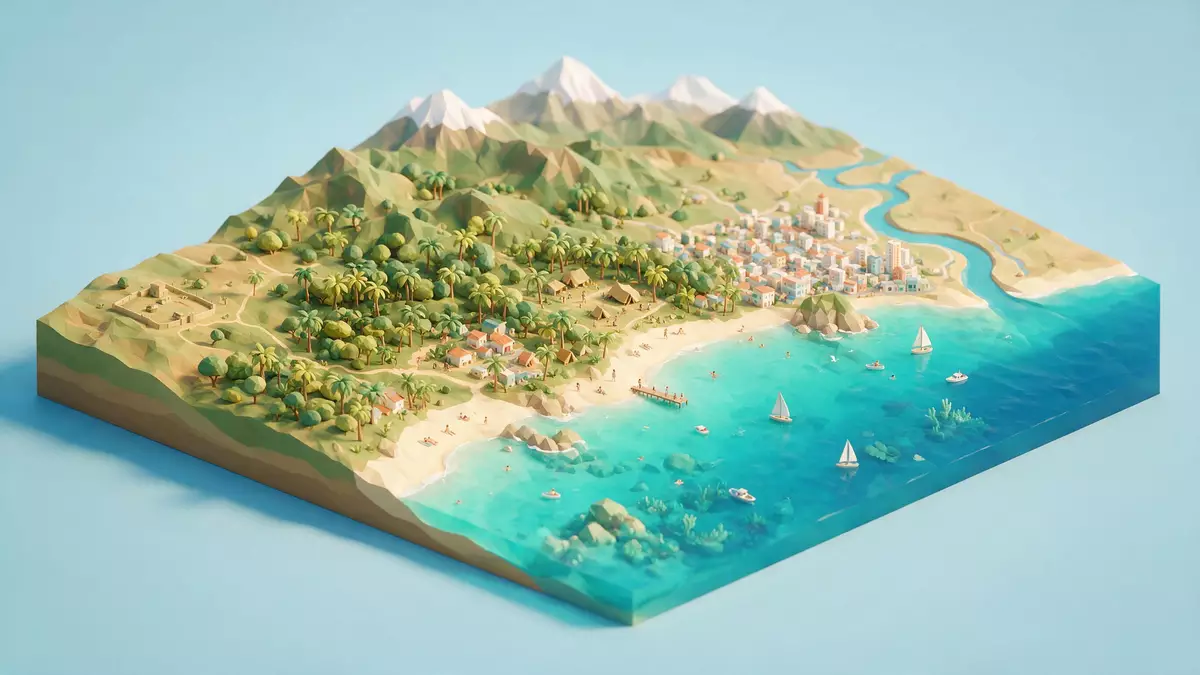
Tayrona National Park will close to visitors from 19 October to 2 November 2026 as the latest Respira Tayrona closure takes place near Santa Marta, Colombia. The protected area will suspend ecotourism services while national parks staff and Indigenous communities carry out environmental, cultural and spiritual activities.
Respira Tayrona closure runs from 19 October 2026
The closure is an announced suspension of access across the park, rather than a restriction affecting one beach or trail. The official park information lists 19 October to 2 November 2026 as the third annual closure period, alongside earlier periods from 1 to 15 February and from 1 to 15 June.
National Parks of Colombia says the closures are agreed with the Kogui, Wiwa, Arhuaco and Kankuamo peoples of the Sierra Nevada de Santa Marta. The programme provides time for the territory to rest and for work connected with restoration, monitoring and environmental education. The authority's official Tayrona information gives the 2026 dates and states that ecotourism services are suspended during them.
Why the October closure matters at Tayrona National Park
The park lies on Colombia's Caribbean coast, where beaches, mangroves, coastal lagoons, coral formations and forested hills meet within one protected landscape. Its official description also identifies dry tropical forest and cloud forest below 1,000 metres, making the closure relevant to several connected ecosystems rather than only the best-known coastal viewpoints.
Tayrona is also part of the Línea Negra, the ancestral territory of the four Indigenous peoples named by the authority. The landscape includes sacred sites linked through cultural and spiritual relationships. That connection explains why the October closure is both a visitor-access measure and a period for conservation and cultural practice. A national parks briefing on Respira Tayrona describes restoration, monitoring and environmental education during the no-visitor periods.
Visiting Tayrona National Park: what travellers from Western Europe should know
- The October closure runs from 19 October to 2 November 2026. Visitors should not plan entry, accommodation or ecotourism services inside the park during that period.
- Access is suspended throughout the protected area during the closure, so the restriction applies beyond individual beaches. The official park page lists the area as open outside the published closure periods, subject to current information from the authority.
- The park is on Colombia's Caribbean coast near Santa Marta. Land access includes routes from Santa Marta towards Bahía Concha, Palangana, Calabazo and Zaino, while maritime access operates from Santa Marta, El Rodadero or Taganga.
- The terrain combines coastal paths, beaches, forest, mangroves and hills. Visitors should remain on marked trails and follow the instructions of park rangers, particularly where swimming areas or routes are restricted.
- Spanish is the official language of Colombia and the national currency is the Colombian peso.
- Entry requirements depend on your nationality; UK travellers can check the FCDO travel advice at gov.uk/foreign-travel-advice, Irish travellers the Department of Foreign Affairs at ireland.ie.
Searching for Tayrona National Park on social platforms
These links open searches for Tayrona National Park on each platform.
Frequently asked questions about Tayrona National Park
When does Respira Tayrona take place at Tayrona National Park?
The next closure runs from 19 October to 2 November 2026. Ecotourism services are suspended throughout that period.
Where is Tayrona National Park and how do you get there?
The park is on Colombia's Caribbean coast near Santa Marta. Travellers can use land routes from Santa Marta or maritime access from Santa Marta, El Rodadero or Taganga.
What is Tayrona National Park?
It is a protected Caribbean landscape containing beaches, forests, mangroves, coastal lagoons and coral formations. It is also part of the ancestral Línea Negra territory of four Indigenous peoples.


