
Teotihuacan’s pyramids, murals and urban axis
Published on 08/22/2026 at 13:48 | Editorial responsibility: Rafael Müller, Editor-in-Chief AD HOC NEWS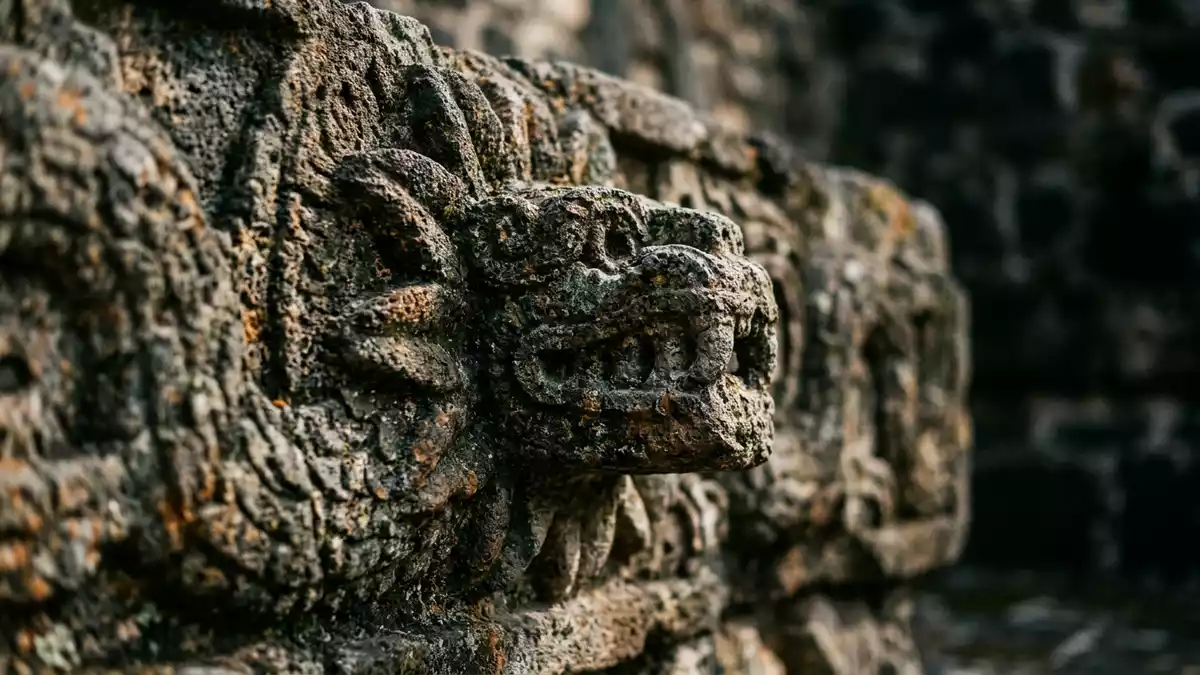
Teotihuacan in San Juan Teotihuacan is an ancient city of broad avenues, stepped pyramids and mural-covered compounds. It lies about 50 km north-east of Mexico City and is a UNESCO World Heritage site.
Teotihuacan’s long ceremonial axis
The city’s main plan is built around the Pyramids of the Sun and Moon and the long route known as the Avenue of the Dead. That formal arrangement gives the site its strongest first impression: broad space, strict alignment and monumental mass.
Teotihuacan was built between the first and seventh centuries AD, and its ruins preserve that scale in stone. The Temple of Quetzalcoatl, the pyramids and the surrounding compounds form a dense urban landscape rather than an isolated monument.
Mural art and domestic quarters
The archaeological zone includes residential compounds such as Tetitla and Atetelco, where mural painting remains part of the site’s character. Quetzalpapálotl and other named complexes show how ceremonial architecture and domestic space sit alongside one another.
The surviving walls, painted surfaces and stone platforms give the place more variety than the pyramids alone suggest. In that contrast, Teotihuacan reads as a city with neighbourhoods, not only as a field of temples.
Teotihuacan as a World Heritage landscape
Teotihuacan entered the World Heritage List in 1987, and its formal designation reflects the reach of the surviving urban layout. The site extends across a landscape of monumental construction, masonry platforms and open processional spaces.
The name itself comes from Nahuatl, and the place has long been associated with the idea of a sacred city. That historical association sits comfortably beside the physical evidence: huge buildings, regular streets and decorated compounds arranged on a civic scale.
Visiting Teotihuacan: what travellers from Western Europe should know
- Teotihuacan lies in San Juan Teotihuacan, north-east of Mexico City. Road access from the capital is the most direct approach.
- The site covers a large archaeological zone with broad walking routes and stone stairways. The pyramids and platform edges call for steady footing.
- The official language is Spanish and the currency is the Mexican peso.
- Entry requirements depend on your nationality; UK travellers can check the FCDO travel advice at gov.uk/foreign-travel-advice, Irish travellers the Department of Foreign Affairs at ireland.ie.
Searching for Teotihuacan on social platforms
These links open searches for Teotihuacan on each platform.
Frequently asked questions about Teotihuacan
Where is Teotihuacan?
Teotihuacan is in San Juan Teotihuacan in the State of Mexico, about 50 km north-east of Mexico City. It is one of the region’s most substantial archaeological sites.
What does a visit involve?
The site presents long walks, high stone platforms and large monumental buildings. The Avenue of the Dead, the pyramids and the residential compounds form the main route through the ruins.
What makes Teotihuacan distinctive?
Its scale, regular planning and surviving mural tradition set it apart as a Mesoamerican city. The pyramids, the ceremonial axis and the named compounds remain readable in the landscape.


