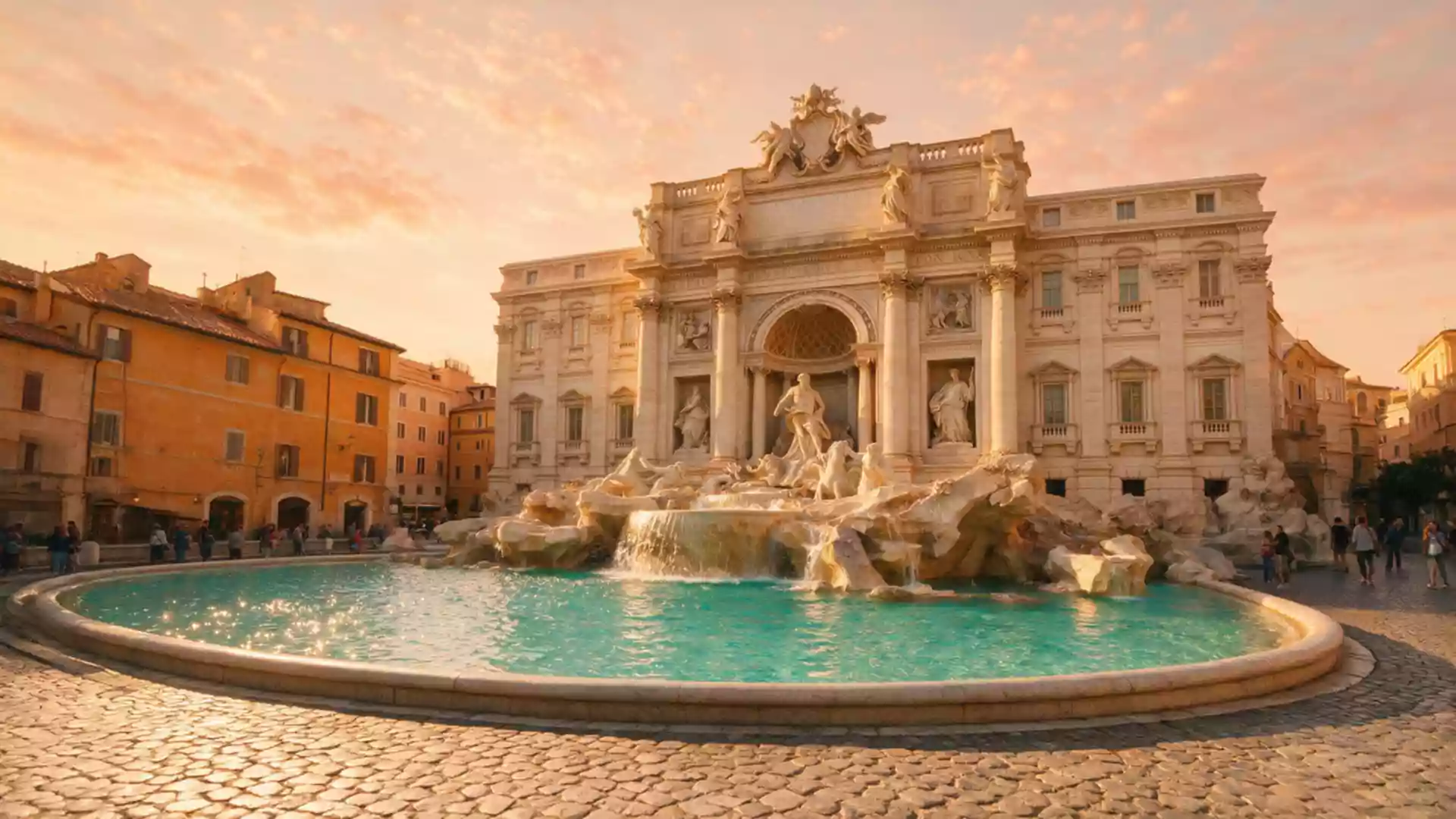
Trevi Fountain changes entry on 9 November in Rome
Published on 10/31/2026 at 18:54 | Editorial responsibility: Rafael Müller, Editor-in-Chief AD HOC NEWSAccess changes and Baroque setting
- Visitors to the monument will find basin entry starting at 2pm on 9 November 2026.
- The delayed access applies to the inner perimeter, while the fountain remains visible from Piazza di Trevi.
- Nicola Salvi designed the fountain after the 1732 competition launched by Pope Clement XII.
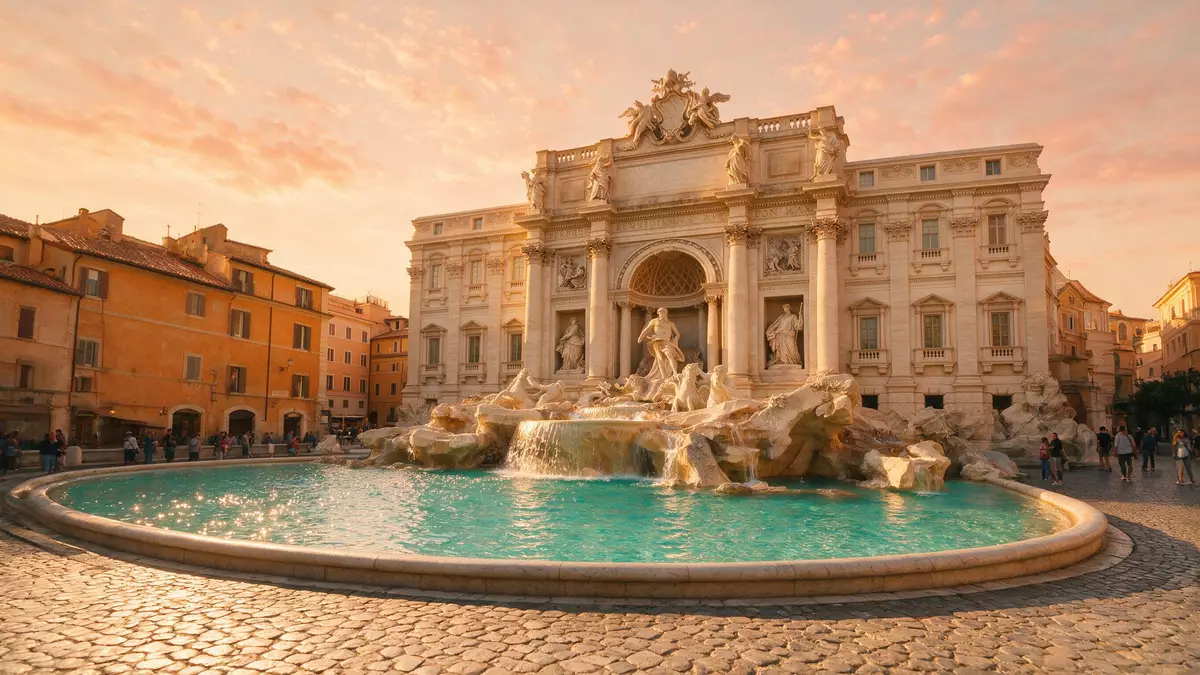
Trevi Fountain changes entry on 9 November 2026 in Rome, with access to its inner perimeter starting at 2pm rather than the usual Monday start. The official site lists the change as a response to maintenance operations or public-order requirements.
Trevi Fountain access changes on 9 November
The adjustment applies on Monday, 9 November 2026, and affects the managed area beside the basin. It does not close Piazza di Trevi, so visitors can still see the monument from the surrounding square before inner-perimeter access begins.
The official access notice for 9 November also lists a later start on 23 November 2026. The notice does not identify a separate public event behind either change, but it places both dates within the site’s published schedule for variable access.
How the November restriction fits the fountain
The fountain stands against Palazzo Poli at the end of the ancient Virgo aqueduct. Rome’s official tourism service describes it as the aqueduct’s terminal point and identifies the monument as one of the city’s major fountains.
Pope Clement XII launched a design competition in 1732, and architect Nicola Salvi’s project was selected. The work was completed by Giuseppe Pannini in 1762, after Salvi’s death, and the composition combines the palace facade with a basin, rockwork and sculptural figures.
The November access change therefore concerns only the close-up visitor route around a monument shaped by an eighteenth-century building project. That distinction matters on 9 November: the delayed entry changes the approach to the water, not the public view across the piazza.
Further historical details, including the 1732 competition and the relationship with Palazzo Poli, appear in Rome’s monument information.
Rome’s basin route has a defined entrance
The controlled area is reached through Via della Stamperia, while the exit is on Via dei Crociferi. The official visitor information says that steps lead into the inner perimeter, making the route different from viewing the fountain at street level.
For travellers from Western Europe, the practical effect is straightforward. A visit planned for the morning of 9 November should remain at piazza level until 2pm, while a later visit can follow the access arrangements published by the operator.
Visiting Trevi Fountain: what travellers from Western Europe should know
- On 9 November 2026, entry to the inner perimeter begins at 2pm; the date and delayed start are listed by the official fountain operator.
- The restriction concerns close access beside the basin, while the view from Piazza di Trevi remains available.
- The entrance is on Via della Stamperia and the exit is on Via dei Crociferi.
- Steps lead into the inner perimeter, so visitors using pushchairs should follow the access-control arrangements described by the operator.
- Rome is in Italy, where Italian is the official language and the national currency is the euro.
Searching for Trevi Fountain on social platforms
These links open searches for Trevi Fountain on each platform.
Frequently asked questions about Trevi Fountain
When does access change at Trevi Fountain?
Inner-perimeter entry starts at 2pm on 9 November 2026. The official notice attributes variable access to maintenance operations or public-order requirements.
Where is Trevi Fountain and how do visitors enter?
The fountain is in Piazza di Trevi in Rome. The controlled entrance is on Via della Stamperia, with the exit on Via dei Crociferi.
What is Trevi Fountain?
It is an eighteenth-century fountain set against Palazzo Poli and supplied by the Virgo aqueduct. Nicola Salvi’s design was selected in 1732, and Giuseppe Pannini completed the work in 1762.