
Wadi Rum and the sandstone valleys of southern Jordan
Published on 09/23/2026 at 00:37 | Editorial responsibility: Rafael Müller, Editor-in-Chief AD HOC NEWS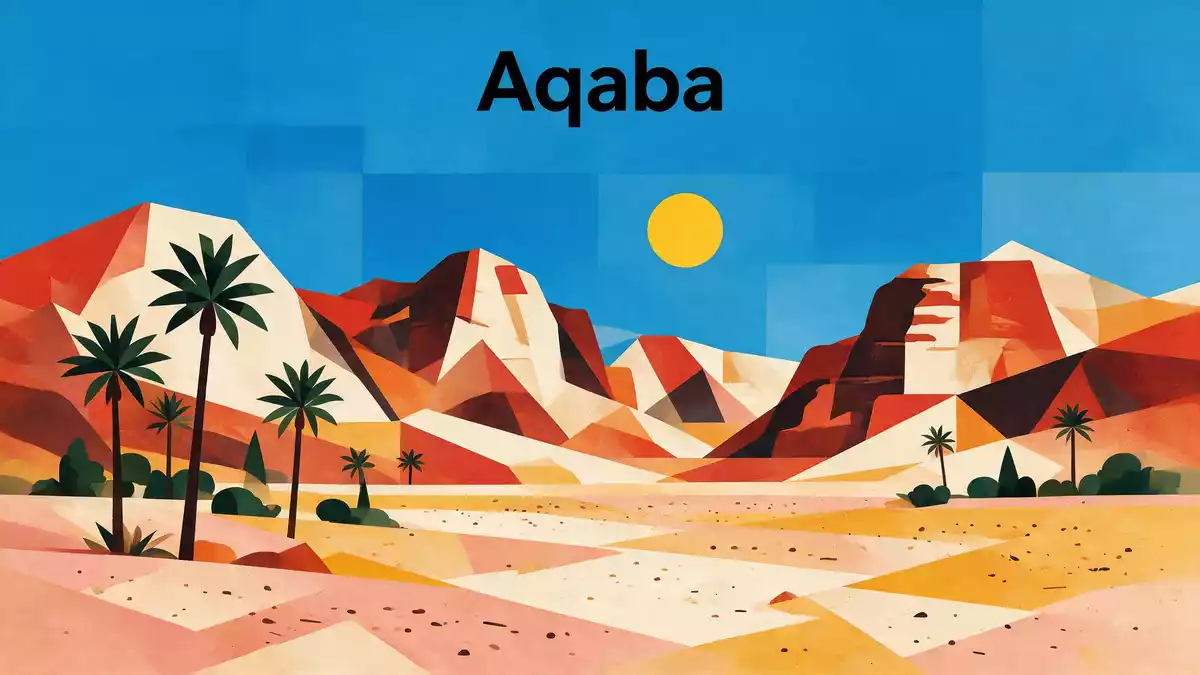
Wadi Rum is a desert landscape in southern Jordan, east of Aqaba and close to the Saudi Arabian border. Broad sandy valleys meet towering sandstone cliffs, while rock art and inscriptions record human activity across twelve thousand years.
Sandstone towers above the Hisma desert
Wadi Rum lies within the Hisma desert, east of the Jordan Rift Valley and south of the central Jordanian plateau. Its broad valleys contain sand, gravel and alluvial deposits, framed by cliffs and isolated mountains.
The landscape is formed from continental sandstone above older Precambrian granitoid rocks. Faults, uplift, weathering and erosion have produced arches, narrow gorges, steep walls and sheltered recesses across the protected area. Wadi Rum’s sandstone landforms express a geological history measured in millions of years.
Rock art and inscriptions across twelve millennia
The cliffs and boulders carry petroglyphs, inscriptions and archaeological remains from successive human communities. These marks include images of people and animals, along with writing that records changing languages and cultural practices.
The protected area contains about 25,000 petroglyphs, 20,000 inscriptions and 154 archaeological sites. Together, they document human occupation and land use across at least 12,000 years, including pastoral, agricultural and urban activity. Wadi Rum’s archaeological record places the desert within a long history of movement, settlement and exchange.
From Nabataean traces to Lawrence of Arabia
Nabataean communities left inscriptions and architectural remains in Wadi Rum, linking the desert to wider routes across the Arabian Peninsula. The evidence includes a Nabataean temple and rock inscriptions associated with caravan movement and religious practice.
T. E. Lawrence passed through Wadi Rum during the Arab Revolt of 1917–1918, and the landscape became associated with his writing and with the film Lawrence of Arabia. Its cultural identity also includes continuing Bedouin traditions, reflected in seasonal movement, desert knowledge and land use. Wadi Rum Protected Area entered the UNESCO World Heritage List in 2011 as a mixed natural and cultural site. Bedouin cultural space forms part of the wider heritage of Petra and Wadi Rum.
Visiting Wadi Rum: what travellers from Western Europe should know
- Wadi Rum lies in southern Jordan, east of Aqaba, within the Hisma desert. Road access from Aqaba reaches the protected area through the desert settlement associated with Wadi Rum Village.
- The terrain combines wide sandy valleys with rock faces, narrow gorges, boulder fields and steep mountain slopes. Reaching rock art and elevated viewpoints can involve uneven ground, sand and exposed terrain.
- The official language is Arabic and the currency is the Jordanian dinar.
- Entry requirements depend on your nationality; UK travellers can check the FCDO travel advice at gov.uk/foreign-travel-advice, Irish travellers the Department of Foreign Affairs at ireland.ie.
- Conditions on the mountain change with the seasons; the local cable-car operators and alpine clubs provide information.
Searching for Wadi Rum on social platforms
These links open searches for Wadi Rum on each platform.Frequently asked questions about Wadi Rum
Where is Wadi Rum?
Wadi Rum is in southern Jordan, east of Aqaba and near the border with Saudi Arabia. It forms part of the Hisma desert and the Wadi Rum Protected Area.
What can visitors expect in Wadi Rum?
The landscape includes sandy valleys, sandstone cliffs, rock arches, gorges and archaeological remains. The terrain is open and uneven, with access involving desert tracks and rocky ground.
What makes Wadi Rum distinctive?
Sandstone landforms and a vast record of petroglyphs and inscriptions exist within the same protected landscape. UNESCO inscribed Wadi Rum as a mixed natural and cultural World Heritage site in 2011.


