
Wat Si Saket in Vientiane and its cloister of Buddhas
Published on 09/09/2026 at 15:28 | Editorial responsibility: Rafael Müller, Editor-in-Chief AD HOC NEWS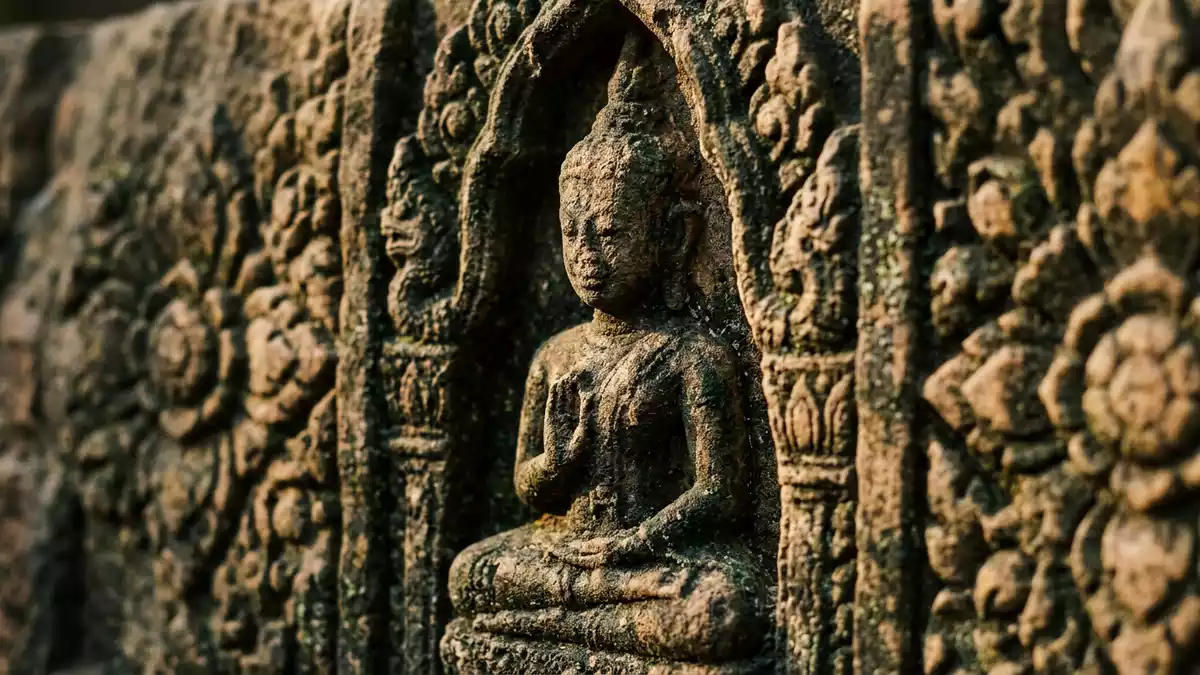
Wat Si Saket in central Vientiane is an early nineteenth?century Buddhist monastery where cloister walls lined with Buddha images turn a compact temple compound into a dense record of devotion. Built under King Anouvong during the final years of the Lao kingdom of Vientiane, it is widely regarded as the city’s oldest surviving wat and retains much of its early nineteenth?century layout.
The oldest surviving wat of Vientiane
Wat Si Saket stands on Lan Xang Road in the historic centre of Vientiane, close to the Presidential Palace and directly opposite Haw Phra Kaew, the former royal temple that once housed the Emerald Buddha.Lan Xang Road location The monastery is generally described as the oldest surviving Buddhist temple in the capital, with construction commissioned by King Anouvong around 1818 in the last phase of the Lan Xang polity.commissioned by King Anouvong
Unlike many other religious buildings in Vientiane, Wat Si Saket kept its original early nineteenth?century structure through the upheavals that damaged the city in the late 1820s, which makes its fabric an important reference point for the period.retains its original structure The main temple buildings stand within a walled compound that still reads as part of Vientiane’s ceremonial spine, with state buildings and former royal sites lying along the same axis.
Cloister walls of thousands of Buddha images
The most striking feature of Wat Si Saket is the cloister that runs around the central ordination hall, its inner walls packed with recesses and shelves holding Buddha figures of many sizes and materials.cloister with Buddha images Small niches in the masonry contain pairs of tiny Buddha images, while larger statues sit in front of the wall, creating multiple layers of sculptural presence along each side of the cloister.
The figures span several centuries of Lao Buddhist art, with many dating back well before the temple’s own construction and others reflecting the styles current at the beginning of the nineteenth century.figures from different periods Together they lend the cloister a museum?like character while the monastery still functions as a Theravada religious site where monks and novices live and practise.
Siamese?influenced architecture in a Lao monastery
Architecturally, Wat Si Saket stands out in Vientiane for the way its main ordination hall and surrounding terrace follow a plan more often associated with Siamese wats of the same era.Siamese design elements The hall rises from a platform encircled by a covered gallery, while the roof stacks in multiple tiers with extended eaves, an arrangement closely aligned with contemporary temple design across the Mekong.
Inside the ordination hall, painted scenes from the jataka tales run along the upper walls, linking narrative depictions of the Buddha’s past lives with the sculptural presence of the figures in the cloister outside.jataka paintings The combination of Siamese?influenced architecture, Lao devotional sculpture and narrative painting makes Wat Si Saket a compact study in regional Buddhist art of the nineteenth century.
Visiting Wat Si Saket: what travellers from Western Europe should know
- Wat Si Saket stands on Lan Xang Road in central Vientiane, opposite Haw Phra Kaew and near the Presidential Palace, along one of the city’s main ceremonial avenues.
- The compound is enclosed by walls, with access into a cloister that encircles the main hall; visitors move along covered walks with steps at several points.
- The ground inside the monastery is level and paved in most areas, though some paths cross shaded garden plots between the outer cloister and inner buildings.
- The official language is Lao and the currency is the Lao kip.
- Entry requirements depend on your nationality; UK travellers can check the FCDO travel advice at gov.uk/foreign-travel-advice, Irish travellers the Department of Foreign Affairs at ireland.ie.
Searching for Wat Si Saket on social platforms
These links open searches for Wat Si Saket on each platform.
Frequently asked questions about Wat Si Saket
Where is Wat Si Saket located in Vientiane?
Wat Si Saket stands on Lan Xang Road in central Vientiane, opposite Haw Phra Kaew and near the Presidential Palace within the historic administrative core.
What can visitors expect when entering the monastery compound?
Visitors step through the outer wall into a cloister that encircles the main ordination hall, with shaded walks lined by countless Buddha figures and garden plots between buildings.
What makes Wat Si Saket distinctive among Vientiane’s temples?
Its combination of early nineteenth?century Siamese?influenced architecture, survival as the oldest wat in the city and cloister walls carrying thousands of Buddha images makes it distinctive.


