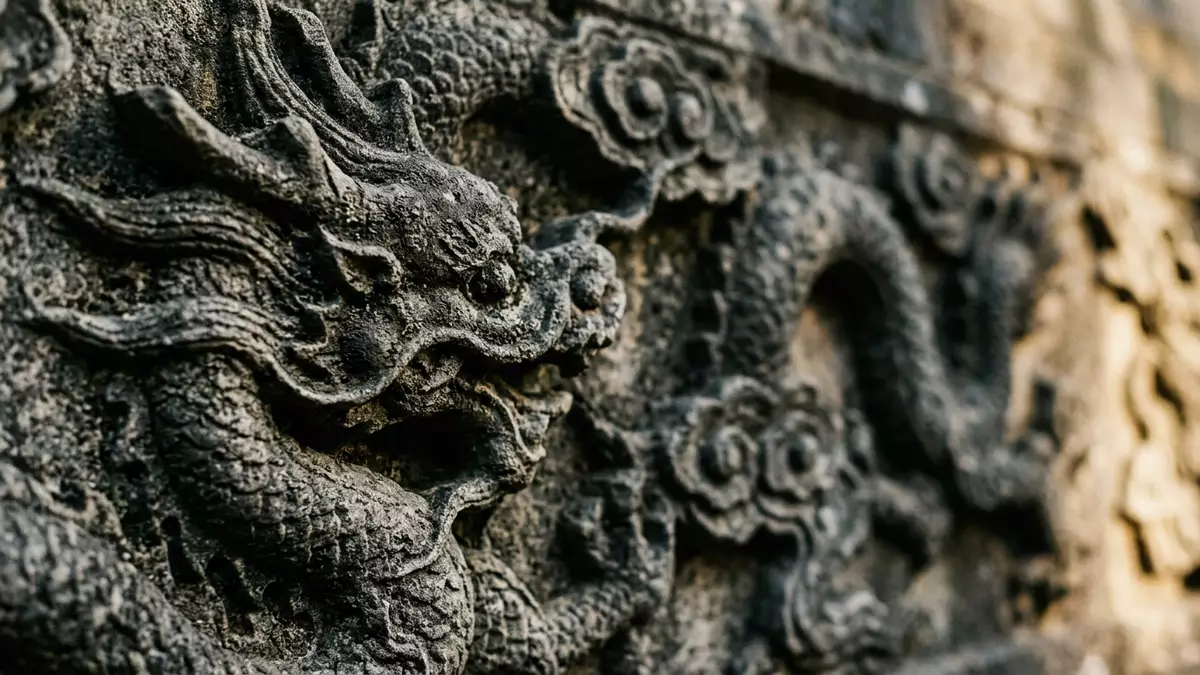
Wudang Shan and its temple ridge above Shiyan
Published on 08/11/2026 at 15:15 | Editorial responsibility: Rafael Müller, Editor-in-Chief AD HOC NEWS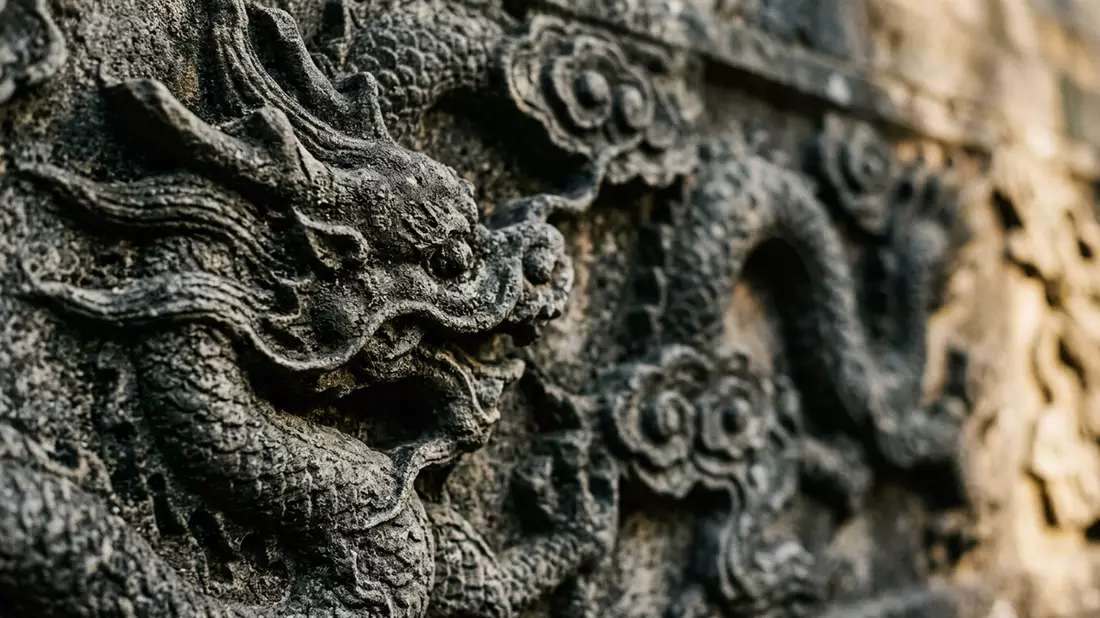
Wudang Shan rises above Shiyan as a mountain landscape of temples, halls and stone paths linked to Daoist tradition. Its ridges carry some of the best-known religious architecture in central China, with the Golden Hall and many monasteries set into the slopes.
Daoist mountain and imperial patronage
Wudang Shan is strongly associated with Daoism, especially the cult of Zhenwu, the Dark Emperor. The mountain gained major imperial support in the early Ming period, when the Yongle Emperor ordered large-scale temple works across the site.
That association gave Wudang Shan a layered character: a sacred mountain, an imperial project and a living religious landscape. The surviving temples preserve timber halls, glazed roofs and courtyards set among steep wooded terrain.
Temples, halls and mountain routes
The most familiar image of Wudang Shan is not a single monument but a chain of buildings spread along the mountain. The Golden Hall on Tianzhu Peak is among the best-known structures, and the Purple Cloud Temple is another important stop.
Many visitors encounter Wudang Shan through stairways, ridge paths and temple terraces rather than through one enclosed complex. The setting brings together masonry, timber and rock in a way that gives the mountain its distinctive rhythm.
Daoist practice and martial associations
Wudang Shan also carries a strong association with martial arts, especially styles linked in popular memory to internal training and Daoist cultivation. That connection belongs to the mountain’s wider cultural life, alongside its temples and pilgrimage routes.
The site’s religious and martial reputations sit beside one another without merging into a single story. Temples, statues, incense burners and mountain paths remain the most visible elements, while the later cultural associations add another layer to its meaning.
Visiting Wudang Shan: what travellers from Western Europe should know
- Wudang Shan is reached from Shiyan by road, with access to the mountain area and its temple circuit from the city.
- Admission arrangements and opening hours are set by the site's operator and change with the season; the official website is the only binding source.
- Late spring and autumn suit the mountain’s wooded slopes and clearer views, while winter can bring colder conditions at higher levels.
- The site involves steps, uneven stone paths and altitude, so comfortable footwear matters for the mountain trails and temple climbs.
- Payment is commonly handled with local digital systems, while some smaller services may prefer cash; simple politeness and respect in temples are appreciated.
- Entry requirements depend on your nationality. UK travellers should check the FCDO travel advice at gov.uk/foreign-travel-advice; Irish travellers the Department of Foreign Affairs at ireland.ie; EU and EEA citizens their own national foreign ministry.
Searching for Wudang Shan on social platforms
These links open searches for Wudang Shan on each platform.
Frequently asked questions about Wudang Shan
Where is Wudang Shan?
Wudang Shan lies in Shiyan in Hubei province, in central China. It is a mountain range with temples spread across its slopes and ridges.
What should visitors expect?
Expect stairways, temple compounds and mountain paths, often with significant changes in level. The site rewards unhurried walking and basic fitness.
What makes Wudang Shan distinctive?
Its combination of Daoist sacred architecture, Ming imperial patronage and a mountain setting gives it a strong historical identity. The Golden Hall and other temples make that identity visible across the slopes.