
Wudang Shan: Taoist architecture across sacred mountain slopes
Published on 09/23/2026 at 11:38 | Editorial responsibility: Rafael Müller, Editor-in-Chief AD HOC NEWS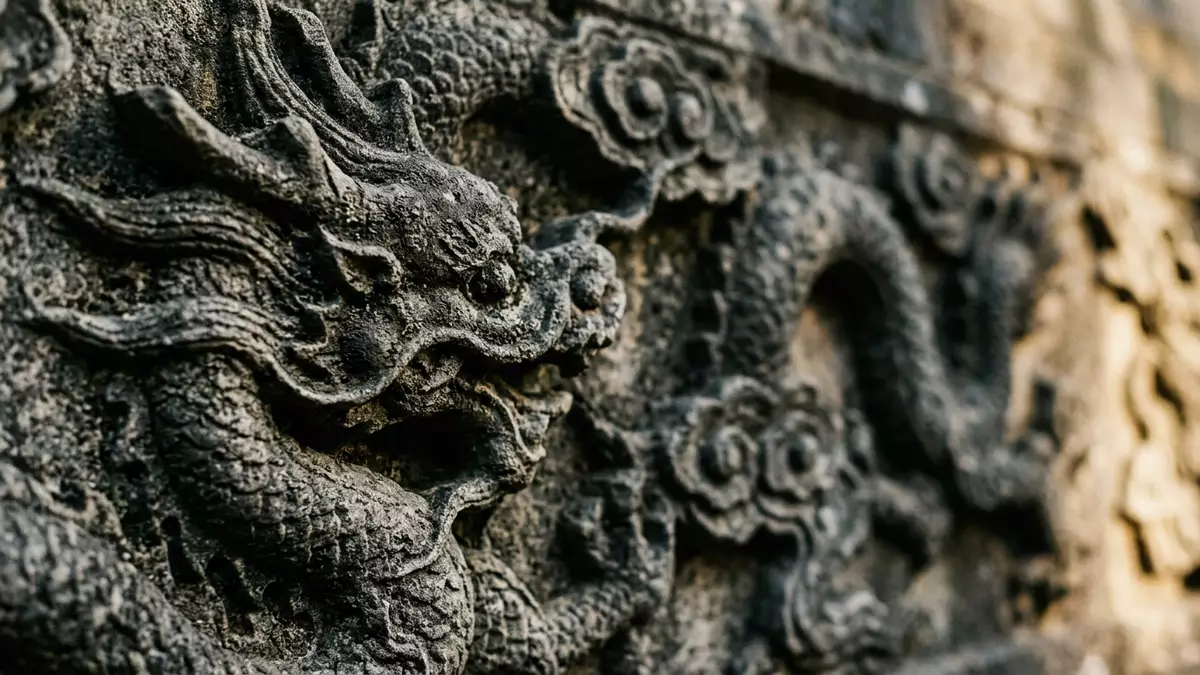
Wudang Shan rises above Shiyan as a mountain landscape marked by Taoist palaces, temples, gateways and steep stone paths. Its buildings extend across valleys, ledges and ridges, creating a visible connection between rugged terrain and carefully arranged architecture.
Wudang Shan’s temples spread across the mountains
Wudang Shan lies in north-western Hubei, near the city of Shiyan. The mountain is associated with Taoism, and its historic buildings form the Ancient Building Complex in the Wudang Mountains, a cultural World Heritage site inscribed in 1994.
The complex includes the Ancient Building Complex, with palaces and temples placed among mountain slopes and valleys. The surviving ensemble includes Taihe Palace, the Golden Hall, Zixiao Palace, Nanyan Palace, Yuzhen Palace, Yuxu Palace and Fuzhen Temple.
From Tang foundations to Ming imperial architecture
Religious activity on Wudang Shan reaches back to the Tang dynasty, which ruled from 618 to 907. The earliest surviving history of the complex is connected with Taoist worship and buildings established during that period.
The mountain’s largest architectural development belongs to the Ming dynasty, which ruled from 1368 to 1644. The organised complex contains buildings from the seventh century and later structures from the Ming period, including palaces, temples, shrines, bridges and gateways. Ming-period construction gives the landscape its enduring architectural character.
Stone paths, ridges and the Golden Hall
The buildings do not form a single compact town. They appear across the mountain landscape, with stone paths connecting temples, terraces and gateways. Some structures occupy narrow ledges, while others stand in valleys or on broader mountain platforms.
At the summit area, Taihe Palace and the Golden Hall form the best-known high-level group. The Golden Hall is a metal structure associated with the worship of the Taoist deity Zhenwu. Lower on the mountain, Zixiao Palace presents a larger temple complex with courtyards, halls and traditional rooflines.
Nanyan Palace occupies a cliffside setting, while Xuanyue Gate marks an approach into the historic mountain area. The result is a sequence of architectural spaces rather than a single monument. Taoist temples and palaces remain distributed along the slopes and ridges.
Visiting Wudang Shan: what travellers from Western Europe should know
- Wudang Shan lies near Shiyan in Hubei Province. The mountain area is reached from Shiyan by road, with local transport serving the scenic area.
- The landscape includes steep slopes, stone steps, ridges and cliffside paths. A visit involves walking across uneven mountain terrain.
- The Golden Hall and Taihe Palace are located in the summit area, while Zixiao Palace and Nanyan Palace occupy lower mountain settings.
- The official language is Mandarin Chinese and the currency is the Chinese yuan.
- Entry requirements depend on your nationality; UK travellers can check the FCDO travel advice at gov.uk/foreign-travel-advice, Irish travellers the Department of Foreign Affairs at ireland.ie.
Searching for Wudang Shan on social platforms
These links open searches for Wudang Shan on each platform.Frequently asked questions about Wudang Shan
Where is Wudang Shan?
Wudang Shan is in north-western Hubei Province, near Shiyan in central China. The mountain area contains Taoist temples, palaces and historic paths.
What can visitors expect on Wudang Shan?
Visitors encounter steep mountain terrain, stone steps, ridges, valleys and historic buildings distributed across the slopes. The Golden Hall, Taihe Palace, Zixiao Palace and Nanyan Palace are key sites.
What makes Wudang Shan distinctive?
Its historic architecture is spread through a mountain landscape rather than concentrated in one urban compound. The complex combines Tang origins, Ming-period buildings and a continuing Taoist identity.


